


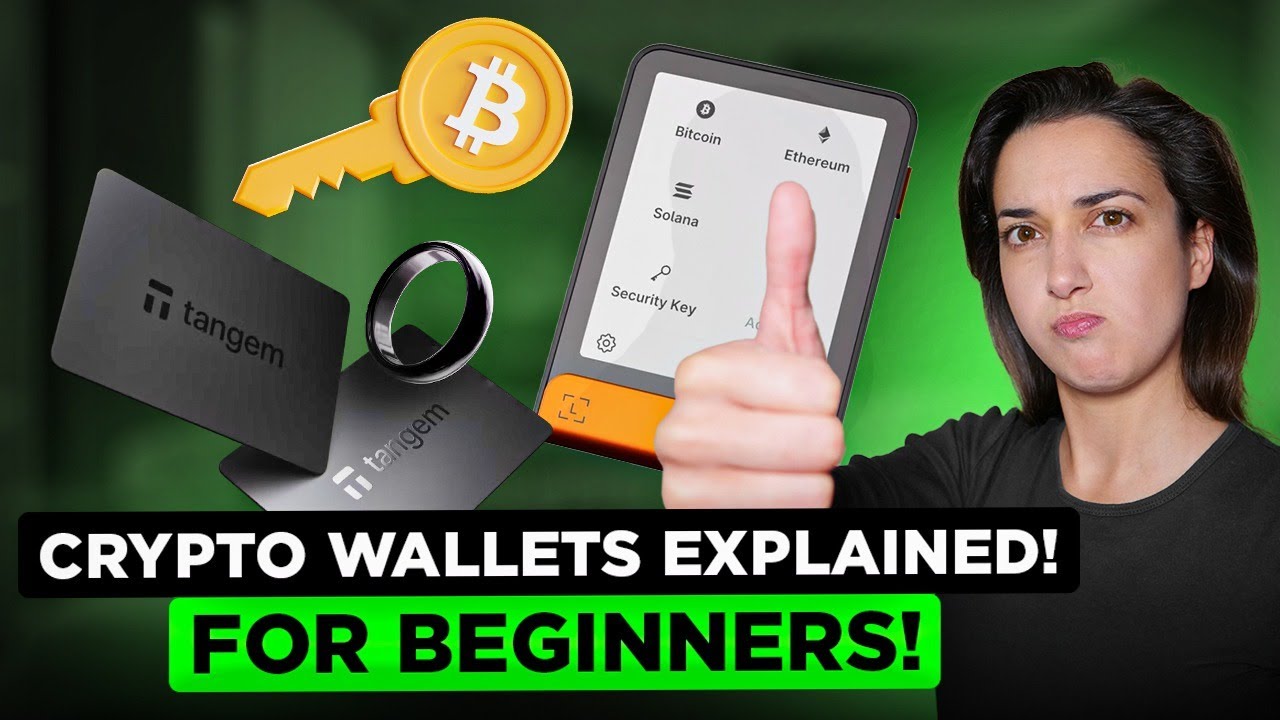
Selecting the best crypto wallets for beginners represents one of the most important decisions you’ll make as you enter the cryptocurrency space. With thousands of digital wallet options available, each offering different features, security levels, and user experiences, new investors often feel overwhelmed trying to determine which solution best fits their needs. The difference between choosing a secure, reliable wallet for cryptocurrency beginners and selecting an inferior option can literally mean the difference between safely growing your digital assets and losing them to hacks, scams, or user error.
This comprehensive guide explores the top cryptocurrency wallets for beginners, examining their strengths, weaknesses, security features, and suitability for different use cases. Whether you’re interested in hardware wallets offering maximum security, mobile wallets providing convenience, desktop wallets balancing both factors, or exchange wallets for frequent trading, this article will help you understand each option thoroughly. By understanding the critical differences between wallet types and evaluating specific platforms, you’ll be equipped to choose the best beginner-friendly crypto wallet that aligns with your specific needs, budget, and investment strategy.
Cryptocurrency Wallets: The Foundation
What Is a Cryptocurrency Wallet?
Before exploring the best crypto wallets for beginners, understanding what a cryptocurrency wallet actually is proves essential. Contrary to what the name suggests, a crypto wallet doesn’t store actual cryptocurrency. Instead, it stores the cryptographic keys—specifically the private and public keys—that grant you access to and control over your digital assets. Your private key functions as a password that authorizes transactions, while your public key operates like your bank account number that others use to send you cryptocurrency.
When you use the best wallet for crypto beginners, you’re using software or a hardware device that secures these keys and manages your transactions with the blockchain. The wallet interfaces with blockchain networks to show your balance, allow you to send and receive assets, and maintain transaction history. This distinction matters because it explains why losing access to your wallet means losing access to your cryptocurrency—the assets aren’t actually stored in the wallet but rather on the blockchain, and your keys are what prove ownership. For anyone beginning their cryptocurrency security journey, understanding this fundamental concept shapes every subsequent decision about wallet selection and usage.
The Critical Importance of Private Key Security
The cornerstone of choosing secure crypto wallets for beginners involves understanding private key security. Your private key is essentially the master password to your cryptocurrency. Whoever possesses it can access and transfer your assets; whoever doesn’t possess it cannot. This creates a fundamental security principle: the safest wallet is the one where only you control your private keys. When a wallet company or exchange controls your private keys, they technically own your cryptocurrency, and you’re trusting them to keep it safe and accessible.
This distinction between self-custody (where you control keys) and custodial wallets (where institutions control keys) defines the entire beginner crypto wallet landscape. Custodial solutions like exchange wallets offer convenience and customer support but require trusting a third party. Self-custody solutions give you complete control and security but place responsibility for key management on you. For beginners exploring safe cryptocurrency wallets, understanding this trade-off is fundamental to making an informed choice aligned with your priorities.
Types of Cryptocurrency Wallets Explained
Hardware Wallets: Maximum Security
Hardware wallets represent the gold standard for best wallets for cryptocurrency security, particularly for beginners intending to hold substantial amounts long-term. These physical devices, typically resembling USB drives, store your private keys completely offline in secure hardware that’s designed to resist tampering and hacking. When you use a hardware wallet for crypto beginners, your keys never connect to the internet, eliminating the primary attack vector that compromises software wallets.
Leading hardware wallet options include Ledger (the most popular choice with models like Ledger Nano S Plus and Ledger Nano X) and Trezor (known for exceptional security and user-friendliness). Both companies have earned excellent reputations maintaining security for years with no significant breaches. When you store cryptocurrency using these devices, you’re using military-grade security principles: your private keys remain offline, transactions are verified on the device’s screen before confirmation, and even if your computer is compromised, hackers cannot access your keys.
The trade-offs with hardware wallets for crypto involve cost (typically $50-150) and convenience (requiring the physical device to approve transactions). However, for anyone storing substantial cryptocurrency amounts, these drawbacks are minor compared to the security benefits. A beginner crypto wallet purchase becomes an investment protecting potentially thousands of dollars in digital assets. For beginners wondering “which crypto wallet is safest,” hardware wallets consistently provide the answer.
Mobile Wallets: Convenience and Accessibility
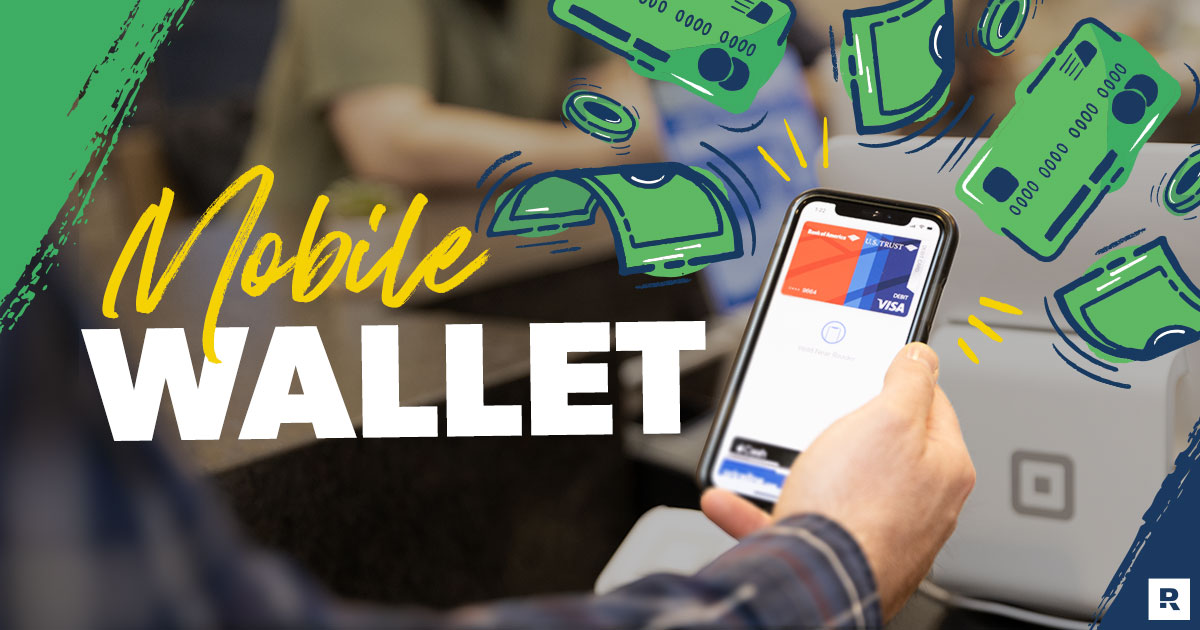
Mobile wallets installed on smartphones offer significant advantages for crypto wallets for beginners, particularly those wanting accessibility and ease of use. These apps store your private keys on your phone and allow you to send and receive cryptocurrency from anywhere, checking your balance instantly and conducting transactions quickly. Popular mobile cryptocurrency wallets include Trust Wallet (user-friendly with extensive coin support), MetaMask (excellent for interacting with blockchain applications), and Coinbase Wallet (integrated with the exchange platform).
When evaluating best beginner crypto wallets for mobile use, the convenience advantage is substantial. You can pay someone using cryptocurrency as easily as transferring money through a payment app, and your wallet travels with you everywhere. Mobile wallet options for cryptocurrency continue improving, with most offering excellent user interfaces designed specifically for beginners. However, the security trade-off matters: your phone connects to the internet, making mobile wallets more vulnerable to malware, hacking attempts, and accidental exposure of private keys than offline hardware solutions.
The practical approach for many beginners using mobile cryptocurrency wallets involves keeping only spending money on the phone while storing larger amounts in hardware wallets. This strategy balances the convenience of mobile access with the security of offline storage. For someone asking “what’s the best wallet for cryptocurrency beginners,” the answer often depends on whether they prioritize convenience or security more heavily.
Desktop Wallets: Balance Between Security and Function
Desktop wallets installed on computers offer a middle ground between the security of hardware wallets and the convenience of mobile solutions. These applications store private keys on your computer, allowing you to conduct transactions while maintaining more control than exchange wallets provide. Popular desktop cryptocurrency wallets include Electrum (lightweight Bitcoin wallet), Exodus (beautiful interface supporting many coins), and Atomic Wallet (supporting a vast array of cryptocurrencies).
For beginners researching the best crypto wallet for beginners desktop option, the appeal includes substantial functionality without requiring hardware purchases. Desktop wallet solutions for crypto often support more features than mobile versions, including advanced security options like multi-signature requirements. However, security depends heavily on your computer’s security—malware infections, keylogging, or remote access viruses could compromise private keys stored on vulnerable machines.
Understanding cryptocurrency wallet security at the desktop level means recognizing that your computer’s overall security matters as much as wallet software quality. If your computer lacks updated antivirus protection, runs outdated operating systems, or visits suspicious websites, your desktop crypto wallet is vulnerable regardless of the software’s quality. For technically-minded beginners comfortable managing computer security, desktop wallets represent an excellent option for cryptocurrency storage balancing ease of use with legitimate security.
Exchange Wallets: Convenience With Trade-Offs
Exchange wallets are accounts on cryptocurrency trading platforms like Coinbase, Kraken, or Binance that hold your cryptocurrency for you. When you buy Bitcoin or Ethereum on these platforms, the exchange holds your assets and controls the private keys. For complete beginners, exchange wallets for cryptocurrency offer significant advantages: they’re simple to set up, integrate directly with buying and selling functionality, provide customer support if problems occur, and often include insurance protection.
However, exchange wallets involve important trade-offs that anyone exploring the best crypto wallet solutions for beginners must understand. By keeping cryptocurrency on exchanges, you’re trusting those companies with your assets. While reputable exchanges employ excellent security measures, they represent centralized targets that attract hackers. Additionally, exchange outages can prevent access to your funds, and regulatory actions could temporarily freeze accounts. The popular saying in cryptocurrency circles—“not your keys, not your coins”—captures this reality: if an exchange controls your private keys, you don’t have complete ownership of your cryptocurrency.
For beginners starting their cryptocurrency wallet journey, exchange wallets often make sense as an initial step. They’re convenient for learning, buying, and selling. However, as your holdings grow or your cryptocurrency commitment deepens, moving substantial amounts to personal crypto wallets where you control the keys provides greater security and aligns with cryptocurrency’s fundamental philosophy of financial independence.
Detailed Reviews of the Best Crypto Wallets for Beginners
Ledger Nano S Plus: The Gold Standard Hardware Wallet
When researching the best crypto wallets for beginners concerned with security, Ledger Nano S Plus emerges as the top choice for most new investors. This hardware wallet combines exceptional security with user-friendly design and reasonable pricing around $79. The device stores private keys in a secure chip that cryptographically signs transactions without ever exposing the keys, even to your computer. This design ensures that even if your computer is completely compromised, your cryptocurrency remains safe.
The Ledger Nano S Plus wallet supports over 5,500 cryptocurrencies and tokens, meaning you can store virtually any digital asset you acquire. Setup involves downloading the Ledger Live application, creating a PIN code, and writing down your 24-word recovery seed phrase. This recovery phrase acts as a backup—if your device is lost or damaged, you can restore access using any Ledger device or compatible wallet. For beginners wondering about the safest crypto wallet for long-term holdings, Ledger’s track record of security over many years and millions of users provides compelling evidence.
The main drawback involves the learning curve for complete beginners unfamiliar with hardware wallet concepts. Additionally, the upfront cost might discourage those starting with minimal investments. However, anyone planning to accumulate cryptocurrency worth more than a few hundred dollars will quickly recoup the hardware wallet investment through avoided security risks.
Coinbase Wallet: Best Beginner-Friendly Mobile Wallet
For beginners prioritizing ease of use and wanting to start immediately without hardware purchases, Coinbase Wallet represents the best cryptocurrency wallet for beginners seeking mobile convenience. This application integrates seamlessly with Coinbase’s exchange platform, allowing users to fund their wallet by purchasing cryptocurrency directly. The interface is exceptionally clean and intuitive, with clear buttons for sending, receiving, and checking balances.
Coinbase Wallet for crypto beginners offers an important distinction from Coinbase’s exchange: you can enable self-custody, meaning you control your private keys rather than letting Coinbase hold them. This feature, called “Recovery Phrase,” provides the security benefits of personal wallets while maintaining the simplicity Coinbase is known for. The wallet supports thousands of tokens and seamlessly integrates with decentralized applications, making it excellent for beginners wanting to explore blockchain applications beyond simple buying and holding.
The Coinbase wallet option includes backup and recovery features that are beginner-friendly, helping you understand and safely store your recovery phrase. Customer support is available if you encounter issues. The main limitation involves transaction fees and the fact that while self-custody is available, many beginners leave assets on the Coinbase exchange for convenience, reducing security benefits. Still, for an introductory wallet, Coinbase Wallet represents an excellent choice for beginners wanting convenience without completely sacrificing security principles.
Trust Wallet: Versatile Mobile Solution for Diverse Assets
Trust Wallet, owned by Binance, represents another excellent mobile wallet option for cryptocurrency beginners. This open-source wallet supports an extensive range of cryptocurrencies and tokens across multiple blockchains, making it ideal for beginners interested in exploring diverse digital assets. The wallet is lightweight, fast, and operates entirely on your phone with no cloud backups, meaning you maintain complete control of your private keys.
When evaluating Trust Wallet as a beginner crypto wallet, the standout feature is its integration with decentralized exchanges and blockchain applications. Beginners interested in exploring DeFi (decentralized finance) or using blockchain-based applications find Trust Wallet invaluable. The interface, while less polished than Coinbase Wallet, is still quite intuitive for beginners. Security features include the ability to require biometric authentication (fingerprint or face recognition) before confirming transactions.
The trade-off involves reduced customer support compared to Coinbase—Trust Wallet is primarily a self-service solution. For beginners confident in managing their recovery phrase and troubleshooting issues independently, this represents no meaningful disadvantage. For those preferring hand-holding and customer support, Coinbase Wallet might be better suited. Trust Wallet’s strength lies in versatility and genuine ownership, making it an excellent all-around beginner wallet for those wanting to explore cryptocurrency comprehensively.
MetaMask: Essential for Blockchain Exploration

MetaMask deserves special attention in any discussion of the best crypto wallets for beginners interested in blockchain applications and decentralized finance. This browser extension and mobile app allows interaction with Ethereum and other blockchain applications, enabling users to connect to decentralized exchanges, lending protocols, NFT marketplaces, and other Web3 applications. For beginners curious about cryptocurrency beyond simple buying and holding, MetaMask opens doors to exploring this expanding ecosystem.
The MetaMask wallet for crypto beginners excels at simplifying interactions with blockchain applications. Rather than manually managing complex addresses and transactions, MetaMask handles the technical details while keeping you in control through private key management. The wallet integrates directly with popular browsers and connects seamlessly to thousands of decentralized applications. Setup is straightforward—install the extension, create a password, and store your recovery phrase.
However, MetaMask’s learning curve steepens when engaging with decentralized applications. Transaction fees (gas fees) must be understood, and the array of applications can overwhelm beginners. Additionally, MetaMask’s security depends entirely on your computer’s security and your personal vigilance—there’s no customer support to recover funds from mistakes or hacks. For beginner wallet selection, MetaMask is best considered a secondary wallet alongside a simpler primary solution, enabling exploration once you’ve established foundations with basic transactions.
Trezor One: Premium Security With Simplicity
Trezor One stands as an alternative to Ledger for beginners seeking the best hardware wallet without the Ledger ecosystem. At approximately $99, it’s slightly more expensive than Ledger Nano S Plus but widely regarded as offering superior user experience and education. The device’s security approach mirrors Ledger’s—private keys never leave the device, transactions require physical confirmation, and a recovery phrase enables restoration if the device is lost.
What distinguishes Trezor as a beginner hardware wallet is its focus on simplicity and education. The Trezor interface guides users through setup and operations with crystal clarity. The device includes excellent educational resources explaining cryptocurrency concepts and security principles. For beginners approaching hardware wallets, this pedagogical focus makes Trezor an excellent wallet choice for learning while securing assets.
The Trezor ecosystem is smaller than Ledger’s, supporting fewer cryptocurrencies, which could be limiting for users wanting diverse holdings. Additionally, the slightly higher price point might deter budget-conscious beginners. However, for those viewing wallet selection as a learning investment rather than a pure security purchase, Trezor One offers outstanding value as the best beginner hardware wallet emphasizing education.
Choosing Your Best Crypto Wallet
Assessing Your Usage Patterns
Identifying the best crypto wallet for your specific situation requires honest assessment of your anticipated usage patterns. If you plan to hold cryptocurrency long-term without frequent transactions, a hardware wallet offers superior security justifying the cost and inconvenience. If you’re a beginner wanting to learn through frequent transactions, experimentation, and exploration of different cryptocurrencies, a mobile or desktop wallet provides more practical functionality.
The decision between various crypto wallets for beginners becomes clearer when you answer specific questions: How much cryptocurrency do you plan to hold? How frequently will you transact? Are you interested in exploring blockchain applications or simply holding Bitcoin and Ethereum? Do you prefer maximum security or maximum convenience? Do you have technical confidence managing security independently? Your answers guide wallet selection, helping you choose from the available options rather than forcing yourself into an unsuitable solution.
Evaluating Security Versus Convenience Trade-offs
Understanding the security features in cryptocurrency wallets means recognizing that perfect security often sacrifices convenience, while maximum convenience reduces security. Hardware wallets are maximally secure but require the physical device for every transaction. Mobile wallets are highly convenient but store keys on internet-connected devices. Exchange wallets offer maximum convenience but require trusting institutions. For beginners, the optimal choice often involves layered security: holding most assets in a secure hardware wallet while maintaining smaller amounts in a mobile wallet for convenient spending.
This tiered wallet approach lets you balance security and convenience practically. When exploring the best crypto wallets for beginners, recognize that you don’t need to choose one option forever. Many experienced investors maintain multiple wallets, using each for specific purposes. Starting with one option and expanding your setup as your cryptocurrency knowledge grows represents a practical approach.
Considering Your Budget Constraints
For beginners with limited budgets, hardware wallets’ upfront cost ($50-150) might seem prohibitive. In this case, free mobile wallets like Trust Wallet or Coinbase Wallet offer excellent security and functionality without investment. However, recognizing that a hardware wallet typically costs less than the cryptocurrency losses many beginners experience through hacks or mistakes provides perspective. A $79 hardware wallet protecting $5,000 in cryptocurrency represents outstanding value.
The budget consideration also applies to transaction fees. Some wallets charge fees for transactions, while others don’t (though blockchain networks always charge fees called “gas fees”). Exchange wallets sometimes charge higher fees than self-custody wallets. As your cryptocurrency holdings grow, fee differences compound significantly. When choosing your best crypto wallet, consider both the wallet cost and ongoing fee structure. A wallet costing $100 but saving 1% in annual fees on $50,000 in holdings quickly becomes worthwhile.
Protecting Your Recovery Phrase
Regardless of which crypto wallet for beginners you select, the recovery phrase (typically 12 or 24 words) that backs up your wallet is absolutely critical. This phrase can restore your wallet on any compatible device, meaning whoever obtains it can access your cryptocurrency. When setting up your cryptocurrency wallet, write this phrase by hand on paper and store the physical copy somewhere secure—a home safe, safe deposit box, or other physically secure location. Never photograph it, email it, screenshot it, or store it
