


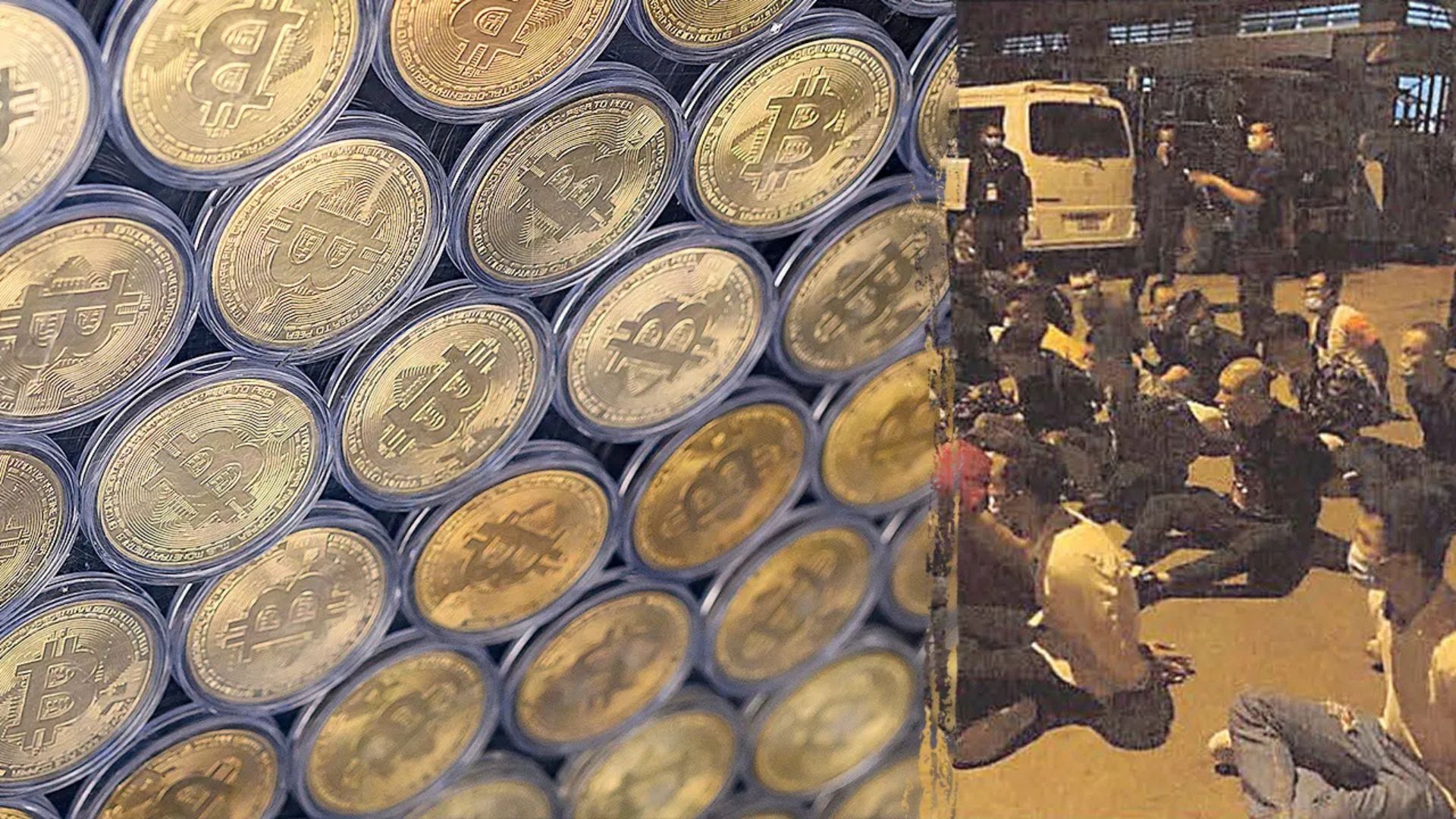
The growing intersection between geopolitics, digital assets, and national financial strategy has sparked a fascinating debate: Can the $1 billion in Iranian cryptocurrency seized by the United States become part of a future U.S. strategic Bitcoin reserve? As cryptocurrencies continue to gain legitimacy among governments, institutions, and investors worldwide, questions surrounding the ownership and management of confiscated digital assets are becoming increasingly important.
The United States has conducted several high-profile cryptocurrency seizures over the past decade, often targeting criminal enterprises, sanctions evasion networks, and illicit financial operations. Among these seizures, reports involving approximately $1 billion in Iranian cryptocurrency have attracted significant attention due to their potential implications for both international sanctions enforcement and the future of government-held digital assets.
At the same time, discussions surrounding a potential U.S. strategic Bitcoin reserve have intensified. Supporters argue that Bitcoin could serve as a digital equivalent of gold, providing strategic economic advantages in an increasingly digital global economy. This raises an intriguing question: if the U.S. government already possesses large quantities of seized cryptocurrency, could those assets eventually contribute to a national Bitcoin reserve?
The $1 Billion Iranian Cryptocurrency Seizure
The seizure of approximately $1 billion in Iranian cryptocurrency reflects the broader efforts of U.S. authorities to enforce economic sanctions and disrupt financial networks believed to support prohibited activities. Over recent years, federal agencies have increasingly targeted cryptocurrency wallets, exchanges, and blockchain-based transactions linked to sanctioned entities.
Unlike traditional bank accounts, cryptocurrencies operate on decentralized networks. However, blockchain technology provides a transparent record of transactions, enabling investigators to trace the movement of digital assets. Through sophisticated blockchain analytics, authorities can identify wallets connected to sanctioned individuals, organizations, or governments.
In the Iranian case, authorities reportedly focused on cryptocurrency operations linked to sanctions evasion strategies. As international sanctions limited access to conventional financial systems, digital assets emerged as an alternative method for moving value across borders. The seizure represented one of the largest cryptocurrency enforcement actions involving sanctions-related activities.
The Rise of Government-Owned Cryptocurrency
How Governments Acquire Digital Assets
Government ownership of cryptocurrency is no longer unusual. Across the world, law enforcement agencies have accumulated substantial digital asset holdings through seizures, forfeitures, and legal enforcement actions. The United States has become one of the largest holders of seized cryptocurrency. Various federal agencies, including the Department of Justice, the Federal Bureau of Investigation, and other enforcement bodies, have confiscated billions of dollars worth of Bitcoin and other digital currencies from criminal investigations.
These holdings typically originate from cases involving cybercrime, money laundering, ransomware attacks, darknet marketplaces, fraud schemes, and sanctions violations. Once seized, the assets are usually held pending court proceedings and eventual disposition.
Historical Examples of Major Crypto Seizures
Several landmark cases have highlighted the scale of government cryptocurrency ownership. Seizures linked to darknet marketplaces generated substantial Bitcoin holdings. Other cases involving cybercriminal organizations added even more digital assets to government-controlled wallets.
In many instances, seized Bitcoin appreciated significantly before being liquidated. This has fueled debates about whether governments should continue selling confiscated cryptocurrency or retain some portion as a strategic asset. The Iranian cryptocurrency seizure adds another chapter to this evolving story, raising questions about the long-term management of confiscated digital wealth.
What Is a U.S. Strategic Bitcoin Reserve?
The Concept Behind Strategic Reserves
Strategic reserves are government-controlled stockpiles of valuable assets maintained to support national interests. Historically, countries have maintained reserves of gold, foreign currencies, oil, and other critical resources.
A strategic Bitcoin reserve would function similarly. Instead of storing physical commodities, the government would hold Bitcoin as a reserve asset. Advocates argue that Bitcoin’s scarcity, decentralization, and global liquidity make it an attractive complement to traditional reserves.
The idea has gained momentum as Bitcoin increasingly becomes recognized as a legitimate asset class. Some policymakers, economists, and cryptocurrency supporters view Bitcoin as a potential hedge against inflation, currency instability, and geopolitical uncertainty.
Why Bitcoin Is Being Compared to Gold
Bitcoin is often referred to as digital gold because of several shared characteristics. Both assets are scarce, difficult to counterfeit, and widely recognized as stores of value. Bitcoin’s fixed supply of 21 million coins creates a scarcity mechanism that many investors find attractive.
Unlike gold, however, Bitcoin can be transferred globally within minutes and stored digitally. These features have led some analysts to suggest that governments may eventually include Bitcoin alongside traditional reserve assets. If a strategic Bitcoin reserve were established, policymakers would need to determine how to acquire and manage those holdings. This is where seized cryptocurrency enters the discussion.
Can Seized Iranian Cryptocurrency Legally Enter a Strategic Bitcoin Reserve?
Ownership and Asset Forfeiture Rules
The legal pathway from seizure to strategic reserve is not straightforward. When cryptocurrency is seized by U.S. authorities, ownership does not automatically transfer to the federal government. Courts must typically approve forfeiture proceedings before assets can be permanently retained.
Once forfeiture is finalized, federal agencies generally follow established asset disposition procedures. Historically, many seized cryptocurrencies have been auctioned or sold, with proceeds directed according to legal requirements. Therefore, even if the U.S. government gains lawful ownership of the $1 billion in Iranian cryptocurrency, existing procedures may require liquidation rather than long-term retention.
Congressional and Executive Authority
Creating a strategic Bitcoin reserve would likely require significant policy decisions involving Congress, federal agencies, and potentially the executive branch. Current laws governing asset forfeiture were not designed with strategic cryptocurrency reserves in mind. Any decision to redirect seized digital assets into a national reserve would likely require new legislation or regulatory adjustments.
Policymakers would need to address questions regarding custody, transparency, accounting standards, auditing procedures, and reserve management. As a result, legal barriers remain one of the primary obstacles to incorporating seized cryptocurrency into a strategic Bitcoin reserve.
Economic Implications of Adding Seized Cryptocurrency to a Reserve

Potential Benefits
Supporters of a strategic Bitcoin reserve see several advantages. First, utilizing already-seized cryptocurrency could reduce acquisition costs. Instead of purchasing Bitcoin on the open market, the government could allocate existing holdings toward reserve objectives. Second, maintaining Bitcoin reserves could diversify national assets. Diversification may improve resilience during periods of economic uncertainty and currency volatility.
Third, a government Bitcoin reserve could strengthen the United States’ position within the evolving digital asset economy. As blockchain technology becomes increasingly integrated into global finance, early adoption may provide strategic advantages. The $1 billion in Iranian cryptocurrency seized by the U.S. represents a substantial asset pool that could potentially contribute to these objectives if legal and policy frameworks allow.
Potential Risks
Despite potential benefits, significant risks remain. Cryptocurrency markets are known for extreme volatility. Large fluctuations in value could complicate reserve management and create political controversy. Security concerns also play a major role. Government agencies would need sophisticated custody solutions to protect reserve holdings from theft, hacking, or operational failures.
Additionally, some economists question whether highly volatile digital assets are appropriate components of national reserves. Critics argue that reserve assets should prioritize stability and predictability. These concerns help explain why governments remain cautious about formally integrating cryptocurrency into strategic financial planning.
Geopolitical Considerations
Impact on International Relations
The inclusion of seized Iranian cryptocurrency in a U.S. strategic reserve could have geopolitical implications. Such a move might be interpreted as a symbolic demonstration of sanctions enforcement effectiveness. At the same time, it could generate diplomatic reactions from countries that oppose U.S. sanctions policies. Cryptocurrency increasingly sits at the intersection of international finance, technology, and national sovereignty. Governments worldwide are closely monitoring how major powers manage digital assets. Decisions made by the United States could influence global approaches to cryptocurrency regulation and reserve management.
The Global Race for Digital Asset Leadership
Several countries are actively exploring blockchain technologies, central bank digital currencies, and digital asset strategies. As competition intensifies, national cryptocurrency holdings may become increasingly significant. A strategic Bitcoin reserve could position the United States as a leader in the digital asset space. Using confiscated cryptocurrency as a foundation for such a reserve could accelerate implementation while minimizing direct taxpayer expenditures. However, policymakers would need to carefully balance strategic objectives with legal and diplomatic considerations.
How the Cryptocurrency Industry Views the Idea
Support from Bitcoin Advocates
Many Bitcoin supporters strongly favor retaining seized cryptocurrency rather than selling it. They argue that Bitcoin’s long-term appreciation potential makes liquidation shortsighted. According to this perspective, government-held Bitcoin could appreciate substantially over time, strengthening public finances and providing a strategic economic resource. Proponents often cite historical examples in which governments sold confiscated Bitcoin long before significant price increases occurred.
Concerns from Traditional Financial Experts
Traditional economists and financial policymakers tend to express greater caution. While acknowledging Bitcoin’s growing significance, they often emphasize the importance of maintaining conservative reserve management practices. Critics argue that reserve assets should prioritize stability, liquidity, and predictability. Because cryptocurrency markets remain relatively young, some experts believe additional maturation is necessary before digital assets become core reserve components. This ongoing debate highlights the complexity of determining the future role of seized cryptocurrency within national financial strategy.
What Would Need to Happen for Inclusion in a Strategic Bitcoin Reserve?
For the $1 billion in Iranian cryptocurrency seized by the U.S. to become part of a strategic Bitcoin reserve, several developments would likely need to occur. First, all legal forfeiture proceedings would need to conclude, ensuring the government obtains clear ownership rights. Second, policymakers would need to establish a formal framework authorizing the retention of confiscated digital assets rather than their immediate sale.
Third, federal agencies would require robust custody and governance systems capable of securely managing reserve holdings. Finally, broader political support would be necessary to integrate cryptocurrency into national reserve policy. Without these changes, existing practices are more likely to result in eventual liquidation rather than reserve inclusion.
The Future of Government Cryptocurrency Holdings
As digital assets become increasingly embedded within the global financial system, governments are likely to accumulate larger cryptocurrency holdings through enforcement actions. The debate surrounding the Iranian cryptocurrency seizure reflects broader questions about how governments should manage digital wealth. Should confiscated assets be sold immediately, or should they be retained as strategic resources?
The answer may depend on evolving attitudes toward Bitcoin, regulatory developments, and geopolitical considerations. What seems unconventional today could become standard practice in the future. Regardless of the outcome, the discussion surrounding seized cryptocurrency and strategic reserves represents a significant milestone in the maturation of digital asset policy.
Conclusion
The seizure of approximately $1 billion in Iranian cryptocurrency has sparked important discussions about the future role of digital assets in national financial strategy. While the idea of incorporating these holdings into a U.S. strategic Bitcoin reserve is theoretically possible, significant legal, regulatory, and political hurdles remain. Current procedures generally favor liquidating confiscated cryptocurrency after forfeiture proceedings conclude. However, growing interest in Bitcoin as a strategic asset has prompted policymakers, economists, and industry leaders to reconsider traditional approaches.
Whether the seized Iranian cryptocurrency ultimately becomes part of a strategic reserve or is sold through existing channels, the debate highlights a broader shift in how governments view digital assets. As Bitcoin and blockchain technology continue to reshape global finance, the management of government-owned cryptocurrency may become an increasingly important policy issue in the years ahead.
