


The world of digital ownership has undergone a profound transformation in recent years, largely thanks to the emergence of non-fungible tokens, commonly known as NFTs. What once seemed like a niche concept confined to cryptocurrency enthusiasts has rapidly evolved into a mainstream phenomenon that captures the attention of artists, collectors, investors, and major corporations alike. Understanding what NFTs are and how they function has become increasingly important for anyone interested in digital culture, technology, and modern investment strategies.
NFTs represent a fundamental shift in how we conceptualize ownership and authenticity in the digital realm. Unlike traditional digital files that can be infinitely copied without degradation, NFTs provide a means to establish verifiable scarcity, ownership rights, and provenance for digital and physical assets. This technological innovation has opened entirely new possibilities for creators, from digital artists seeking fair compensation for their work to musicians exploring novel distribution models.
The NFT market has experienced remarkable growth alongside periods of intense scrutiny and volatility. As the sector matures, separating hype from genuine utility becomes increasingly important. This article explores seven critical aspects of NFT technology and markets that every informed participant should understand. Whether you’re considering entering the NFT space, evaluating an investment opportunity, or simply seeking to comprehend this transformative technology, these fundamental concepts will provide a solid foundation for understanding how NFTs work and their potential implications for digital asset ownership.
What NFTs Are and How They Function
Non-fungible tokens are digital assets that exist on blockchain networks and represent unique items with specific properties and ownership rights. The term “non-fungible” is crucial to understanding these tokens. Fungible assets, like traditional currency or cryptocurrencies such as Bitcoin, are interchangeable—one dollar is identical to any other dollar, and one Bitcoin functions identically to any other Bitcoin. NFTs, by contrast, are non-interchangeable, meaning each NFT token possesses distinct characteristics that make it unique and irreplaceable.
The Technical Foundation of NFTs
At their core, NFTs are built on blockchain technology, most commonly on the Ethereum network, though other blockchains like Solana, Polygon, and Flow now support NFT creation and trading. Each NFT is defined by a unique digital identifier and stored on the blockchain, creating an immutable record of ownership and transaction history. This permanent ledger ensures that NFT authenticity can be verified independently, eliminating the possibility of counterfeiting or unauthorized duplication.
The blockchain acts as a decentralized ledger, maintaining records of every transaction, transfer, and ownership change associated with an NFT asset. This transparent system provides what previous digital ownership models could never guarantee: verifiable proof of authenticity and an indisputable chain of custody. When you purchase an NFT, the blockchain records your ownership of that specific token, along with all associated metadata and transaction history.
Smart Contracts and NFT Standards
Smart contracts are automated programs that govern how NFTs function. These contracts contain the code that defines what an NFT can do, including transfer rules, royalty mechanisms, and metadata standards. The most common NFT standards are ERC-721 and ERC-1155 on Ethereum, which establish consistent protocols for how NFTs are created, traded, and managed.
Smart contracts enable sophisticated features that physical assets cannot provide. Creators can automatically receive royalties on NFT sales each time their creation changes hands on secondary markets. This functionality fundamentally changes the economics of creative work, allowing artists to maintain ongoing financial interest in their creations throughout their lifecycle.
The Distinction Between NFTs and Cryptocurrencies
A common source of confusion involves the relationship between NFTs and cryptocurrencies. While both exist on blockchain networks and share technological infrastructure, they serve fundamentally different purposes and possess distinct characteristics that merit careful understanding.
Key Differences in Function and Value
Cryptocurrencies, such as Bitcoin and Ethereum, are fungible digital currencies designed to function as mediums of exchange, stores of value, or utility tokens. One Bitcoin is identical to any other Bitcoin, making cryptocurrencies perfect for financial transactions where interchangeability is essential. NFTs, conversely, derive their value from uniqueness and scarcity rather than fungibility.
The value proposition differs fundamentally between these asset classes. Cryptocurrency value derives from factors like network adoption, utility, supply constraints, and market sentiment regarding its role as currency or store of value. NFT value, by contrast, depends heavily on the perceived desirability of the specific asset, its cultural significance, the reputation of its creator, and collector sentiment regarding its uniqueness.
Investment Implications and Market Dynamics
Understanding this distinction matters greatly for investment decision-making. Cryptocurrency investments typically involve speculation on broader adoption and utility, while NFT investments involve assessment of specific assets and their particular characteristics. A portfolio containing cryptocurrencies and NFT collections requires different analytical frameworks, as the value drivers and risk profiles differ substantially.
Furthermore, NFT ownership provides no direct voting rights, governance privileges, or claims on future earnings unless specifically coded into the associated smart contract. Cryptocurrencies, particularly governance tokens, often provide voting rights and participation in project decisions, adding a layer of utility beyond their use as tradeable assets.
The Diverse Applications and Use Cases for NFTs
Beyond digital art and collectibles, which dominated early NFT market trends, non-fungible tokens have found applications across multiple industries and use cases. Understanding this diversity reveals why many analysts believe NFTs represent more than a speculative bubble but rather a genuine technological shift with lasting implications.
Digital Art and Creative Industries
The art world represents one of the most natural applications for NFT technology. Digital artists gain the ability to prove ownership and authenticity of their creations, a challenge that plagued digital art for decades. NFT art platforms have democratized access to collectors and artists, eliminating gatekeepers who previously controlled who could succeed as artists.
NFTs in the creative industries extend beyond static images to encompass music, video, and interactive content. Musicians have released albums as NFT collections, sometimes granting holders exclusive content access, concert tickets, or revenue sharing agreements. This model creates direct relationships between creators and supporters, bypassing traditional intermediaries.
Gaming and Virtual Worlds
NFT gaming represents perhaps the most practically compelling use case for blockchain-based assets. In-game items represented as NFTs can possess real-world value, encouraging player investment and engagement. Players can trade items across games if these experiences operate on compatible blockchain standards, creating economies with genuine economic consequences.
Virtual world NFTs allow individuals to own digital real estate, artwork, and possessions within metaverse platforms. These virtual assets can appreciate in value as the underlying platform grows more popular and economically significant. Early adopters of valuable virtual properties have realized substantial gains.
Intellectual Property and Rights Management
NFTs for intellectual property management offer potential solutions to longstanding challenges in licensing, distribution, and royalty tracking. An author could represent rights to their work as an NFT, transferring specific usage rights to buyers while maintaining ownership of the underlying creation. This capability enables novel business models where intellectual property rights become tradeable assets.
Real-World Asset Tokenization
One of the most significant emerging use cases involves tokenizing real-world assets such as real estate, fine art, commodities, and securities. By representing physical assets as NFTs, ownership becomes fractionalizable and tradeable globally on digital platforms. This real-world asset tokenization could unlock trillions of dollars in previously illiquid assets.
The Economics of the NFT Market and Pricing Dynamics
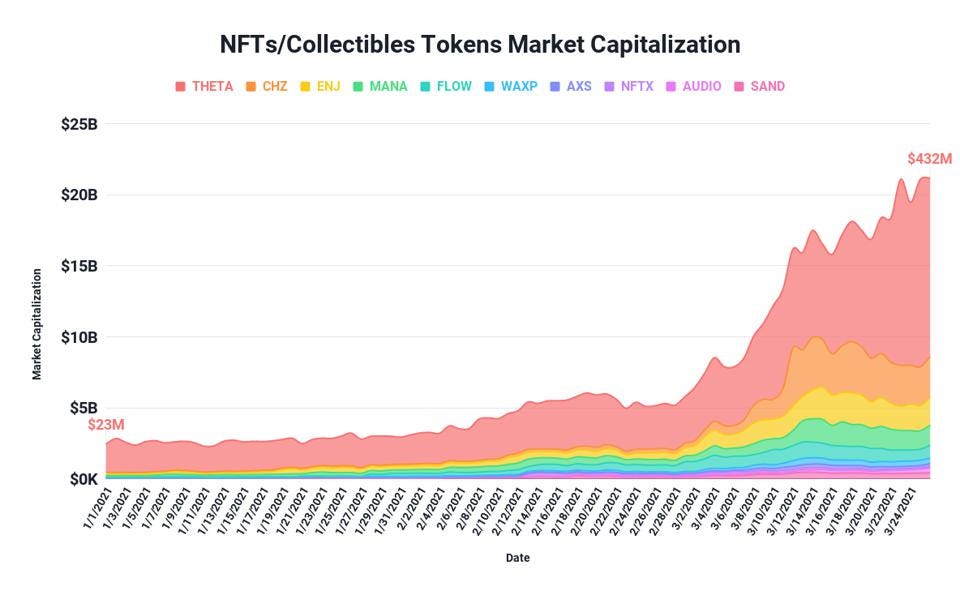
Understanding how NFT pricing works and what drives NFT market value requires examining the unique economic dynamics that characterize this nascent asset class.
Factors Determining NFT Value
NFT prices depend on multiple interrelated factors that differ significantly from traditional asset pricing models. Creator reputation and track record substantially influence value, as collectors prioritize works from established or rising artistic talents. The scarcity and uniqueness of a particular NFT within a collection matter enormously, with rare variants commanding significant premiums.
Utility and functionality embedded in an NFT also drive value. An NFT providing access to exclusive communities, events, or content commands higher value than identical-looking tokens lacking such utility. The perceived cultural significance and meme value of an NFT collection can dramatically impact prices, as demonstrated by various viral trends in the NFT market.
Community sentiment and network effects play crucial roles in NFT valuation. Popular collections attract larger audiences and more active trading, creating liquidity that attracts additional buyers and sellers. This momentum can create positive feedback loops where rising prices attract new participants, further increasing demand.
Market Volatility and Price Discovery
The NFT market exhibits extreme volatility, with prices for identical assets varying wildly based on current buyer sentiment and market conditions. Unlike established assets with centuries of price history and transparent valuation models, NFTs operate in a nascent market where price discovery remains ongoing and imperfect. NFT market cycles tend to correspond with broader cryptocurrency sentiment.
During periods of cryptocurrency enthusiasm and rising valuations, NFT prices surge and trading volume explodes. Conversely, when cryptocurrency markets decline, NFT market activity contracts sharply, and many collections experience significant price depreciation.
Understanding Speculative vs. Fundamental Value
Distinguishing between speculative enthusiasm and fundamental value in NFT investments remains challenging. Some NFT collections represent genuine creative achievement or utility with lasting appeal, while others exist primarily as vehicles for speculation. Making this distinction requires careful analysis, due diligence, and honest assessment of whether an NFT’s value proposition extends beyond hopes for continued appreciation.
The Sustainability and Environmental Concerns Surrounding NFTs
The environmental impact of NFT technology has emerged as a significant concern, particularly regarding blockchain networks using energy-intensive consensus mechanisms. Understanding these concerns is important for informed decision-making about NFT participation.
Energy Consumption and Carbon Footprint
Early NFT platforms, particularly those built on Ethereum before its transition to proof-of-stake consensus, consumed substantial electrical resources. Each blockchain transaction required computational power to verify, with energy consumption scaling with network activity. Critics rightfully highlighted that some NFT transactions consumed kilowatt-hours of electricity comparable to daily household usage.
However, the blockchain technology landscape is evolving rapidly. Ethereum’s shift to proof-of-stake dramatically reduced its energy consumption by over 99%, rendering environmental criticism of Ethereum-based NFTs largely obsolete from an energy standpoint. Similarly, NFT platforms built on efficient blockchains like Polygon and Solana consume minimal electricity per transaction.
Emerging Solutions and Greener Alternatives
The NFT industry is actively addressing environmental concerns through multiple approaches. Blockchain networks implementing proof-of-stake or other efficient consensus mechanisms minimize energy consumption, addressing legitimate sustainability worries. Additionally, carbon offset programs and NFT platforms committing to renewable energy usage provide ways to mitigate environmental impact. Green NFT initiatives are gaining momentum, with platforms explicitly prioritizing sustainability and transparency regarding their environmental footprints. Forward-thinking creators and collectors increasingly prefer eco-friendly NFT options, creating market incentives for more sustainable platforms and practices.
The Regulatory Landscape and Legal Considerations for NFTs
As NFTs transition from emerging technology to mainstream phenomenon, regulatory scrutiny has intensified. Understanding the evolving legal framework surrounding NFT technology is essential for participants in this space.
Current Regulatory Status and Uncertainty
The regulatory treatment of NFTs remains ambiguous in most jurisdictions, creating uncertainty for buyers, sellers, and platforms. Regulators must determine whether NFTs constitute securities, commodities, art, or something entirely new. This classification significantly impacts taxation, compliance requirements, and permissible marketing practices.
Securities regulation represents one area of concern, as some NFT projects offer revenue sharing, voting rights, or other characteristics resembling securities. Offering such NFTs without appropriate securities law compliance could trigger regulatory action. Distinguishing between NFTs providing utility within a community and those functioning as investment contracts remains an ongoing challenge.
Taxation and Reporting Requirements
The tax treatment of NFT transactions varies significantly by jurisdiction but generally requires reporting of gains or losses when NFTs are sold. Some tax authorities classify NFTs as collectibles, potentially subjecting them to higher capital gains tax rates. The complexity of tracking NFT acquisition costs, holding periods, and fair market values at transaction times creates substantial compliance challenges for active traders. Creators receiving NFT sales proceeds must report income, while individuals holding NFT collections may face reporting requirements regarding asset valuation for tax or regulatory purposes. Consulting with tax professionals familiar with NFT taxation remains advisable for serious participants.
Consumer Protection and Fraud Prevention
Regulatory bodies increasingly focus on consumer protection within NFT markets, addressing fraud, misrepresentation, and market manipulation. Requirements for NFT platform compliance with anti-money laundering standards and know-your-customer protocols are becoming more stringent. Securities fraud prosecution has targeted misleading NFT projects making unrealistic promises or misrepresenting utility or ownership rights. The development of clear NFT regulations should ultimately benefit legitimate participants by establishing clear expectations and reducing fraudulent activity. However, regulation could also restrict innovation or increase participation barriers, creating ongoing tensions within the community.
Evaluating NFT Investments and Avoiding Common Pitfalls
For those considering NFT investments, understanding how to evaluate opportunities and avoid common mistakes is essential for protecting capital and making informed decisions.
Due Diligence and Research Framework
Successful NFT investing requires thorough research into the creator, the collection, the community, and the underlying utility. Examining creator track records, previous successful projects, and community reputation provides crucial context for evaluating whether a new NFT project deserves investment. Trading volume, price history, and holder distribution reveal whether a collection has genuine demand or represents speculative hype.
Community engagement quality matters significantly in NFT assessment. Organic, active communities discussing utility and building around collections tend to produce more stable value, while communities primarily focused on price appreciation often disappoint investors. Engaging with NFT communities directly through Discord servers and social media provides insight into participant sentiment and project momentum.
Common Investment Mistakes to Avoid
FOMO-driven NFT purchases represent a frequent cause of losses, as investors rush to buy at market peaks, missing early opportunities while catching the downside. Successful NFT investing requires disciplined decision-making based on analysis rather than emotional impulse responding to rapid price movements. Over-concentration in single collections or creators creates unnecessary risk. Diversified NFT portfolios spanning multiple creators, collections, and use cases provide better risk management than putting substantial capital into one opportunity. This principle applies whether someone is collecting art for enjoyment or pursuing investment returns.
Underestimating liquidity risk catches many NFT investors by surprise. Unlike actively traded stocks or cryptocurrencies, many NFT collections lack substantial buyer interest, making it difficult to sell at desired prices. Illiquid NFTs can become difficult to exit, trapping capital in depreciating assets. Prioritizing collections with trading history and demonstrated liquidity reduces this risk.
The Future of NFTs and Emerging Trends
As the NFT market matures, emerging trends suggest the technology’s evolution and potential long-term role in digital ownership and creative economics.
Integration with Physical Assets and Hybrid Models
The most compelling long-term applications of NFT technology involve bridging digital and physical worlds. NFT certificates of authenticity for luxury goods, art, real estate, and collectibles could dramatically reduce counterfeiting and fraud. Owners could verify physical asset authenticity through associated NFTs, linking blockchain records to tangible property. Hybrid NFT models combining physical and digital components are gaining traction, particularly in merchandise, collectibles, and art. Purchasing physical artwork might include an associated NFT providing provenance, authentication, and participation rights. This integration creates value for both digital and physical assets.
Enhanced Utility and Practical Applications
The evolution from NFT collectibles toward NFT utility represents a significant maturation trend. Rather than existing primarily as speculative trading vehicles, increasingly NFTs provide genuine utility—access to communities, voting rights, revenue streams, or real-world benefits. This shift toward practical utility should improve long-term value stability and legitimacy. GameFi and play-to-earn models are becoming more sophisticated, with NFT gaming creating legitimate economies where players can earn meaningful income. As these systems mature and gain adoption, the economic impact on participants and broader society could prove substantial.
Conclusion
The world of non-fungible tokens represents far more than a speculative bubble or passing fad, though it certainly contains speculative elements that deserve caution. NFTs represent a genuine technological innovation enabling new forms of digital ownership, creative compensation, and asset representation. Understanding the seven critical aspects outlined in this article—what NFTs actually are, their distinction from cryptocurrencies, their diverse applications, their unique economics, environmental considerations, regulatory landscape, and investment principles—provides the foundation necessary for informed participation in this evolving space.
The NFT market continues to mature, separating legitimate applications from pure hype. Survivors in this space will likely be those providing genuine utility or representing significant creative achievement, rather than those existing solely as speculative vehicles. For potential investors and participants, the key lies in approaching NFTs with eyes wide open regarding both opportunities and risks, conducting thorough research, and making decisions grounded in analysis rather than emotion.
As blockchain technology becomes increasingly integrated into digital infrastructure and creative industries evolve to incorporate new business models, NFTs and blockchain-based assets will likely become more commonplace and practical. The specific trajectory remains uncertain, but the fundamental technology enabling NFT creation and trading addresses real challenges in digital ownership and authenticity verification. Understanding these technologies prepares you to navigate whatever future emerges from this ongoing evolution.
