



The non-fungible token (NFT) market has experienced a remarkable evolution since its emergence in the early 2020s, transforming from a niche digital curiosity into a significant segment of the broader cryptocurrency and blockchain ecosystem. Understanding the current NFT market size, share, and industry dynamics is essential for investors, entrepreneurs, and technology enthusiasts seeking to comprehend this rapidly developing sector. As of 2026, the NFT market continues to mature, with valuations, trading volumes, and use cases expanding well beyond the initial speculative frenzy that characterized the sector’s explosive growth period.
The NFT industry represents a fundamental shift in how digital ownership and authenticity are established and verified through blockchain technology. Unlike cryptocurrencies such as Bitcoin or Ethereum, which are fungible and interchangeable, NFTs are unique digital assets that cannot be replaced by another identical asset. This distinction has enabled entirely new categories of applications, from digital art and collectibles to virtual real estate, gaming items, and intellectual property rights management. The global NFT market has evolved from a largely unregulated and speculative domain into an increasingly sophisticated marketplace with established players, institutional involvement, and developing regulatory frameworks.
The market dynamics of the NFT sector reflect broader trends in digital commerce, blockchain adoption, and the tokenization of real-world and digital assets. This comprehensive analysis examines the current NFT market size and valuation, explores the distribution of market share among different NFT platforms and categories, and investigates the industry factors driving growth and presenting challenges. Whether you’re considering NFT investments, launching NFT projects, or seeking to understand this transformative technology, this article provides the insights necessary to comprehend the NFT market landscape and anticipate future developments in this dynamic industry.
What is the NFT Market and Why Does It Matter?
Understanding Non-Fungible Tokens
Non-fungible tokens, commonly abbreviated as NFTs, are unique digital assets built on blockchain technology that represent ownership of a specific item. Unlike fungible tokens such as Bitcoin or Ethereum, which are interchangeable and identical to one another, each NFT has distinct characteristics, metadata, and an ownership history that makes it irreplaceable. This fundamental distinction is what allows NFTs to represent true digital ownership of unique items, whether that’s digital art, collectibles, virtual real estate, or intellectual property.
The technology underlying NFTs relies on blockchain networks to record ownership, transaction history, and authenticity. When you own an NFT, you possess a cryptographic token stored on the blockchain that proves your ownership rights. This blockchain verification creates an immutable record of ownership that cannot be forged or disputed. The importance of the NFT market lies in its ability to solve real-world problems related to digital authenticity, ownership verification, and the creation of scarcity in the digital realm.
Why the NFT Market Matters for Modern Commerce
The NFT marketplace has become important not just for collectors and investors, but for legitimate business applications. Brands are using NFT technology for product authentication, ticketing, loyalty programs, and membership access. Gaming companies integrate NFTs as in-game assets with genuine utility and tradeable value. Entertainment companies utilize NFTs to deepen fan engagement and create new revenue streams. This practical adoption of NFT solutions demonstrates that the NFT industry extends far beyond speculative collecting.
The digital asset market powered by NFTs represents the frontier of how ownership will be verified and transferred in the digital age. As more institutions and businesses integrate NFT technology into their operations, understanding the NFT market landscape becomes increasingly important for anyone participating in digital commerce or investment.
Current NFT Market Size and Valuation
Global NFT Market Size in 2026
The global NFT market has demonstrated significant growth since its mainstream emergence, though with notable volatility reflecting the sector’s relative youth and speculative nature. As of 2026, estimates place the NFT market size at approximately $10 to $15 billion in annual trading volume, with the total valuation of existing NFT assets considerably higher when accounting for the cumulative value of outstanding tokens. These figures represent a substantial consolidation from the market’s peak valuations in 2021-2022, when trading volumes reached unprecedented levels, followed by significant corrections during the cryptocurrency market downturn.
This market size variation reflects the NFT market’s transition from speculation-driven peak to a more sustainable baseline. The current market valuation includes Ethereum-based NFTs, Solana NFTs, Polygon NFTs, and tokens on numerous other blockchain platforms. Each blockchain ecosystem contributes differently to the overall NFT market size, with Ethereum maintaining the largest share despite competition from alternative chains offering lower transaction costs.
Understanding NFT Trading Volume and Market Activity
NFT trading volume has stabilized at levels significantly lower than the speculation-driven peaks of 2021-2022 but considerably higher than the pre-mainstream awareness period. Monthly trading volumes across major NFT marketplaces typically range from $500 million to $2 billion, representing a substantial decline from the multi-billion monthly volumes during the speculative bubble but nonetheless demonstrating sustained market activity. This normalization suggests a maturing market where speculative excesses have been purged and remaining activity represents more fundamental interest in NFT technology and applications.
The composition of NFT trading activity has shifted significantly as the sector has matured. While digital art NFTs and collectibles dominated early NFT market activity, gaming NFTs and metaverse assets have become increasingly prominent, with play-to-earn gaming platforms and virtual world applications driving substantial trading volume. Additionally, NFT utility use cases such as ticketing, supply chain authentication, and membership access represent growing segments of the NFT trading ecosystem.
How NFT Market Share is Distributed Across Platforms
Leading NFT Marketplaces and Platform Dominance
The NFT marketplace landscape is dominated by several major platforms that control the majority of trading volume and user activity. OpenSea, historically the largest NFT trading platform, maintains significant market share though facing increased competition from specialized and blockchain-specific alternatives. The Ethereum blockchain remains the primary infrastructure supporting most NFT transactions, reflecting Ethereum’s established ecosystem, development tools, and user base, though alternative blockchains such as Solana, Polygon, and Flow have captured meaningful portions of the NFT market share.
Solana NFTs have gained popularity among gaming and metaverse applications due to lower transaction costs and faster transaction finality. Polygon NFTs attract projects seeking to reduce costs while maintaining Ethereum compatibility. This multi-chain reality means the NFT market is not a monolithic entity but rather a collection of interconnected yet partially fragmented ecosystems, each serving different user needs and preferences.
Market Share Distribution Across NFT Categories
Within the NFT market, significant variation exists in how market share is distributed across different categories of digital assets. Gaming NFTs represent one of the largest and fastest-growing segments, with titles commanding substantial user bases and trading volumes. The gaming NFT sector has evolved from simple collectible items to sophisticated in-game economies with genuine utility and functionality.
Art NFTs and digital collectibles represent another substantial NFT market segment, though with more volatile valuations and trading activity. The vast majority of art NFTs trade at modest prices with limited liquidity, suggesting the art NFT market remains heavily skewed toward a small number of high-value items. Virtual real estate NFTs and metaverse tokens constitute an emerging segment with significant growth potential as metaverse platforms continue developing.
What’s Driving Growth in the NFT Market?
Institutional Adoption and Corporate Integration
One of the most significant developments in the NFT market has been the entry of institutional investors, established brands, and major corporations into the NFT space. Major luxury brands, sports franchises, and entertainment companies have launched NFT collections and digital collectibles, lending legitimacy to the sector. This institutional involvement in NFTs represents a fundamental shift from the early period when the NFT market was dominated by cryptocurrency enthusiasts and speculators.
The participation of major auction houses in NFT sales signals the integration of the NFT market into the broader art and collectibles ecosystem. When prestigious institutions engage in NFT trading and authentication, it elevates the credibility of the technology and demonstrates that NFT assets are being recognized alongside traditional collectibles. This institutional validation has encouraged further adoption and attracted investors who previously viewed the NFT market as too speculative.
Technological Improvements and Better User Experience
The maturation of blockchain technology underlying NFT transactions has significantly improved the user experience and reduced friction in NFT buying, selling, and trading. Layer 2 solutions such as Polygon and Arbitrum have dramatically reduced transaction costs compared to mainnet Ethereum, making NFT trading more accessible to retail participants and enabling use cases that would be economically infeasible at higher transaction fees.
Improvements in NFT wallet technology, user interface design, and marketplace functionality have reduced technical barriers to entry for non-technical users. Early NFT markets required significant cryptocurrency knowledge, but modern NFT marketplaces provide experiences comparable to traditional e-commerce platforms. This accessibility enhancement has been crucial in enabling mainstream adoption of NFT buying and selling beyond the cryptocurrency-native community.
Expansion of NFT Use Cases Beyond Collectibles
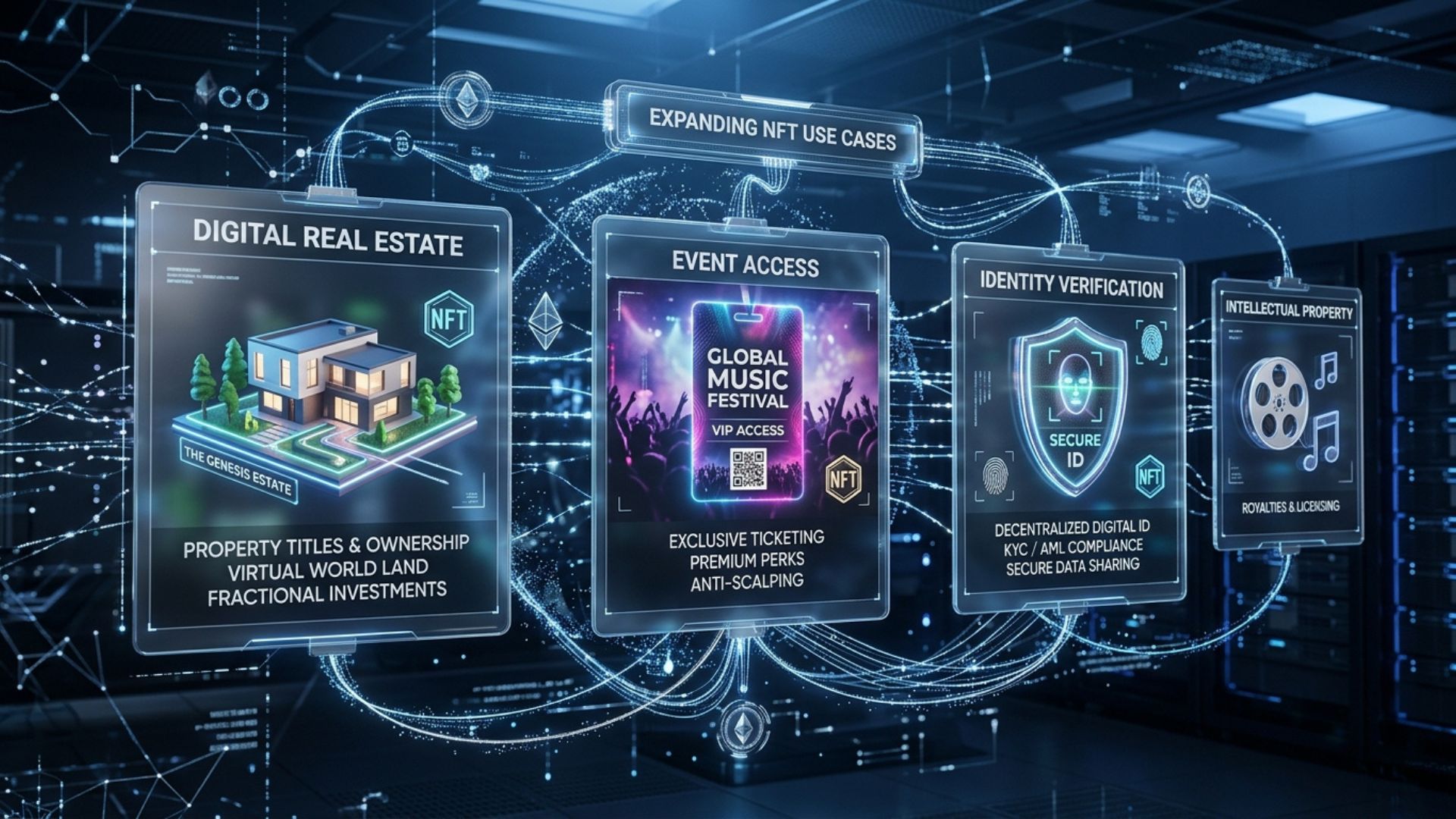
The expansion of NFT use cases beyond digital collectibles and art has been critical for market growth and legitimacy. Enterprise NFT applications, including supply chain authentication, product verification, and intellectual property management, represent a growing segment of the NFT market. Major brands are implementing blockchain-based authentication for luxury goods to combat counterfeiting, suggesting a significant long-term addressable market.
NFT ticketing represents another rapidly growing application, with sports teams, music venues, and event organizers adopting blockchain-based tickets. This application addresses real pain points in the ticketing industry, such as counterfeiting and unauthorized resale. Similarly, NFT-based loyalty programs and membership access tokens are being implemented by major brands seeking more engaging customer relationships.
Challenges Facing the NFT Market in 2026
Environmental Concerns and Sustainability Issues
The environmental impact of NFTs has been a significant source of criticism and concern, particularly for those deployed on energy-intensive blockchains. While Ethereum’s transition to proof-of-stake dramatically reduced energy consumption, perception issues persist. The sustainable future of the NFT market may depend on continued adoption of energy-efficient blockchains and greater transparency regarding the environmental footprint of NFT transactions.
Regulatory Uncertainty and Compliance Challenges
The regulatory landscape surrounding NFTs and digital assets remains in flux, with different jurisdictions adopting varying approaches to classification, taxation, and oversight. Uncertainty regarding whether NFTs qualify as securities, how NFT transactions should be taxed, and what compliance requirements NFT projects must satisfy creates challenges for participants and platforms. Ongoing regulatory development will likely shape the future trajectory of the NFT market considerably.
Market Saturation and Quality Concerns
The proliferation of NFT projects has led to significant market saturation, with the vast majority of launched NFT collections failing to attract sustained interest or achieve meaningful secondary trading activity. The thousands of low-utility NFT projects launched annually represent poor capital allocation and investor losses, contributing to skepticism despite genuine value creation in successful projects.
Scams and Fraud in NFT Transactions
The NFT market’s relative lack of regulation has made it attractive to fraudsters. NFT scams range from simple rug pulls where creators disappear with investor funds to sophisticated schemes involving fake marketplaces. The decentralized nature of blockchain technology makes it difficult to recover stolen NFT assets, and the pseudonymous character of transactions complicates law enforcement efforts.
Regional NFT Market Analysis and Geographic Trends
North America’s Dominance in the NFT Market
North America, particularly the United States, represents the largest regional NFT market by trading volume and user participation. The region’s concentration of technology companies, venture capital investment, and cryptocurrency expertise has positioned it as the center of NFT innovation and commerce. Major NFT platforms, blockchain developers, and digital artists are disproportionately located in North America, contributing to the region’s dominance in the global NFT ecosystem.
European NFT Market Development
Europe has emerged as an increasingly important region in the global NFT market, with significant trading activity and growing interest from both retail and institutional participants. The European NFT market is distinguished by more proactive regulatory engagement, with the European Union developing comprehensive frameworks for digital asset regulation. This regulatory clarity may facilitate institutional adoption by providing greater legal certainty than exists in some other jurisdictions.
Asian NFT Market Growth and Potential
Asia, particularly countries like South Korea, Japan, and Singapore, has developed substantial NFT markets with unique characteristics reflecting local gaming cultures and digital consumption patterns. Asian gaming NFTs and metaverse platforms have achieved significant adoption, with users demonstrating strong engagement with blockchain-based gaming. The rapidly growing Asian NFT market may represent a significant growth vector for the global NFT industry.
Future Outlook: NFT Market Projections Through 2026 and Beyond
Expected Market Growth and Size Projections
Analyst projections for the NFT market generally anticipate sustained growth despite near-term volatility. Many forecasters project that the NFT market will expand to $20 billion to $40 billion in annual trading volume by the late 2020s, as use cases mature, institutional adoption deepens, and user bases expand. However, these projections are subject to considerable uncertainty, dependent on successful regulatory evolution, technological improvements, and the emergence of genuinely valuable use cases.
Emerging Use Cases and Industry Innovation
The most promising growth vectors for the NFT market appear to be in practical utility applications rather than speculative art and collectibles. Enterprise NFT solutions, gaming NFTs with genuine economics, intellectual property tokenization, and blockchain-based authentication represent areas where NFT technology addresses real-world problems. The development of interoperable NFT standards and cross-chain compatibility will likely enable use cases not feasible with current fragmented blockchain ecosystems.
Expected Industry Consolidation and Evolution
The NFT industry is likely to experience continued consolidation, with successful platforms and projects gaining market share while weaker participants exit. The emergence of industry standards, best practices, and mature business models will distinguish viable NFT projects from speculative ventures. As the NFT market matures, the distinction between legitimate projects with genuine utility and pure speculative schemes will become increasingly apparent.
Conclusion
The NFT market, encompassing non-fungible token technology and its diverse applications, has evolved from a speculative phenomenon into a genuinely significant segment of the digital economy. The current NFT market size of approximately $10 to $15 billion in annual trading volume, combined with the expanding distribution of market share across diverse blockchains, platforms, and use cases, demonstrates that the NFT industry has moved beyond the initial bubble phase into market maturation and consolidation. While the NFT sector continues facing challenges including regulatory uncertainty and prevalence of low-utility projects, the underlying technology and emerging practical applications suggest that NFT markets will remain significant long-term.
The future trajectory of the global NFT market depends on successful navigation of regulatory frameworks, technological improvements enabling better user experiences, and the emergence of genuine use cases that justify NFT valuations on fundamental grounds. Projects combining innovative applications with solid business models and strong execution are likely to thrive. For investors, entrepreneurs, and participants in the NFT ecosystem, understanding the current market dynamics, size, and share distribution provides essential context for informed decision-making.
As the NFT landscape continues evolving through 2026 and beyond, market participants should focus on projects offering genuine utility, transparent operations, and sustainable value propositions. The NFT market that emerges from current consolidation will likely look considerably different from the sector’s speculative peak, with greater institutional involvement, clearer use cases, and more rigorous evaluation of NFT project fundamentals. This maturation, while potentially disappointing to speculators, represents positive development for the long-term viability and legitimacy of non-fungible token technology and the broader blockchain ecosystem.
