


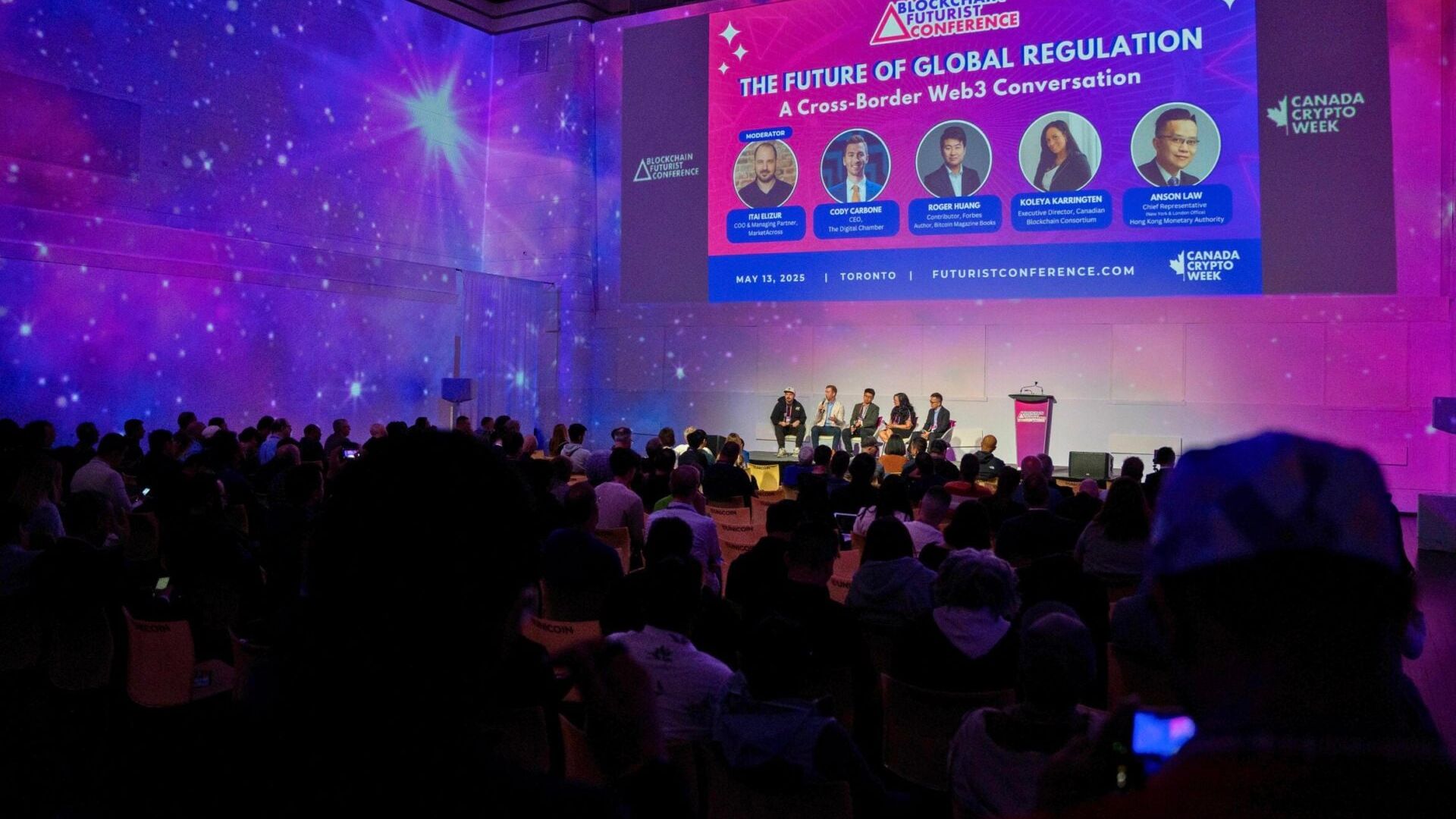
The Philippines has emerged as one of Southeast Asia’s most dynamic hubs for blockchain technology and cryptocurrency innovation, and the Web3 Builders Manila 2026 Conference stands as a testament to this growing movement. Held annually, this landmark event brings together developers, entrepreneurs, investors, and thought leaders who are shaping the future of decentralized finance and digital assets in the region. As we approach mid-2026, the conference represents a critical moment for the Web3 ecosystem to showcase how blockchain solutions are transforming businesses, creating new economic opportunities, and addressing real-world challenges in the Philippines and across Asia.
The Web3 Builders Manila conference is not merely another industry gathering; it’s a convergence point where visionary technologists meet pragmatic business leaders to discuss the tangible impact of distributed ledger technology on traditional systems. The event has grown exponentially since its inception, reflecting the increasing mainstream acceptance of cryptocurrency markets and the urgent need for skilled professionals in the blockchain development space. Manila’s position as a tech-savvy metropolis with a talented workforce makes it the ideal location for such a transformative conference that bridges the gap between innovation and practical implementation.
The Rise of Web3 in the Philippines and Southeast Asia
Why Manila Has Become a Blockchain Hub
Manila has transformed into a thriving center for Web3 development and cryptocurrency adoption over the past five years, driven by a combination of factors including a tech-savvy population, government support for innovation, and a growing number of startups focused on blockchain technology. The Philippines, with its young demographic and high internet penetration, represents an ideal market for testing and deploying decentralized finance solutions and digital asset platforms.
The city’s appeal as a blockchain hub stems from several key advantages. First, the Philippines has one of the highest rates of cryptocurrency adoption in Southeast Asia, with millions of Filipinos actively engaged in crypto trading and exploring digital wallet solutions. Second, the government has taken a relatively progressive stance toward blockchain regulations, creating a favorable environment for crypto startups and Web3 companies to operate and innovate. Third, Manila’s lower cost of living compared to other major tech hubs allows startups to build sustainable teams of talented developers while maintaining lean operational costs.
The presence of established tech companies, university programs focused on computer science and engineering, and a vibrant startup community has created a self-reinforcing cycle of innovation. Blockchain entrepreneurs in Manila are not just replicating solutions from Silicon Valley; they’re creating original approaches to solving regional problems such as remittance optimization, micropayment systems, and financial inclusion through decentralized applications. This authentic innovation mindset is what distinguishes Manila’s Web3 ecosystem from mere follower markets.
Government Support and Regulatory Framework
The Philippine government’s approach to blockchain technology and cryptocurrency regulation has been instrumental in attracting both local and international projects. The Bangko Sentral ng Pilipinas (BSP) has established clear guidelines for digital currency operations and crypto exchanges, providing legal certainty that entrepreneurs need to build sustainable businesses. The Securities and Exchange Commission (SEC) has also developed frameworks specifically addressing tokenomics, initial coin offerings (ICOs), and other blockchain-based fundraising mechanisms.
This regulatory clarity differentiates the Philippines from many other Southeast Asian nations where blockchain and cryptocurrency operations exist in a legal gray zone. Companies operating in Manila benefit from knowing exactly what compliance requirements they must meet, allowing them to focus resources on product development and market expansion rather than navigating unpredictable regulatory changes.
Web3 Builders Manila 2026: Conference Overview and Key Features
Conference Structure and Main Topics
The Web3 Builders Manila 2026 Conference spans three days of intensive programming featuring keynote presentations, technical workshops, panel discussions, and networking sessions designed to serve participants at all levels of blockchain expertise. The conference structure reflects a careful balance between high-level strategic discussions and hands-on technical training, ensuring that participants gain both conceptual understanding and practical skills they can immediately apply.
The main topics covered throughout the conference include advanced smart contract development, decentralized finance architecture, cryptocurrency security best practices, blockchain scalability solutions, and real-world applications of distributed ledger technology across various industries. Special emphasis is placed on Southeast Asian perspectives, with dedicated sessions exploring how Web3 solutions address unique regional challenges such as cross-border payments, remittances, and financial inclusion.
Featured Speakers and Industry Experts
The conference attracts world-renowned experts in blockchain technology, cryptocurrency finance, and Web3 infrastructure, alongside emerging voices from the regional blockchain community. Previous conferences have featured speakers from major crypto exchanges, blockchain development firms, venture capital firms specializing in digital assets, and academic institutions researching distributed ledger applications.
These speakers bring diverse perspectives from different segments of the blockchain ecosystem. Some focus on the technical aspects of building scalable smart contracts and optimizing blockchain networks, while others discuss the investment thesis for cryptocurrency projects and the role of decentralized applications in disrupting traditional industries.
Blockchain Impact Across Industries in 2026
Financial Services and Decentralized Finance
Blockchain-based remittance services deserve special mention, as they directly address a critical need in the Philippine economy. Millions of Filipinos working abroad send money home through traditional channels that charge high fees and involve lengthy processing times. Crypto-powered remittance solutions built on blockchain networks reduce transaction costs from 5-10% to under 1% while settling transactions in minutes rather than days. These practical applications of blockchain technology demonstrate how Web3 solutions create genuine value rather than serving as purely speculative assets.
The conference explores how smart contracts enable automated financial agreements, reducing the need for intermediaries and lowering operational costs. Cryptocurrency custody solutions, decentralized insurance protocols, and blockchain-based lending mechanisms are reshaping how financial services operate, particularly benefiting populations underserved by traditional banking systems.
Supply Chain and Enterprise Solutions
Beyond finance, blockchain technology is transforming supply chain management across manufacturing, agriculture, and logistics sectors that are vital to the Philippine economy. Distributed ledger systems provide transparent, immutable records of goods as they move from production through distribution to end consumers. This transparency directly combats fraud, improves quality assurance, and enables rapid response to safety issues.
Agricultural products exported from the Philippines benefit particularly from blockchain-based tracking systems that verify origin, handling conditions, and authenticity. Buyers in international markets can access complete blockchain records proving that produce meets quality standards and ethical sourcing requirements, potentially commanding premium prices. Similarly, pharmaceutical supply chains use blockchain technology to prevent counterfeit medications, a significant problem across Southeast Asia.
Real Estate and Property Rights
The Philippines faces significant challenges regarding property documentation and land rights, areas where blockchain technology offers transformative potential. Distributed ledger systems enable secure, transparent record-keeping of property ownership and transaction history, reducing disputes and facilitating property transactions. Blockchain-based property registries are being piloted in several municipalities across the Philippines, demonstrating how this technology can strengthen property rights protection.
Real estate developers in Manila are exploring tokenization of property, allowing fractional ownership and easier transfer of real estate assets. This blockchain innovation has the potential to democratize real estate investment, enabling smaller investors to participate in property markets previously accessible only to wealthy individuals and institutions. The Web3 Builders conference features sessions dedicated to real estate blockchain applications, discussing both technical implementation and regulatory considerations.
Emerging Trends and Future Directions in Web3 2026
Regulatory Evolution and Compliance Innovation
By 2026, the regulatory landscape for Web3 and cryptocurrency has matured significantly, moving from prohibition or ambiguity toward comprehensive frameworks that balance innovation with consumer protection. The Web3 Builders Manila conference reflects this evolution, dedicating sessions to compliance technologies and regulatory best practices that help blockchain companies operate within legal parameters.
Regulatory compliance for crypto businesses has become increasingly sophisticated, with tools like blockchain analytics, smart contract auditing, and automated compliance systems enabling companies to meet requirements while maintaining operational efficiency. Conference attendees learn about navigating anti-money laundering (AML) requirements, know-your-customer (KYC) procedures, and tax reporting obligations specific to cryptocurrency transactions.
Scaling Solutions and Network Efficiency
As blockchain networks have grown, concerns about transaction costs, processing speed, and environmental impact have driven development of scaling solutions. Layer 2 technologies, sidechains, sharding, and alternative consensus mechanisms are addressed extensively at the Web3 Builders Manila conference, representing crucial technical innovations that make blockchain applications practical for mainstream adoption.
These scalability solutions reduce transaction costs from several dollars to fractions of a cent, making blockchain technology viable for micropayments and high-volume applications. Conference attendees gain hands-on experience with these technologies through workshops and technical demonstrations, learning how to build decentralized applications that operate efficiently on modern blockchain infrastructure.
Cross-Chain Interoperability
The future of Web3 involves seamless interaction between different blockchain networks, a challenge addressed through cross-chain bridges, atomic swaps, and interoperability protocols. The conference explores how these technologies enable users and applications to leverage capabilities across multiple blockchains, creating a more flexible and powerful Web3 ecosystem.
Blockchain interoperability is particularly important for Asia-Pacific markets where different regions may adopt different blockchain networks based on regulatory preferences or local ecosystem development. Solutions enabling easy value transfer and data sharing across blockchains reduce fragmentation and unlock new possibilities for decentralized applications that were previously constrained to single networks.
Networking and Business Opportunities at the Conference
Investor-Founder Matchmaking
The Web3 Builders Manila conference serves as a prime venue for venture capital investors seeking promising blockchain startups and founders seeking capital and strategic guidance. Dedicated pitching events, investor panels, and networking sessions create opportunities for meaningful connections between capital providers and entrepreneurs building the next generation of Web3 solutions.
Attendees include venture capitalists focused on cryptocurrency and blockchain technology, angel investors from the Philippine tech community, and family offices exploring digital asset allocations. For founders, the conference provides access to investors who understand blockchain development challenges, appreciate regional market opportunities, and can provide not just capital but mentorship and network support.
Talent Acquisition and Career Development
Major Web3 companies use the conference as a talent acquisition platform, recruiting developers, security experts, product managers, and other specialists needed to scale blockchain operations. For professionals, the conference offers career advancement opportunities through direct exposure to market leaders, skill development through technical workshops, and visibility that can lead to attractive job opportunities.
The conference includes dedicated sessions on career paths in blockchain development, emerging roles in the Web3 industry, and compensation trends across different segments of the cryptocurrency market. Attendees gain insights into skills most valued by employers and strategies for positioning themselves competitively in a rapidly growing but still specialized job market.
Strategic Partnerships and Collaborations
Companies attending the Web3 Builders Manila conference identify potential partners for technology integration, market expansion, or joint product development. Blockchain infrastructure providers connect with decentralized application developers who need their services. Established companies explore partnerships with Web3 startups offering innovative solutions to business challenges. These strategic relationships often yield long-term business value exceeding what either party could achieve independently.
The Broader Impact on Manila and the Philippines
Economic Development and Job Creation
The growth of the Web3 ecosystem in Manila directly contributes to the city’s economic development through high-value job creation, attraction of foreign investment, and emergence of competitive advantages in digital technology. Blockchain companies headquartered in Manila create well-paying technical positions, attracting and retaining talented professionals who might otherwise seek opportunities abroad.
The Web3 industry also stimulates demand for supporting services including legal counsel specializing in cryptocurrency regulation, accountants familiar with crypto taxation, security auditors, and infrastructure providers. This ecosystem effect multiplies the direct impact of blockchain companies on the broader economy.
Positioning Manila as a Regional Tech Leader
The Web3 Builders Manila conference reinforces the city’s positioning as a serious contender for regional tech leadership alongside Singapore, Bangkok, and other Southeast Asian hubs. International media coverage of the conference, participation by global blockchain experts, and visible innovation by Manila-based Web3 companies all contribute to improving the city’s reputation as a place where cutting-edge technology development thrives.
This improved positioning attracts additional blockchain startups, encourages venture capital investment in the region, and inspires young Filipinos to pursue careers in technology rather than seeking opportunities abroad. The cumulative effect represents a significant shift in how the Philippines positions itself in the global digital economy.
Financial Inclusion and Empowerment
Ultimately, the impact of Web3 technology on the Philippines centers on financial inclusion and economic empowerment. Millions of Filipinos have historically lacked access to basic financial services, banking infrastructure, or investment opportunities. Blockchain-based solutions remove barriers created by geography, credit history, or lack of traditional identification, enabling broader participation in economic opportunities.
The Web3 Builders Manila conference highlights these human impacts alongside technical and business discussions, reminding participants that blockchain technology serves as a tool for meaningful social and economic improvement. Companies demonstrating commitment to financial inclusion and equitable technology development gain respect and support within the conference community.
Conclusion
The Web3 Builders Manila 2026 Conference represents a pivotal moment in the Philippines’ emergence as a serious player in global blockchain technology and cryptocurrency innovation. The event brings together the diverse talents, expertise, and perspectives needed to transform the Web3 vision from theoretical promise into practical reality that improves lives and creates economic opportunities.
For the Philippines specifically, Web3 solutions address genuine challenges including remittance costs, financial inclusion, supply chain transparency, and property rights protection. The entrepreneurs, developers, and investors gathering at the Web3 Builders Manila conference are not pursuing abstract technological possibilities but building practical solutions to real-world problems that impact millions of people.
The conference serves as both a celebration of progress achieved and a planning session for the exciting future ahead. Whether you’re a seasoned blockchain developer, a curious entrepreneur, or a business leader exploring digital transformation, the Web3 Builders Manila conference offers insights, connections, and inspiration to advance your journey in the dynamic world of decentralized technology and the emerging Web3 economy.
