



The cryptocurrency market continues to demonstrate its volatile yet compelling nature, with bitcoin price movements capturing attention from institutional investors, retail traders, and financial analysts worldwide. At the current valuation of $60,323 per bitcoin, the world’s largest and most established digital currency finds itself at a critical juncture where macro-economic factors, institutional adoption, and regulatory developments converge to shape near-term price trajectories.
More intriguingly, the situation surrounding Strategy, a company holding substantial bitcoin reserves, illustrates a paradoxical market phenomenon where the firm’s equity value has fallen below the aggregate value of its BTC holdings. This divergence raises fundamental questions about market efficiency, investor sentiment, and the role of bitcoin within corporate balance sheets. When a company’s stock trades below the value of its cryptocurrency assets, it signals either extraordinary undervaluation of the equity component or fundamental concerns about non-bitcoin operational capabilities.
The cryptocurrency market’s maturation has transformed discussions about bitcoin value from purely speculative conversations into substantive analyses incorporating institutional perspectives, macroeconomic frameworks, and portfolio allocation considerations. Professional investors increasingly view bitcoin as a distinct asset class with characteristics that merit dedicated allocation, separate from traditional equities or bonds.
Bitcoin Price Dynamics at $60,323
Macro-Economic Factors Influencing Current Bitcoin Valuation
The bitcoin price at $60,323 cannot be understood in isolation from the broader macro-economic environment shaping asset markets globally. Central bank monetary policies, inflation expectations, and geopolitical tensions create the fundamental conditions within which BTC valuation occurs. When central banks maintain accommodative policies with historically low interest rates, alternative assets like bitcoin become increasingly attractive to investors seeking yield and portfolio diversification. Conversely, periods of monetary tightening and rising interest rates typically pressure bitcoin prices as capital flows toward higher-yielding traditional assets.
The current bitcoin market reflects an interesting dynamic where inflation concerns persist despite central bank efforts to control price increases. Investors increasingly view bitcoin as digital gold, an inflation hedge with fixed supply characteristics that protect purchasing power in inflationary environments. This narrative has gained particular traction among institutional investors who can justify bitcoin allocation within diversified portfolios as a strategic inflation hedge. The cryptocurrency market benefits from this perspective, as it positions bitcoin alongside traditional safe-haven assets rather than as a speculative instrument. At $60,323, this valuation incorporates substantial institutional participation, creating price floors that eliminate some of the most extreme downside scenarios that characterized earlier bitcoin markets.
Institutional Adoption and Its Impact on Bitcoin Price Stability
The evolution of bitcoin price dynamics reflects the increasing prominence of institutional investors in crypto markets. When major corporations, asset managers, and financial institutions hold bitcoin as part of their strategic allocations, price volatility characteristic of purely retail-driven markets diminishes. Institutions trade based on longer time horizons and strategic allocation frameworks rather than short-term price movements, reducing speculative volatility that characterized earlier bitcoin markets. Additionally, institutional investors bring regulatory credibility and operational infrastructure that accelerates mainstream adoption.
The introduction of bitcoin ETFs and other regulated investment vehicles has particularly influenced BTC price dynamics by enabling institutional capital flows without requiring direct cryptocurrency market participation. Traditional asset managers uncomfortable with crypto exchange wallets and custody arrangements can now obtain bitcoin exposure through familiar equity market mechanics. This infrastructure development removes barriers that previously prevented large capital pools from bitcoin allocation. At $60,323, a significant portion of bitcoin’s price reflects this institutional acceptance and the expectation of continued inflows from traditional finance. The maturation of cryptocurrency market infrastructure increasingly supports price stability, though event-driven volatility around regulatory announcements or macro-economic shocks remains characteristic.
The Bitcoin Price Trajectory: From Early 2024 to Current Levels
Recent Price Recovery and Bull Market Indicators
The path to $60,323 bitcoin price reflects a substantial recovery from earlier lows in 2023, when bitcoin traded near $16,500 following the crypto industry’s turbulent period marked by major exchange failures and fraud scandals. This recovery demonstrates the cryptocurrency market’s capacity to move beyond short-term crises and refocus on longer-term adoption narratives and technical developments. The BTC price appreciation over this period has been accompanied by improving sentiment metrics, increased trading volumes, and expanding institutional participation, suggesting that current valuations rest on more substantial foundations than purely speculative fervor.
Several technical and fundamental factors have supported bitcoin’s price climb toward current levels. The anticipation of bitcoin halving events—predetermined occurrences where the mining reward decreases—typically precedes bull markets as investors position for potential supply constraints. Additionally, macro-economic conditions including persistent inflation and geopolitical uncertainty have reinforced bitcoin’s narrative as a portfolio diversifier and crisis hedge. The digital currency’s fixed supply of 21 million coins contrasts sharply with fiat currencies subject to unlimited monetary expansion, creating a natural appeal when inflation concerns dominate investor thinking.
Technical Price Levels and Resistance Zones
Understanding the current bitcoin price at $60,323 requires examining technical analysis frameworks that identify significant resistance and support levels. This price level represents a consolidation point where BTC faces resistance from sellers who accumulated positions at higher prices during previous bull markets. Technical analysts examine bitcoin charts to identify levels where previous price resistance or support concentrates, as these zones influence institutional trading algorithms and retail trader decision-making.
The $60,000 level represents psychological significance for bitcoin markets, as round numbers often attract institutional and retail trading algorithms programmed to execute orders at these thresholds. Breaking above such levels typically signals momentum continuation, while failure to sustain prices above psychological round numbers can trigger selling cascades. The current bitcoin price near $60,323 suggests consolidation where buyers and sellers balance temporarily, with ultimate direction depending on whether institutional money continues flowing into bitcoin allocations or if profit-taking dominates sentiment. Previous bull market cycles suggest that sustained cryptocurrency prices above significant round numbers typically precede further appreciation, though exceptions certainly occur when macro-economic conditions shift unexpectedly.
Strategy’s Corporate Dilemma: Stock Equity Below Bitcoin Holdings Value
The Paradox of Company Equity Trading Below Bitcoin Reserves
The situation where Strategy’s stock equity value falls below the aggregate value of the company’s bitcoin reserves represents a remarkable market inefficiency that challenges conventional corporate valuation frameworks. When this dynamic occurs—where a company’s market capitalization falls below its holdings of alternative assets—it signals either extraordinary undervaluation of the equity or fundamental concerns about the company’s business operations that investors rationally discount. In Strategy’s case, this divergence likely reflects investor skepticism about the company’s operational business model and future profitability despite substantial cryptocurrency holdings.
This situation creates peculiar incentives and opportunities for sophisticated investors. If markets genuinely value the company’s equity component at negative values (i.e., the combined business operations are worth less than zero), this represents an extraordinary arbitrage opportunity. Investors could theoretically purchase company stock to acquire bitcoin at a discount to market prices, then liquidate bitcoin reserves for profit. That such opportunities persist suggests they may not represent true arbitrage but rather reflect risk factors that discourage investors from exploiting them. Perhaps investor concerns about management competence, regulatory risk, or operational sustainability justify the equity discount even when the company holds valuable digital assets.
Market Sentiment and Investor Confidence Factors
The disconnect between bitcoin price valuations and company equity reflects broader market dynamics where investors discount corporate mismanagement risk or operational uncertainty heavily. A company holding substantial cryptocurrency assets but trading at depressed equity valuations sends a powerful signal about investor skepticism. If investors believed the company’s management would deploy resources effectively, the equity discount would narrow. Conversely, the persistence of this discount suggests investors fundamentally distrust management to create shareholder value from the company’s bitcoin holdings and other resources.
This dynamic illustrates how cryptocurrency markets and traditional equity markets operate with different risk assessment frameworks. While bitcoin price reflects purely the digital asset’s utility and scarcity characteristics, company equity valuations incorporate assessments of human capital, management quality, competitive positioning, and operational execution. The divergence between these two valuations highlights that bitcoin holdings alone cannot justify equity valuations if investors believe management will destroy value through poor decision-making. The market is effectively stating: “We value the **BTC** holdings, but we don’t trust management to maintain or grow the asset base responsibly.”
Bitcoin as Corporate Assets: Balance Sheet Diversification Trend
The Emerging Practice of Corporate Bitcoin Holdings
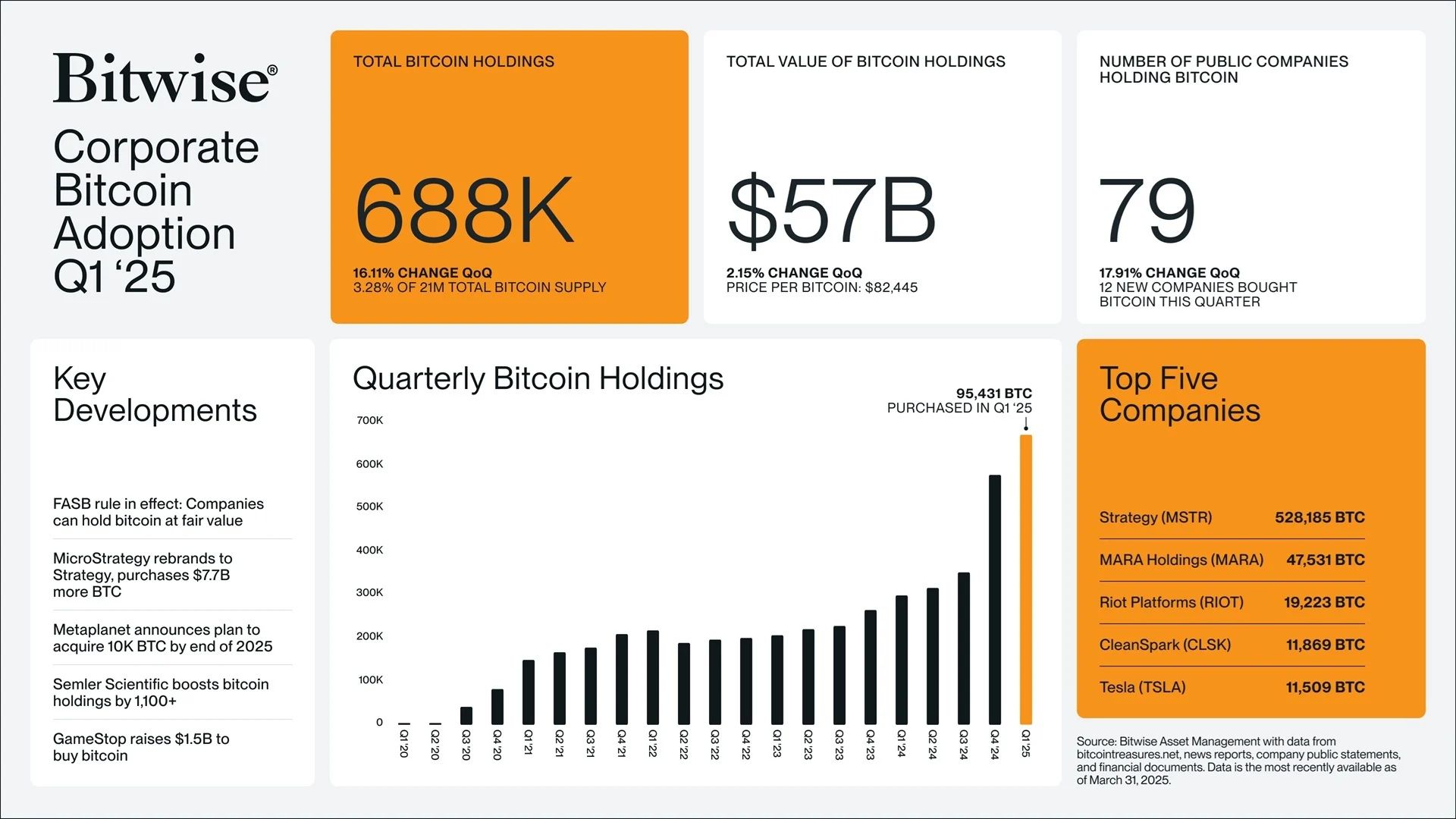
The decision by companies like Strategy to hold substantial bitcoin reserves reflects a broader corporate trend embracing cryptocurrency as a strategic balance sheet asset. Rather than viewing digital currency purely as a speculative investment, forward-thinking companies increasingly recognize bitcoin’s potential as a treasury asset that diversifies away from traditional cash and fixed-income instruments. This corporate adoption of BTC has accelerated particularly as major publicly-traded companies including MicroStrategy, Tesla, and others have successfully integrated bitcoin into their capital allocation strategies.
Companies hold bitcoin for various strategic reasons beyond mere speculation. Some view cryptocurrency as superior to cash for preserving value in inflationary environments, given bitcoin’s fixed supply and historical inflation hedge characteristics. Others position digital asset holdings as a signal to investors that management understands emerging technologies and positions the company for future economic paradigms. Additionally, holding bitcoin differentiates companies in markets where novelty and technological sophistication appeal to investors and customers. The corporate adoption of BTC has created interesting second-order effects where companies’ crypto holdings become material to overall equity valuations despite representing distinct asset classes from core business operations.
Valuation Implications and the “Sum of Parts” Analysis
The Strategy situation illustrates how investors conduct “sum of parts” valuations when companies hold material bitcoin reserves. Rather than viewing the company as a unified entity, sophisticated investors analyze the cryptocurrency holdings separately from operational businesses, then sum these values to arrive at estimated equity worth. If the resulting sum exceeds market capitalization—creating what investors call a discount to intrinsic value—it creates an attractive opportunity for value investors to profit from closing the gap.
However, the persistence of Strategy’s discount suggests the sum-of-parts analysis may overvalue the company despite accounting for bitcoin holdings. Perhaps investors rationally expect management to mismanage cryptocurrency assets, liquidating BTC at suboptimal prices or failing to adequately secure the digital holdings. Or perhaps the company’s operational business, separate from cryptocurrency, faces genuine distress that justify the equity discount. Understanding this dynamic requires examining whether the discount represents an opportunity or a warning about hidden risks that pure numerical analysis overlooks. The divergence between bitcoin price and company equity valuations creates a fascinating laboratory for understanding how markets process different asset types and risk factors.
Cryptocurrency Market Structure and Price Discovery
Exchange Dynamics and Trading Volume Distribution
The bitcoin price at $60,323 emerges from trading across multiple cryptocurrency exchanges operating globally with minimal regulatory coordination. This decentralized market structure creates interesting dynamics where BTC prices can diverge temporarily across different exchanges due to limited arbitrage, regulatory barriers, and liquidity concentrations. Major exchanges like Coinbase, Kraken, and Binance collectively process enormous cryptocurrency trading volumes, though precise price discovery varies based on where institutional and retail traders concentrate their activities.
Bitcoin’s price discovery increasingly reflects trading on regulated exchanges and through crypto derivatives markets including perpetual futures and options contracts. These derivatives markets allow sophisticated traders to express views about bitcoin’s direction with leverage, amplifying the impact of institutional trading decisions on digital currency prices. The maturation of cryptocurrency market infrastructure means BTC price movements increasingly follow patterns characteristic of traditional financial assets, responding to macro-economic data releases and central bank statements in ways early bitcoin markets did not. This professionalization of crypto trading supports current valuations like $60,323 by demonstrating that bitcoin responds rationally to economic fundamentals rather than purely to sentiment swings.
The Role of Speculation and Risk Management
While bitcoin fundamentals increasingly matter for price formation, speculation and risk management dynamics remain significant factors influencing cryptocurrency price movements. Leveraged traders, particularly those using crypto derivatives to express views with borrowed capital, amplify price swings when margin calls force position liquidations. When bitcoin price moves rapidly, traders forced to meet margin requirements sell positions simultaneously, accelerating downside moves. Conversely, when price declines create attractive entry points, bargain hunters step in, creating support levels. This dynamic ensures cryptocurrency markets retain higher volatility compared to traditional assets despite growing institutional participation.
Risk management considerations increasingly influence bitcoin trading patterns as institutions establish formal position sizing and hedging protocols. Rather than holding BTC speculatively, institutional traders often hedge their crypto holdings using derivatives to cap downside risk. This hedging activity can influence bitcoin price by creating structural demand for protective instruments. Additionally, companies holding digital assets on balance sheets—like Strategy—may hedge their crypto exposure to limit variance in reported earnings, creating additional structural demand for cryptocurrency hedging instruments. These risk management flows represent an increasingly important component of bitcoin price dynamics distinct from pure speculation.
Bitcoin’s Role in Portfolio Diversification and Risk Management
Correlation Characteristics and Portfolio Benefits
The bitcoin price trajectory and volatility patterns distinguish digital currency from traditional assets in ways that enhance portfolio diversification. BTC correlations with equities and bonds have historically remained low, meaning bitcoin price moves independently from stock and bond market dynamics. This low correlation creates portfolio diversification benefits—adding bitcoin to portfolios reduces overall portfolio volatility even if bitcoin itself exhibits substantial price swings. As institutional investors increasingly recognize these diversification benefits, cryptocurrency allocation to portfolios has accelerated, supporting demand for BTC at elevated prices like $60,323.
The diversification case for bitcoin holdings has strengthened as institutional research illuminates bitcoin’s characteristics as a distinct asset class. Unlike equities that benefit from corporate profitability or bonds that provide interest income, bitcoin derives value from scarcity, adoption, and network effects. This fundamentally different value proposition means BTC price movements often diverge from traditional assets, creating genuine diversification benefits. Financial advisors increasingly incorporate cryptocurrency allocation into balanced portfolios, typically recommending 1-5% exposure depending on investor risk tolerance. This institutional adoption of bitcoin allocations creates structural demand for digital currency independent of speculation, supporting current BTC prices.
Inflation Hedge Characteristics and Long-Term Value Storage
The bitcoin price appreciation from early 2023 lows to current $60,323 levels partly reflects successful positioning of BTC as an inflation hedge in investor portfolios. Historical analysis suggests bitcoin preserves purchasing power over long investment horizons despite high short-term volatility. During periods of elevated inflation, BTC price has typically appreciated, protecting investors from currency debasement that erodes returns from cash holdings. This inflation hedge narrative appeals particularly to long-term investors concerned about purchasing power loss from monetary expansion.
Companies like Strategy presumably embrace bitcoin holdings partly because of these inflation hedge characteristics. Rather than maintaining substantial cash balances subject to inflation erosion, cryptocurrency holdings provide strategic value preservation with upside optionality if bitcoin adoption accelerates. This long-term positioning of BTC as portfolio insurance against monetary instability contrasts sharply with speculative trading perspectives that focus on short-term price movements. The distinction between these investor types increasingly matters for understanding bitcoin price dynamics—long-term holders provide price support during market stress, while short-term traders amplify volatility. At $60,323, bitcoin has achieved a price point where both investment philosophies coexist, supporting relatively stable valuations despite underlying volatility.
Future Outlook: Bitcoin Price Projections and Market Scenarios
Bull Case Factors Supporting Higher Bitcoin Valuations
Multiple factors could support continued bitcoin price appreciation from current $60,323 levels toward new highs. Accelerating institutional adoption would increase structural demand for digital currency holdings as endowments, pension funds, and insurance companies allocate capital to cryptocurrency investments. Geopolitical tensions creating safe-haven demand would position BTC alongside traditional hedges, supporting prices through increased central bank and sovereign wealth fund interest. Technological developments including enhanced scalability solutions and institutional custody infrastructure could remove remaining barriers to mainstream adoption.
Additionally, potential monetary stimulus from global central banks facing economic slowdown would reinforce bitcoin’s narrative as an inflation hedge and alternative to negative-yielding cash. When real interest rates turn negative—inflation exceeding nominal interest rates—holding unproductive assets like digital currency becomes rational for investors seeking to preserve value. Companies like Strategy might justify enlarged bitcoin holdings within such scenarios, supporting the company’s strategic positioning even if current equity markets discount this strategy. The cryptocurrency market’s capacity to appreciate beyond current valuations depends substantially on whether macro-economic conditions favor the inflation and currency debasement narratives that support BTC demand.
Bear Case Risks and Downside Scenarios
Conversely, multiple factors could pressure bitcoin prices below current levels, potentially dragging cryptocurrency valuations substantially lower. Regulatory crackdowns on crypto trading or digital currency use could impair BTC liquidity and reduce institutional participation, reversing the adoption trends supporting current prices. Technological innovations creating superior alternatives to bitcoin’s first-mover advantage could undermine the network effects that justify digital currency valuations. Macro-economic developments including sustained monetary tightening and elevated real interest rates would reduce the attractiveness of unproductive assets like bitcoin, pressuring prices as investors favor yield-bearing alternatives.
Perhaps most significantly, evidence that bitcoin adoption is plateauing would undermine the growth narrative supporting current valuations. If cryptocurrency usage fails to expand beyond current levels and BTC becomes viewed purely as a speculative trading vehicle rather than an emerging payment system or store of value, valuation multiples could compress substantially. Companies holding bitcoin reserves—including Strategy—would face marking losses that harm reported earnings, potentially creating forced liquidation scenarios where institutional holders reduce crypto positions simultaneously, accelerating downside moves. The cryptocurrency market’s immaturity means tail risks remain significantly higher than in traditional markets, potentially creating scenarios where bitcoin prices revisit dramatically lower levels despite current institutional participation.
Conclusion
The bitcoin price at $60,323 represents a fascinating inflection point where growing institutional adoption, macro-economic uncertainty, and speculative enthusiasm converge to support valuations approximately 3.6 times higher than bitcoin’s previous bear market lows. This price level incorporates substantial institutional confidence in digital currency’s long-term value proposition while retaining the volatility characteristic of emerging asset classes. The cryptocurrency market has demonstrably matured beyond its pure speculation origins, incorporating institutional investors, regulated trading infrastructure, and diverse use cases that justify serious analysis rather than dismissal.
The diversification case for bitcoin holdings has strengthened as institutional research illuminates bitcoin’s characteristics as a distinct asset class. Unlike equities that benefit from corporate profitability or bonds that provide interest income, bitcoin derives value from scarcity, adoption, and network effects. This fundamentally different value proposition means BTC price movements often diverge from traditional assets, creating genuine diversification benefits. Financial advisors increasingly incorporate cryptocurrency allocation into balanced portfolios, typically recommending 1-5% exposure depending on investor risk tolerance. This institutional adoption of bitcoin allocations creates structural demand for digital currency independent of speculation, supporting current BTC prices.
