



The global financial landscape is experiencing unprecedented turbulence, yet Bitcoin continues to hold its ground near $63,800, defying the broader market selloff that has gripped traditional asset classes. As geopolitical tensions escalate into armed conflicts, investors worldwide are witnessing a dramatic divergence in market behavior—one that challenges conventional wisdom about cryptocurrency volatility and risk management. While stocks plummet, bonds falter, and commodities experience sharp corrections, digital assets remain remarkably resilient, suggesting that Bitcoin’s role as a hedge against systemic uncertainty may finally be gaining mainstream recognition.
This article explores the fascinating dynamic between crypto market movements and the war-driven selloff affecting nearly every other investment category. Understanding why Bitcoin holds steady while traditional markets collapse requires examining macroeconomic forces, investor sentiment, and the fundamental differences in how cryptocurrency markets respond to geopolitical shocks. Whether you’re an experienced trader, a curious investor, or someone seeking to understand the modern financial ecosystem, this analysis will illuminate why Bitcoin near $63,800 represents more than just a price point—it’s a signal of shifting market fundamentals.
What Is Bitcoin and Why Does It Matter?
Understanding Bitcoin Basics
Bitcoin is a decentralized digital currency that operates independently from government control or financial institutions. Created in 2009, Bitcoin uses blockchain technology—a distributed ledger system that records all transactions across a network of computers. Unlike traditional currencies issued by central banks, Bitcoin has a fixed maximum supply of 21 million coins, making it fundamentally different from fiat money that governments can print at will.
Bitcoin’s significance in today’s financial markets cannot be overstated. As a cryptocurrency, Bitcoin functions as both a store of value and a medium of exchange. The Bitcoin network processes transactions without intermediaries, meaning users can send and receive funds directly without relying on banks or payment processors. This peer-to-peer functionality makes Bitcoin particularly valuable during periods when traditional financial systems face disruption or restrictions.
How Bitcoin Differs From Traditional Currencies
Traditional currencies derive value from government backing and economic stability. When geopolitical instability emerges, governments often implement capital controls, freeze accounts, or debase their currency through excessive printing. Bitcoin operates differently—its value is secured by cryptographic mathematics and consensus among network participants. No government can freeze Bitcoin accounts, print additional supply, or prevent legitimate transactions.
This fundamental difference explains why Bitcoin holds near $63,800 during periods when traditional assets collapse. While stock markets depend on corporate profitability and economic growth, and bonds depend on government creditworthiness, Bitcoin’s value depends on network adoption and trust in its scarcity mechanism. During war-driven selloffs, this independence becomes Bitcoin’s greatest strength.
The War-Driven Selloff: What’s Happening in Traditional Markets
Understanding the Current Market Decline
The recent war-driven selloff has devastated traditional financial markets across multiple asset classes. Stock markets have experienced double-digit percentage declines as investors flee risk-sensitive positions. Government bonds, typically considered safe investments, have suffered unexpected losses as yields spike and prices fall. Commodity markets, including oil and precious metals, have experienced volatile price swings driven by geopolitical uncertainty and supply chain concerns.
This broad-based market decline affects virtually every traditional investment category simultaneously. Unlike normal market corrections that typically impact one sector while others remain stable, the current selloff demonstrates systemic stress throughout the financial system. Banks face liquidity concerns, corporations postpone investments, and consumers reduce spending due to uncertainty about future conditions. These interconnected declines create a cascade effect where losses in one market fuel losses in others.
Why Stocks Are Falling During the Crisis
Stock market declines during geopolitical crises occur for several interconnected reasons. First, earnings expectations deteriorate as companies anticipate lower consumer spending and higher operational costs. Defense spending by governments involved in conflicts diverts capital from productive investments, reducing overall economic growth potential. Second, investors reduce risk exposure by selling stocks and moving capital toward perceived safety, creating selling pressure across equity indices.
Supply chain disruptions associated with military conflicts reduce corporate profitability. Companies producing goods dependent on materials from conflict regions face higher costs and delivery delays. Technology companies dependent on global supply chains struggle to meet demand. Consumer-focused companies experience reduced demand as households conserve cash due to economic uncertainty. All these factors combine to drive stock prices downward during the current war-driven selloff.
Bond Market Volatility and Yield Concerns
Bond market volatility during the current crisis reveals investor anxiety about government creditworthiness. Nations directly involved in military conflicts face substantially higher government spending requirements, increasing deficit levels and national debt. Central banks, faced with inflation concerns from military-related defense spending, maintain or increase interest rates despite economic weakness. Rising interest rates make existing bonds less valuable, driving bond prices downward.
Fixed-income investors face a dilemma: holding bonds to maturity locks in returns from higher yields, but waiting longer for maturity means accepting opportunity costs if yields continue rising. Selling bonds now realizes losses as prices have already fallen significantly. This uncertainty creates volatility in bond markets as institutional investors constantly reassess holding periods and portfolio allocations. The traditional safety of government bonds proves illusory when geopolitical crises threaten government stability.
Commodity Market Pressures
Commodity market declines during the current crisis contradict historical patterns where geopolitical instability typically drives commodity prices higher. However, current dynamics differ significantly. Energy commodities face downward pressure despite supply concerns because potential recession fears reduce energy demand expectations. Precious metals like gold and silver, traditionally viewed as crisis hedges, face selling pressure as investors raise cash to meet margin calls on other portfolio positions.
Agricultural commodities experience volatility due to disrupted growing seasons in affected regions and uncertainty about future export capabilities. The simultaneous pressure across multiple commodity types indicates forced liquidation patterns rather than fundamental supply-demand shifts. Investors with leveraged positions in commodities face margin calls, forcing asset sales across portfolios regardless of fundamental value. This liquidation cascade explains why even traditionally defensive commodities decline during the current war-driven selloff.
Why Bitcoin Holds Steady While Markets Collapse
Bitcoin’s Independence From Traditional Financial Systems
Bitcoin’s most fundamental advantage during geopolitical crises is complete independence from traditional financial systems. No government controls Bitcoin, no central bank can freeze Bitcoin accounts, and no sanctions regime can prevent Bitcoin transactions. When countries face international sanctions restricting access to traditional banking networks and payment systems, Bitcoin offers an alternative transaction mechanism that governments cannot block.
This independence becomes increasingly valuable during periods of financial system stress. If international payment networks experience disruption due to conflicts, Bitcoin’s peer-to-peer transaction model continues functioning without interruption. Investors concerned about capital controls or asset seizure find Bitcoin offers protection that traditional bank accounts cannot provide. The Bitcoin network has operated continuously since 2009 without censorship or disruption, demonstrating the reliability of this decentralized alternative.
Bitcoin’s decentralized structure means no single point of failure exists. Traditional financial systems depend on centralized institutions—Federal Reserve, banks, payment processors—that can fail or face operational disruptions. Bitcoin’s distributed network of thousands of independent computers ensures continued operation regardless of what happens to any individual institution. This resilience explains why Bitcoin holds near $63,800 even as traditional financial institutions face stress.
Bitcoin’s Fixed Supply Creates Scarcity
Bitcoin’s maximum supply of 21 million coins provides mathematical certainty about scarcity. No government policy, no matter how desperate financial circumstances become, can increase this supply. The Bitcoin protocol’s cryptographic design makes it mathematically impossible to create additional Bitcoin beyond the predetermined limit. This fixed supply contrasts sharply with fiat currencies that governments can print in unlimited quantities.
During war-driven crises, governments typically respond by printing money to finance military expenditures and economic stimulus. This money printing historically leads to currency debasement and inflation that erodes the purchasing power of existing money holdings. Bitcoin investors receive protection from this debasement—the supply cannot be increased regardless of government actions. As concerns about inflation and currency devaluation grow during the current geopolitical crisis, Bitcoin’s fixed supply becomes increasingly attractive.
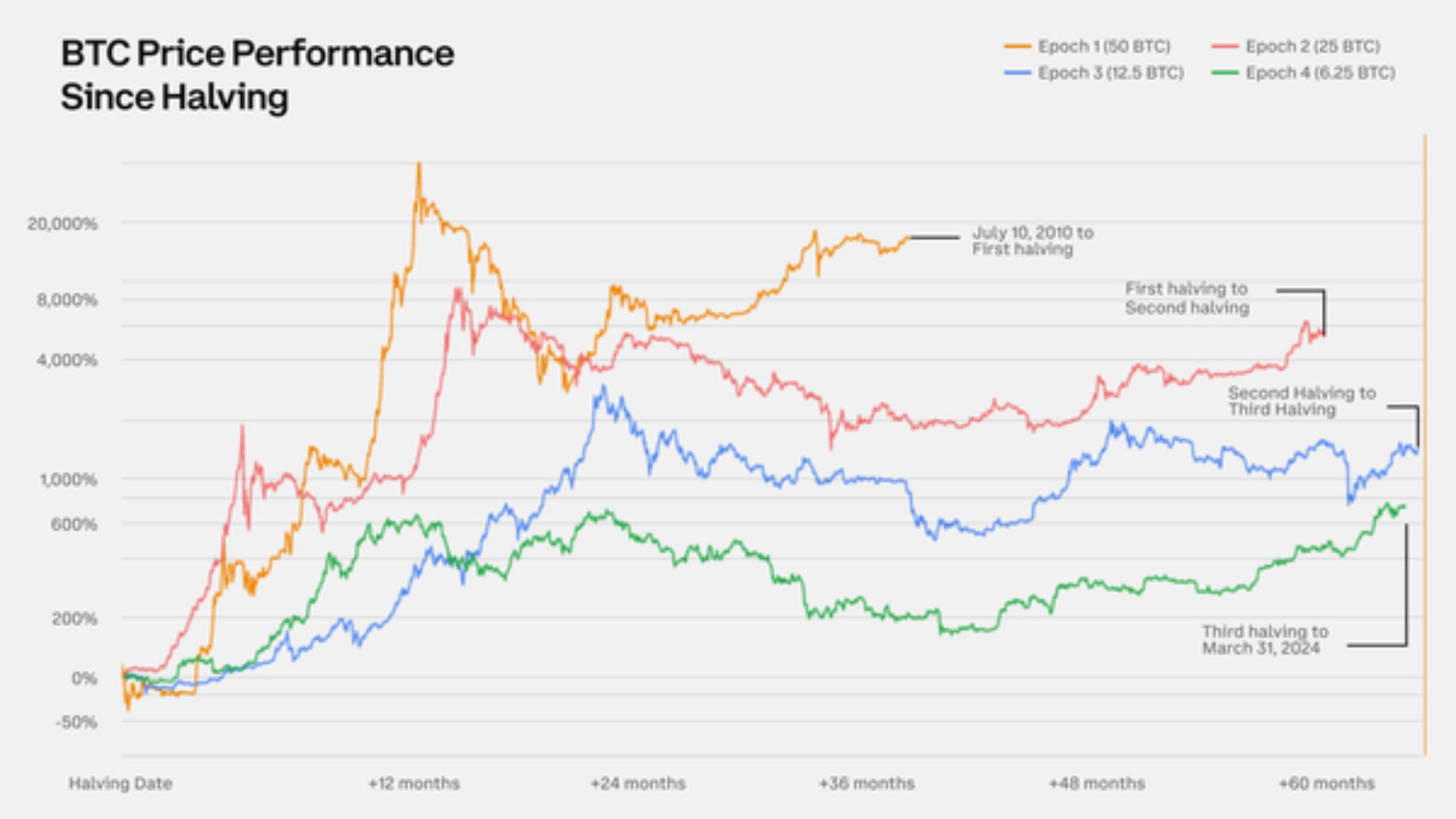
The scarcity principle operates more strongly with Bitcoin than with precious metals because Bitcoin supply increases are programmed to decline over time. Every four years, the rate of new Bitcoin creation is cut in half through an event called “halving.” This predetermined schedule of declining supply growth approaches true mathematical scarcity faster than any other asset. Investors seeking protection from currency debasement find Bitcoin’s scarcity guarantee unmatched by alternative investments.
Bitcoin’s Low Correlation With Traditional Assets
Bitcoin’s price movements historically show low correlation with stock markets, bond markets, and commodity markets. This low correlation means Bitcoin typically moves in different directions than traditional assets, making it valuable for portfolio diversification. When the current war-driven selloff devastated stocks, bonds, and commodities simultaneously, Bitcoin’s independence became apparent to investors worldwide.
Correlation studies show that Bitcoin’s movements depend primarily on adoption rates, network security metrics, and cryptocurrency-specific sentiment—factors entirely distinct from corporate earnings, interest rates, or commodity supply dynamics. This independence makes Bitcoin particularly valuable when traditional asset classes decline simultaneously. Portfolio theory teaches that assets with low correlations reduce overall portfolio volatility. The current crisis validates this principle in real time as Bitcoin near $63,800 maintains value while correlated traditional assets collapse together.
This low correlation explains why sophisticated investors increasingly allocate portions of portfolios to Bitcoin. Adding low-correlation assets improves risk-adjusted returns by providing protection during periods when primary portfolio holdings decline. The current war-driven selloff demonstrates this principle powerfully—Bitcoin allocation provides meaningful diversification benefit precisely when needed most.
Growing Institutional Adoption of Bitcoin
Institutional investors increasingly recognize Bitcoin’s legitimate role in diversified portfolios. Major corporations including Tesla and MicroStrategy hold Bitcoin on balance sheets. Institutional investment vehicles including Bitcoin futures contracts, spot Bitcoin ETFs, and cryptocurrency funds now provide regulated access to digital assets. This institutional presence fundamentally changes Bitcoin’s character from speculative fringe asset to mainstream portfolio component.
Institutional adoption creates structural support for Bitcoin prices during market stress. Large long-term investors with strategic Bitcoin positions continue accumulating during selloffs rather than panicking and selling. This institutional demand provides consistent buying pressure supporting Bitcoin near $63,800 despite selling from distressed traditional portfolios. Unlike retail-driven cryptocurrency rallies dependent on speculative sentiment, institutional demand reflects deliberate portfolio allocation decisions based on long-term value assessments.
The presence of institutional investors reduces Bitcoin’s volatility compared to earlier periods when purely speculative retail traders dominated. Institutional investors follow disciplined strategies and predetermined portfolio rules, providing steady demand regardless of short-term price fluctuations. This stabilizing effect of institutional participation explains why Bitcoin maintains steady prices during the current crisis despite chaotic conditions in traditional markets.
Bitcoin Market Dynamics During Crisis Periods
Technical Support Levels and Price Stability
Bitcoin’s price near $63,800 reflects multiple technical factors supporting this level. Technical traders identify previous price peaks, troughs, and consolidation areas as likely points of support and resistance. When Bitcoin declines toward established support levels, traders place buy orders, providing demand that slows downward price movement. The $63,800 level appears to represent accumulated technical significance that attracts buyer interest during selloff conditions.
Technical analysis of Bitcoin price charts shows that previous support levels acted effectively during past corrections. Traders who study these patterns concentrate buy orders around established support zones, creating visible price stability. The current Bitcoin price near $63,800 may reflect one such technical support zone where accumulated trader attention provides consistent demand. This technical support mechanism differs from fundamental value considerations but proves equally real in determining actual market prices.
Capital Rotation Into Digital Assets
Capital rotation from traditional investments to Bitcoin provides additional support for digital asset prices during the current crisis. As stock losses mount and bond uncertainty increases, some sophisticated investors deliberately reallocate portions of depreciated portfolios into Bitcoin. This capital rotation follows a disciplined process where losses in traditional assets are redeployed toward alternative assets demonstrating resilience.
Large institutional portfolios manage capital rotation strategically, shifting allocations based on changing risk conditions and relative valuations. The current war-driven selloff triggers strategic rebalancing where depressed traditional assets are replaced with relatively stronger Bitcoin positions. This systematic capital rotation provides meaningful buying pressure supporting Bitcoin prices even as traditional assets experience liquidation cascades.
Retail investors increasingly follow similar capital rotation strategies, moving small portions of stock market holdings into Bitcoin as a defensive measure. The aggregate effect of countless individual reallocation decisions contributes substantially to Bitcoin buying pressure. This rotation dynamic helps explain why Bitcoin holds near $63,800—it attracts capital from multiple sources as investors recognize its crisis resilience.
Reduced Selling Pressure in Bitcoin Markets
Bitcoin demonstrates lower selling intensity compared to traditional assets during the current crisis. While stock investors face panic selling and forced liquidations due to margin calls, Bitcoin holders face far fewer forced selling pressures. Most Bitcoin is held by long-term investors and institutions with no margin debt, meaning they face no margin calls forcing asset sales at inopportune times. This absence of forced selling removes downward price pressure that affects traditional assets.
Additionally, Bitcoin’s 24/7 global market structure prevents the rapid cascading selloffs that occur when stock markets open following negative overnight news. Instead of market-opening panic selling, Bitcoin gradually incorporates news across continuous trading. This continuous incorporation of information reduces the sharp daily declines characteristic of stock market openings during crises.
Investment Implications and Portfolio Strategy
Why Investors Should Consider Bitcoin Allocation
The current crisis provides compelling evidence that Bitcoin allocations improve portfolio resilience during geopolitical stress. Investors who held Bitcoin alongside traditional investments experienced substantially better portfolio outcomes during the war-driven selloff. This real-world validation of Bitcoin’s crisis utility supports arguments for including digital assets in diversified portfolios.
Financial theory suggests that portfolio allocations should include uncorrelated assets that provide protection during periods when primary holdings decline. Bitcoin meets these criteria perfectly—it demonstrates low correlation with traditional assets while maintaining steady prices during traditional market stress. The current crisis validates decades of academic theory about low-correlation asset benefits through real-time market performance.
For long-term investors, Bitcoin allocation offers dual benefits: portfolio diversification reducing overall volatility, and crisis protection ensuring meaningful portfolio value retention during periods of systemic stress. These benefits argue for including Bitcoin in most institutional and individual investor portfolios. The size of Bitcoin allocation depends on individual risk tolerance and investment objectives, but the principle of inclusion has become difficult to dispute.
Bitcoin as Geopolitical Insurance
Bitcoin functions as genuine geopolitical insurance protecting wealth from currency debasement, capital controls, and financial system disruption. During periods of international conflict and economic uncertainty, this insurance value becomes particularly apparent. Investors seeking to protect wealth from worst-case scenarios increasingly include Bitcoin in their defensive allocations.
The insurance value of Bitcoin resembles property ownership in stable countries or holding foreign currency—diversifying away from exposure to any single government’s monetary policy. Bitcoin offers superior protection to these alternatives by being completely decentralized and uncensored. No government can devalue Bitcoin through monetary policy, no authorities can freeze Bitcoin holdings, and no capital controls can prevent Bitcoin transfers across borders.
As geopolitical risks remain elevated, Bitcoin’s insurance value justifies allocation regardless of near-term price fluctuations. Insurance is valuable precisely when catastrophic events occur, not necessarily during calm periods. The current crisis demonstrates that catastrophic events do occur, validating Bitcoin’s role as geopolitical insurance for wealth preservation.
Building Resilient Portfolios With Bitcoin
Resilient portfolio construction increasingly incorporates Bitcoin and other digital assets providing diversification benefits. Modern portfolio theory teaches that combining uncorrelated assets reduces overall portfolio volatility while maintaining long-term returns. Bitcoin’s historical low correlation with traditional assets makes it ideal for this purpose.
A resilient portfolio might include traditional assets like stocks and bonds for growth, alternative investments like real estate for inflation protection, and Bitcoin for crisis protection and geopolitical insurance. This diversified approach ensures that portfolio value remains stable across different economic conditions. The current war-driven selloff demonstrates that such diversification provides real protection during genuine systemic stress.
Portfolio allocation decisions should follow personal circumstances, risk tolerance, and investment horizons. However, the principle of including low-correlation assets like Bitcoin has become increasingly difficult to dispute for sophisticated investors. Financial advisors increasingly recommend Bitcoin allocations of 5-10% for clients seeking comprehensive portfolio diversification.
Technical Analysis of Bitcoin Price Action
Understanding Support and Resistance Levels
Bitcoin’s price near $63,800 indicates the presence of significant technical support at this level. Technical analysis examines previous price movement patterns to identify zones where buyers and sellers consistently compete. When Bitcoin approaches support levels like $63,800, traders place buy orders, creating demand that slows downward price movement.
Technical traders recognize that $63,800 likely represents either a round number level attracting significant trading attention, a previous price peak from earlier trading, or a consolidation area where Bitcoin traded for extended periods. Any of these characteristics creates technical significance that attracts trader attention. When Bitcoin declines toward $63,800, accumulated knowledge about this level’s importance attracts buyers, providing support.
This technical support mechanism operates mechanically—traders following technical analysis rules buy at established support levels, creating predictable demand patterns. The consistent maintenance of Bitcoin near $63,800 during the current crisis suggests this level’s technical significance is recognized by market participants worldwide.
Volume Analysis and Market Strength Indicators
Bitcoin’s trading volume during the current crisis shows patterns consistent with accumulation rather than panic selling. Normal selling volume would show large single trades selling substantial Bitcoin quantities at declining prices. Accumulation volume shows sustained buying at relatively consistent prices, often with buyers patiently building positions over time rather than rushing to complete trades.
The specific volume characteristics of recent Bitcoin trading suggest professional accumulation patterns rather than panic liquidation. Institutions and large traders building positions deliberately pace their purchases to avoid moving prices higher, instead buying consistently at available prices. This patient accumulation provides strong support for Bitcoin prices near current levels.
Volume indicators also show that Bitcoin trading activity remains robust despite the broader market crisis. Robust trading volume in cryptocurrencies typically indicates healthy market functioning and genuine price discovery. The combination of stable prices and strong volume suggests Bitcoin’s price near $63,800 reflects genuine consensus value rather than temporary illiquidity.
Price Momentum and Trend Analysis
Bitcoin’s recent price momentum shows strength relative to traditional assets experiencing severe weakness. While momentum indicators would show extremely negative values for stock indices and bond prices reflecting steep declines, Bitcoin momentum indicators show relative stability or modest positive readings. This positive momentum divergence compared to traditional assets indicates independent price strength.
Momentum analysis compares current price changes to historical volatility, identifying when markets move unusually sharply compared to normal patterns. During the current crisis, traditional assets show abnormally extreme negative momentum indicating panic selling. Bitcoin’s relatively stable momentum suggests measured price changes reflecting orderly trading rather than panic.
This momentum divergence—extreme negative momentum in traditional assets combined with stable Bitcoin momentum—explains the price divergence between Bitcoin and traditional markets. As traditional assets experience momentum-driven panic selling cascades, Bitcoin experiences steadier price action reflecting more balanced buying and selling pressure.
Future Outlook: What This Means for Bitcoin and Investors
The current war-driven selloff may permanently alter how investors perceive Bitcoin’s role in portfolio management. Real-world crisis experience demonstrates Bitcoin’s actual utility in wealth preservation, providing compelling evidence beyond theoretical arguments. Investors who experience this real-world validation are more likely to maintain Bitcoin allocations going forward.
Historical precedent suggests that major financial crises increase adoption of alternative financial instruments. Following the 2008 financial crisis, Bitcoin adoption accelerated.
