



When an American Bitcoin company announces a $57.2M loss, it might seem like bad news on the surface. However, the complete story reveals something far more nuanced about corporate Bitcoin strategy and long-term cryptocurrency investment philosophy. This situation highlights a critical distinction that many investors misunderstand: Bitcoin losses on paper don’t necessarily reflect poor decision-making, especially when a company simultaneously grows its BTC holdings.
The American company Bitcoin story unfolding right now provides valuable insights into how sophisticated organizations approach digital asset management. Understanding this narrative matters because it challenges conventional wisdom about profit and loss reporting, reveals institutional confidence in Bitcoin’s future, and demonstrates why major corporations continue accumulating Bitcoin despite market volatility.
The $57.2M Bitcoin Loss Announcement
The announcement of a $57.2M loss related to Bitcoin requires proper context to understand its true significance. When American companies report cryptocurrency losses, these figures typically reflect the difference between the Bitcoin purchase price and the current market value at the time of financial reporting.
What Caused the $57.2M Cryptocurrency Loss
Bitcoin losses emerge primarily through fair-value accounting adjustments. When a company holds Bitcoin on its balance sheet, accountants must record the asset at its current market value each reporting period. If Bitcoin price declines between reporting periods, the company must record an impairment charge — essentially writing down the value of its cryptocurrency holdings.
This accounting mechanism means that a $57.2M loss doesn’t necessarily indicate that the company sold Bitcoin at a loss. Instead, it reflects how much the market value of its existing Bitcoin holdings decreased during that specific reporting period. The company likely still owns the same amount of Bitcoin or potentially even more BTC.
The Distinction Between Realized and Unrealized Losses
Understanding Bitcoin accounting requires grasping an important distinction: realized losses versus unrealized losses. A realized loss occurs when you sell an asset for less than you paid. An unrealized loss occurs when an asset you own declines in value, but you haven’t sold it.
The $57.2M loss announced by this American Bitcoin company is almost certainly an unrealized loss. This matters enormously because unrealized losses don’t represent actual cash outflows. They’re accounting entries reflecting cryptocurrency price declines. If Bitcoin subsequently recovers in value, this loss could reverse, and the company might later record a gain.
This distinction reveals why the company continues holding and even growing its BTC stack despite the reported loss. Management apparently believes Bitcoin’s long-term value potential justifies maintaining or increasing cryptocurrency exposure, regardless of short-term price fluctuations that create temporary accounting losses.
Why Companies Grow Bitcoin Holdings Despite Losses
Long-Term Bitcoin Strategy and Buy-the-Dip Philosophy
The fact that an American company Bitcoin operation grows its BTC stack while simultaneously reporting large losses reveals sophisticated understanding of cryptocurrency markets. This corporate behavior mirrors a strategy known as “buy the dip” — purchasing additional Bitcoin when prices decline.
From a long-term Bitcoin investment perspective, lower prices represent opportunity, not disaster. When Bitcoin price falls, acquiring the same quantity of BTC costs less capital. Companies with strong balance sheets and conviction in Bitcoin’s long-term value proposition view cryptocurrency dips as opportunities to strengthen their holdings.
This strategy assumes that Bitcoin will appreciate significantly over multi-year timeframes. If management is correct in this belief, then buying Bitcoin during downturns — even while reporting temporary losses — creates substantial long-term value for shareholders.
Institutional Confidence in Bitcoin’s Future
When a major American Bitcoin company grows its cryptocurrency position despite unfavorable short-term price movements, it signals something important: institutional confidence in Bitcoin’s future direction. Companies don’t typically increase positions in assets they expect to decline further.
This corporate Bitcoin behavior provides a bullish signal to cryptocurrency markets. It suggests that sophisticated actors with deep resources and analytical capabilities remain convinced that Bitcoin will significantly appreciate. If these companies expected further cryptocurrency declines, they would reduce holdings and lock in losses while attempting to exit positions.
Instead, the opposite is occurring. This American Bitcoin company’s decision to grow its BTC stack despite current losses reflects conviction that today’s Bitcoin prices, while creating temporary accounting losses, represent attractive entry points for long-term accumulation.
Balance Sheet Strength Enables Patience
Companies with strong financial positions can afford patience regarding Bitcoin holdings. When a firm has substantial cash reserves and operational profitability, temporary cryptocurrency losses don’t threaten business viability. This financial strength enables patient capital — the ability to hold Bitcoin through multiple complete market cycles without panic selling.
This patient capital approach contrasts sharply with retail investors who often must sell cryptocurrency during downturns due to personal financial pressures. Large corporations with multi-billion dollar balance sheets can sustain unrealized losses indefinitely while waiting for Bitcoin appreciation.
The Accounting Impact of Bitcoin Holdings
How Bitcoin Fair-Value Adjustments Affect Financial Statements
Understanding American Bitcoin company financials requires grasping how cryptocurrency accounting works. Under current accounting standards, companies must adjust Bitcoin valuations to fair market value each reporting period.
When Bitcoin price increases, companies record gains that improve bottom-line profitability. Conversely, when Bitcoin price declines, companies must record impairment charges that reduce reported earnings. This mark-to-market accounting creates volatility in corporate earnings reports whenever Bitcoin experiences significant price movements.
The $57.2M loss reported by this American Bitcoin company reflects exactly this mechanism. During the reporting period, Bitcoin experienced a price decline. This cryptocurrency decline translated directly into an accounting loss for any company holding Bitcoin on its balance sheet.
Why Unrealized Losses Don’t Indicate Poor Strategy
Many investors misinterpret Bitcoin losses reported in corporate earnings as evidence of poor decision-making. This interpretation misses a crucial point: accounting losses and business mistakes are entirely different concepts.
A company might report a $57.2M cryptocurrency loss while simultaneously executing brilliant strategy. The loss simply reflects Bitcoin price volatility during a specific reporting period. The strategy — growing BTC holdings despite short-term losses — might prove highly valuable if Bitcoin subsequently appreciates.
Consider a parallel example: if you purchased Bitcoin at $60,000, watched it decline to $40,000 (creating a $20,000 unrealized loss), then purchased additional Bitcoin at $40,000, you’d have both realized a loss (on paper) and made a smart long-term decision. These outcomes aren’t contradictory; they’re complementary.
Corporate Bitcoin Accumulation as Market Indicator
What Growing BTC Holdings Reveal About Market Psychology
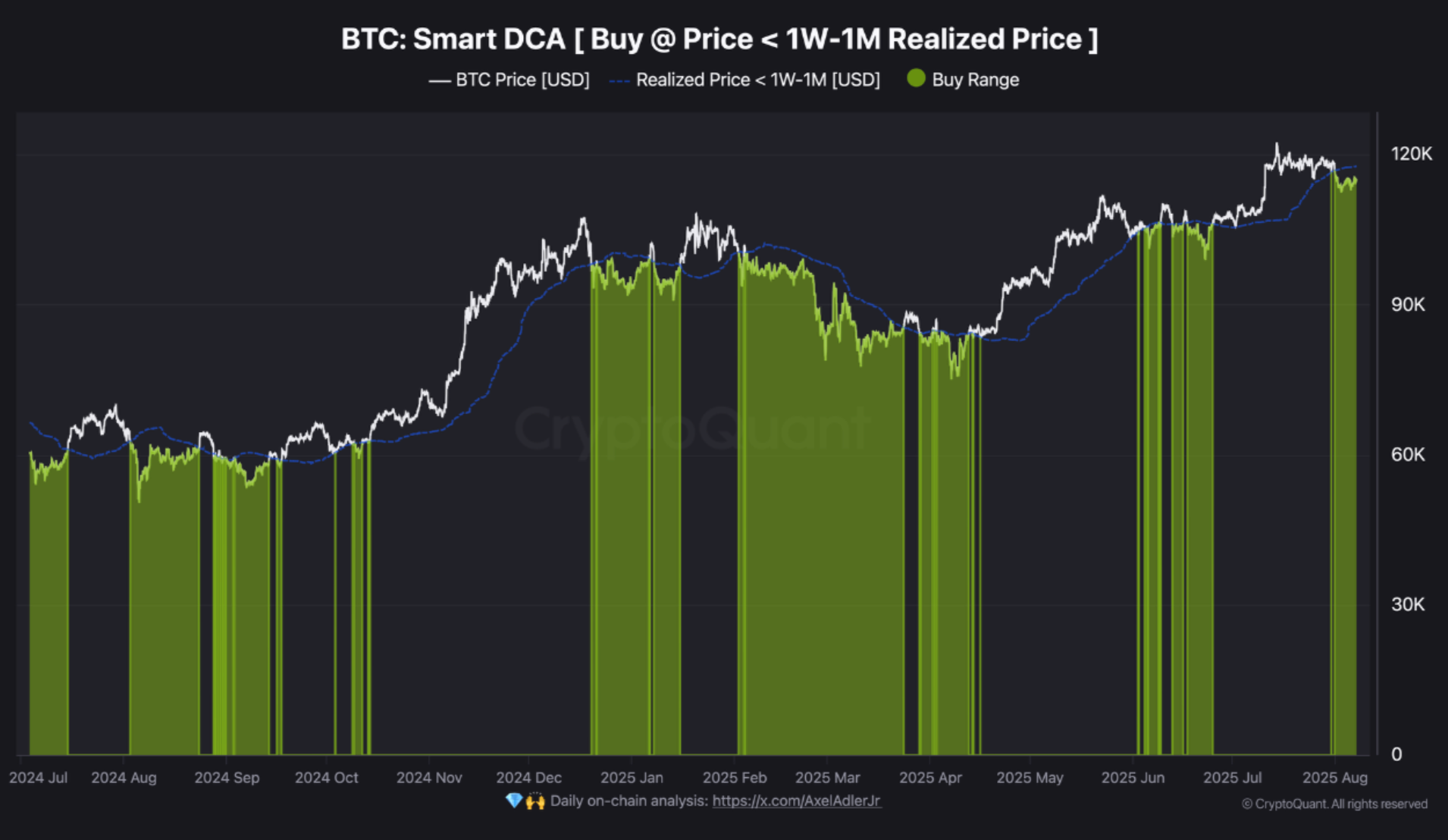
When an American Bitcoin company grows its cryptocurrency position during price declines, it provides valuable insight into professional market sentiment. This corporate behavior indicates that informed, well-capitalized investors believe Bitcoin offers attractive value at current price levels.
Bitcoin accumulation by major institutions and corporations often precedes significant price recovery. When sophisticated money enters cryptocurrency markets during weakness, it frequently signals that the worst of the downturn has passed. These large buyers have analyzed Bitcoin fundamentals extensively and determined that current prices offer compelling opportunities.
This institutional Bitcoin accumulation dynamic has played out repeatedly throughout cryptocurrency history. Major companies and investors who accumulated Bitcoin during weakness periods typically realized substantial gains as Bitcoin price recovered and reached new highs.
The Significance of Continued Buying During Weakness
The specific detail that this American Bitcoin company grows its BTC stack despite reporting losses carries extraordinary significance. This action demonstrates that management views current Bitcoin valuations as attractive relative to long-term price potential.
If this company is correct in its assessment, then shareholders will eventually benefit significantly from this Bitcoin accumulation strategy. The temporary $57.2M loss will become a rounding error compared to eventual gains if Bitcoin appreciates substantially over the next several years.
Conversely, if Bitcoin continues declining, then this company’s decision to grow holdings during weakness will prove mistaken. However, the company’s management apparently believes the upside potential significantly outweighs downside risks — a bullish assessment worth noting.Bitcoin as Corporate Treasury Asset
The Shift Toward Bitcoin Holdings in Corporate Finance
Over the past several years, a significant shift has occurred in corporate finance philosophy. Traditionally, companies maintained cash reserves through bank accounts and short-term treasury investments. Increasingly, American companies Bitcoin holdings have become part of legitimate corporate treasury strategy.
This shift reflects several factors: concerns about currency debasement through excessive monetary creation, recognition of Bitcoin’s unique properties as digital gold, and demonstration by early-adopter companies that Bitcoin holdings can create shareholder value over multi-year periods.
When a company holds Bitcoin as a treasury asset, it’s making a statement about long-term monetary outlook. The company is essentially betting that Bitcoin will maintain or increase purchasing power relative to fiat currency over extended timeframes. This corporate stance on Bitcoin reflects broader concerns about inflation and currency stability that resonate with sophisticated investors.
Balance Sheet Strength Through Bitcoin Holdings
Corporate Bitcoin accumulation can actually strengthen a company’s long-term balance sheet if Bitcoin appreciates significantly. While temporary unrealized losses create accounting headaches, they don’t reflect economic reality if Bitcoin’s long-term trajectory remains upward.
A company that purchased Bitcoin at an average price of $50,000 and currently holds BTC worth $40,000 has a $10,000 unrealized loss per Bitcoin. However, if Bitcoin subsequently appreciates to $100,000, that same Bitcoin creates a $50,000 gain relative to purchase price. The temporary loss becomes insignificant.
This long-term perspective on Bitcoin holdings explains why American Bitcoin companies continue accumulating despite short-term losses. Management is betting on multi-year Bitcoin appreciation that will dwarf temporary accounting losses created by price volatility.
Market Sentiment and Bitcoin Price Implications
What This Loss Announcement Reveals About Market Conditions
When major American companies Bitcoin positions generate losses, it typically indicates we’re in a bear market phase for cryptocurrency. During Bitcoin bear markets, prices decline significantly, creating unrealized losses for any company holding BTC.
However, the market timing implications of this announcement matter less than the company’s response to it. By growing its Bitcoin holdings despite unfavorable near-term prices, the company signals that it expects bear market to eventually reverse. This corporate sentiment often precedes market recovery by several months.
Institutional Positioning During Cryptocurrency Downturns
Institutional Bitcoin accumulation during market weakness has become a reliable market indicator. When large, well-informed investors increase cryptocurrency positions despite near-term losses, they’re essentially voting on Bitcoin’s long-term value.
This voting with capital matters because these institutions have dedicated research teams, sophisticated analysis capabilities, and substantial financial resources. They’re not making Bitcoin decisions based on emotion or media headlines. Instead, they’re deploying capital based on rigorous fundamental analysis.
When such institutional actors accumulate Bitcoin during weakness, retail investors should pay attention. It suggests that professional assessment of Bitcoin’s long-term prospects remains strongly positive despite current price weakness creating temporary losses.
Future Implications of Growing Bitcoin Holdings
Scenarios for Bitcoin Price Recovery
The American Bitcoin company’s decision to grow its BTC stack despite $57.2M losses makes sense only if management expects Bitcoin to appreciate significantly. Several scenarios could validate this strategy:
First, macroeconomic conditions might force central banks to maintain loose monetary policy despite inflation, supporting Bitcoin as inflation hedge. Second, regulatory clarity might finally arrive, removing uncertainty and triggering institutional capital inflows. Third, adoption acceleration could drive Bitcoin demand from corporations, governments, and individuals. Fourth, technology improvements and infrastructure development could enhance Bitcoin’s utility and appeal. Any of these scenarios could trigger substantial Bitcoin price appreciation that transforms the current $57.2M loss into a multi-hundred million dollar gain within several years.
Long-Term Shareholder Value Creation
If Bitcoin appreciates to significantly higher price levels — which company management apparently believes will occur — then today’s $57.2M loss will seem trivial compared to cryptocurrency gains eventually realized.
Consider that Bitcoin has appreciated from sub-$1 in its earliest days to multi-thousand dollar values today. Companies and individuals who accumulated Bitcoin during early bear markets created extraordinary shareholder value. Current BTC holdings by this American company Bitcoin operation might follow a similar trajectory.The American Bitcoin company’s willingness to grow holdings despite temporary losses reflects confidence that long-term gains will substantially exceed short-term accounting losses.
Conclusion
The story of an American Bitcoin company reporting a $57.2M loss while simultaneously growing its BTC stack reveals sophisticated understanding of corporate treasury management, cryptocurrency markets, and long-term value creation. The temporary loss is purely an accounting matter reflecting short-term Bitcoin price volatility, while the growing holdings reflect management conviction in Bitcoin’s long-term value appreciation.
This corporate Bitcoin strategy demonstrates that major institutions distinguish between short-term price movements creating unrealized losses and long-term investment fundamentals supporting BTC accumulation. By continuing to purchase Bitcoin despite unfavorable near-term prices, the company signals that it believes current cryptocurrency valuations offer attractive opportunities for patient capital.
Investors watching this American Bitcoin company situation should recognize it as a bullish signal. When sophisticated, well-capitalized actors increase cryptocurrency exposure during market weakness, they’re voting on Bitcoin’s long-term prospects with real capital. This institutional positioning often precedes market recovery and significant price appreciation.
The $57.2M loss will eventually fade into irrelevance if Bitcoin appreciates substantially over coming years. Meanwhile, the growing Bitcoin holdings may prove to be one of the company’s most valuable strategic decisions. Understanding this distinction separates sophisticated cryptocurrency investors from those confused by accounting losses and short-term volatility.
