


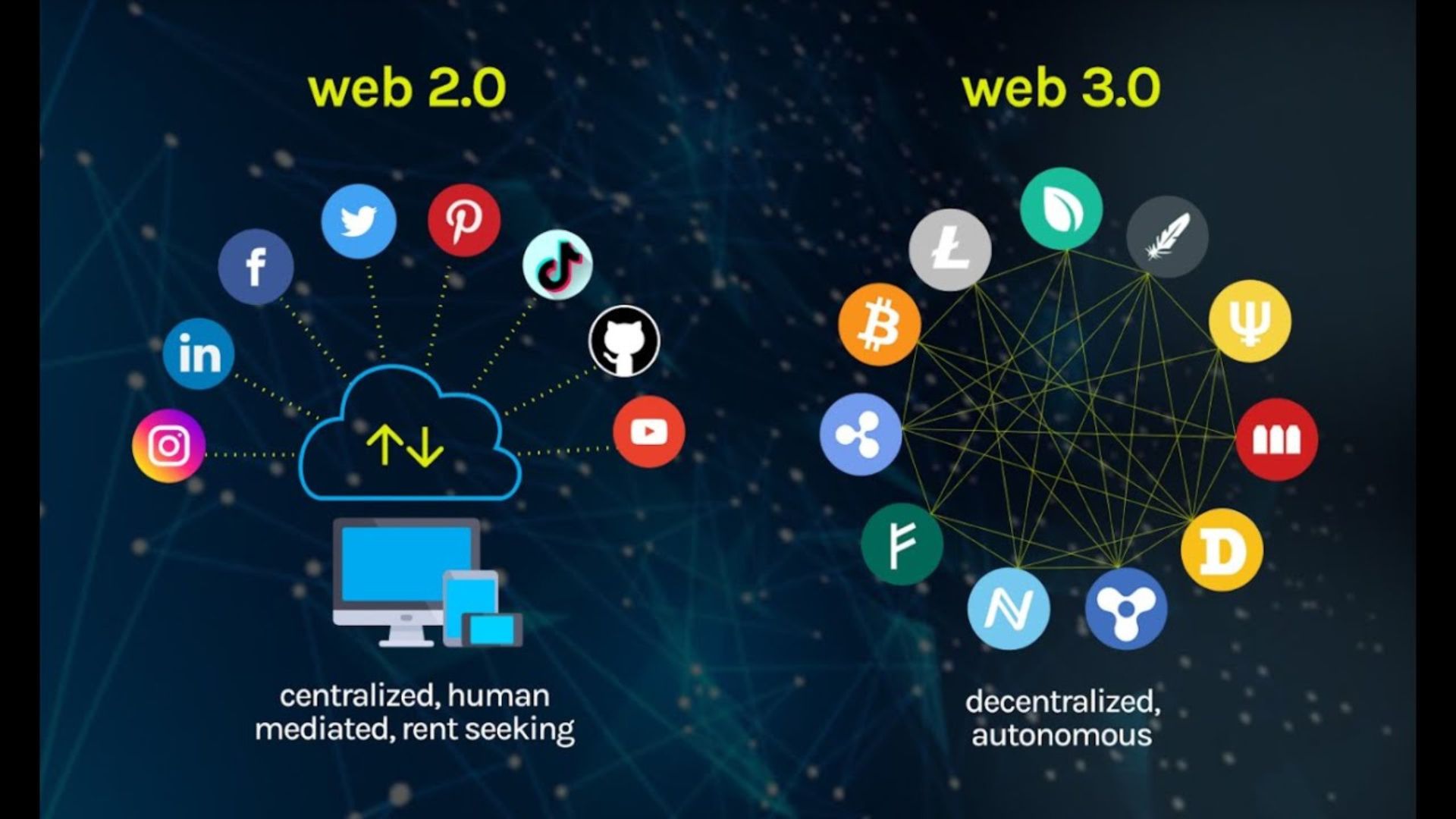
The internet as we know it is undergoing a fundamental transformation. For decades, the web has been dominated by centralized platforms controlled by a handful of massive technology corporations that collect vast amounts of user data, determine content algorithms, and extract enormous profits from digital interactions. However, a new vision for the internet’s future is emerging—one based on decentralization, user ownership, and transparent protocols. This revolutionary paradigm is called Web3, and it represents the next major evolution of how we’ll interact online.
Web3 is fundamentally about shifting power away from centralized corporations and placing it into the hands of users, developers, and communities. Unlike the current web2 internet, which relies on centralized servers and proprietary platforms, Web3 technology leverages blockchain networks, smart contracts, and decentralized protocols to create an internet where users maintain ownership of their data, digital assets, and online identities. Understanding what Web3 is and why it matters is essential for anyone seeking to comprehend the technological landscape of the coming decades.
Web3: Breaking Down the Evolution of the Internet
The Web1 Era: Read-Only Internet
To fully appreciate Web3, we must first understand the evolution of the internet that preceded it. Web1, which emerged in the early 1990s and dominated through the early 2000s, was fundamentally a read-only internet. Users could access information published by organizations, institutions, and governments, but interaction capabilities were extremely limited. Websites were static pages of text and images, and the user experience primarily involved browsing and consuming content created by established entities.
Web1’s defining characteristic was decentralization—the early internet operated through distributed networks of computers and servers with no single controlling entity. However, Web1 lacked the tools for meaningful user participation in content creation or digital commerce, making it largely a one-way communication medium.
The Web2 Era: Centralized Platforms and User-Generated Content
Web2, which emerged in the mid-2000s and continues dominating today, fundamentally changed how we use the internet. The rise of social media platforms, cloud computing, and mobile applications enabled unprecedented user participation and content creation. Suddenly, anyone could start a blog, share photos, create videos, and connect with billions of people globally. Web2 platforms like Facebook, YouTube, Twitter, Instagram, and TikTok became the digital infrastructure of modern life, enabling genuine peer-to-peer communication and user-generated content at massive scale.
However, this centralization around massive platforms came with significant costs. These companies collected detailed information about users’ behaviors, preferences, locations, and social connections. They then used this data to sell targeted advertising, determine which content users see, influence purchasing decisions, and shape public discourse. Users generated the value through their participation and content creation, but the platforms captured most profits and maintained exclusive control over data and algorithms.
Web3: Decentralized, User-Owned Internet
Web3 represents the next evolutionary stage of the internet, combining the decentralization of Web1 with the user participation and interactive capabilities of Web2. However, Web3 fundamentally differs in that users maintain ownership of their data, digital assets, and online identities through cryptographic security rather than relying on centralized platforms. Decentralized protocols powered by blockchain technology enable peer-to-peer transactions, direct value exchange, and user control without requiring intermediaries.
Web3’s core promise is simple: you should own your digital identity, your data, your creative works, and the value you generate online. Rather than platforms extracting profits while controlling user information, Web3 systems enable individuals to directly monetize their contributions while maintaining privacy and data ownership.
Core Technologies Powering Web3
Blockchain: The Foundation of Decentralization
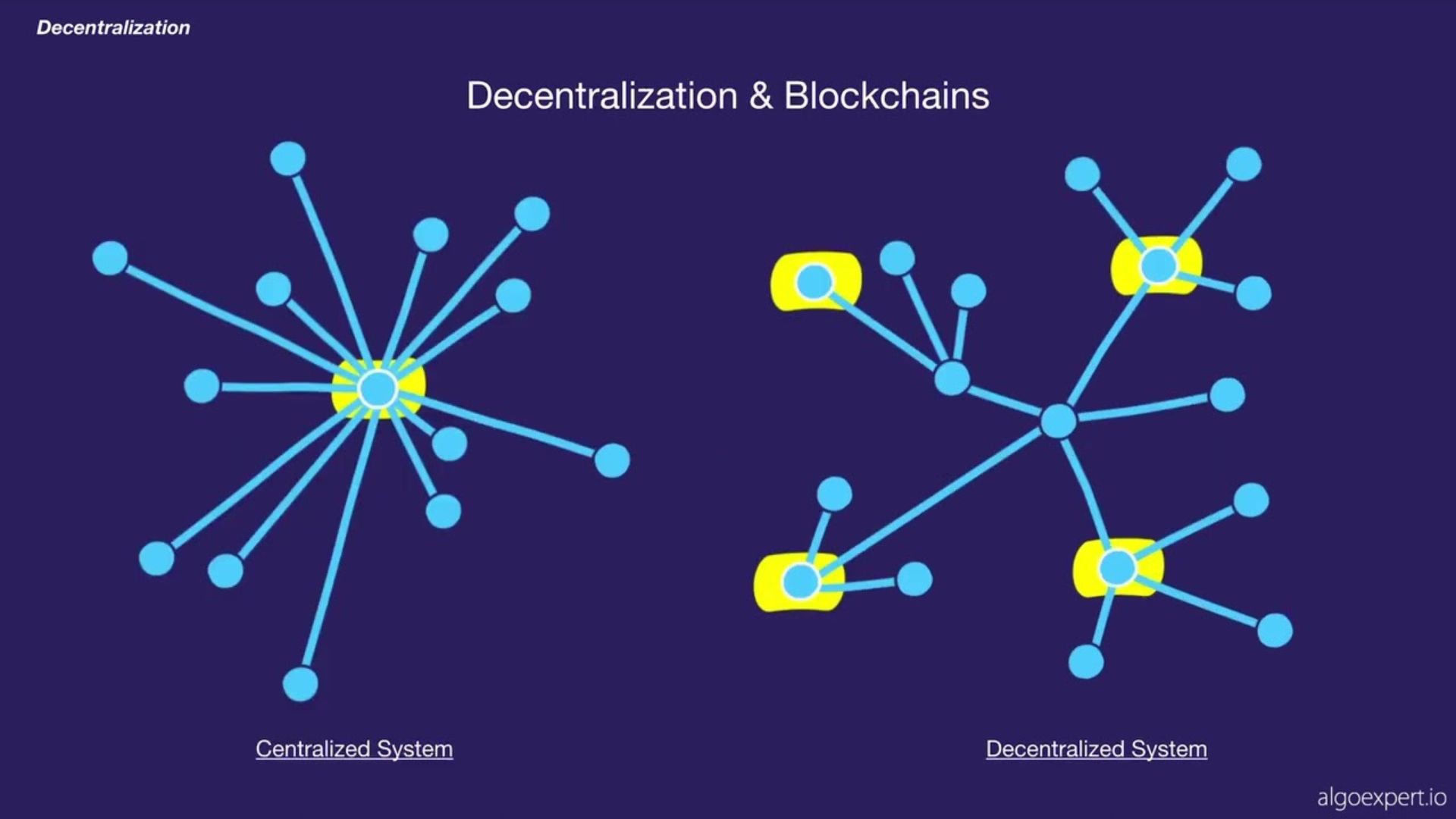
Blockchain technology is the essential foundation enabling Web3’s decentralized vision. A blockchain is a distributed ledger—essentially a database maintained simultaneously across thousands of computers or nodes worldwide, with no single entity controlling it. Each block in the chain contains cryptographic records of transactions, and consensus mechanisms ensure that all nodes agree on the ledger’s current state before new blocks are added.
The genius of blockchain is that it solves a historically difficult computer science problem: consensus without centralization. Previous technologies required a trusted central authority to prevent double-spending (using the same digital asset twice) or fraudulent transactions. Blockchain networks eliminate this requirement through cryptographic mathematics and distributed consensus mechanisms, allowing peer-to-peer transactions without intermediaries.
The most famous blockchain is the Bitcoin network, created in 2009 by the pseudonymous Satoshi Nakamoto. However, subsequent blockchains like Ethereum expanded blockchain capabilities far beyond simple monetary transactions, enabling complex programmable contracts and decentralized applications.
Smart Contracts: Programmable Trust
Smart contracts are self-executing programs running on blockchain networks, automatically enforcing agreement terms without requiring intermediaries. Written in specialized programming languages like Solidity on Ethereum, smart contracts define the rules governing digital interactions and automatically execute when conditions are met.
For example, a smart contract could automatically transfer ownership of a digital asset once payment is received, eliminate the need for escrow services. Another smart contract might automatically distribute royalties to multiple creators whenever digital content is purchased. These programmable agreements dramatically expand what’s possible with decentralized systems, enabling automated transactions, investment protocols, and governance mechanisms that function without human intermediaries.
Cryptography and Digital Ownership
Cryptography—the mathematical science of encoding and securing information—is essential to Web3’s promise of digital ownership. Modern cryptographic systems use public-key cryptography, where each user maintains two cryptographic keys: a public key (which anyone can access) and a private key (which only the user possesses).
This cryptographic system enables genuine digital ownership because only the holder of the private key can authorize transactions or asset transfers. Unlike digital files on Web2 platforms (which the platform company technically controls), cryptographically secured digital assets on blockchain networks genuinely belong to whoever controls the private key. This ownership model fundamentally changes the relationship between users and digital platforms.
Key Components and Concepts of Web3
Cryptocurrency and Digital Value Transfer
Cryptocurrencies like Bitcoin, Ethereum, and thousands of alternative tokens represent the first application of Web3 technology—peer-to-peer digital currency that enables value transfer without banks or payment processors. However, cryptocurrencies are far more than speculative investments. They represent a foundational innovation: programmable money that can be transferred globally instantly without financial intermediaries.
Stablecoins, cryptocurrency tokens that maintain relatively stable values by being backed by fiat currencies or tangible assets, address cryptocurrency’s volatility, making digital currencies practical for everyday transactions. Layer 2 solutions like Lightning Network and Polygon enable cryptocurrency transactions at scale with minimal fees.
Decentralized Autonomous Organizations (DAOs)
Decentralized Autonomous Organizations, commonly called DAOs, are organizations governed by smart contracts and token holders rather than traditional corporate hierarchies. DAO members vote on proposals using governance tokens, and smart contracts automatically execute community decisions regarding fund allocation, protocol changes, and strategic direction.
DAOs represent a radical reimagining of organizational structure, enabling communities to coordinate action without centralized leadership. From investment DAOs that collectively manage cryptocurrency portfolios to creator DAOs that support artists, to protocol DAOs that govern blockchain networks, these decentralized organizations demonstrate how Web3 technology enables new forms of human coordination.
Non-Fungible Tokens (NFTs) and Digital Ownership
Non-Fungible Tokens, or NFTs, are blockchain-based digital assets representing ownership of unique items—whether digital art, collectibles, real estate, or intellectual property rights. Unlike cryptocurrencies where each unit is identical, each NFT is cryptographically unique, enabling genuine digital scarcity and ownership verification.
NFTs solved a fundamental problem in the digital economy: how to establish authentic ownership of digital assets that can be endlessly copied. By recording ownership on a blockchain, NFTs enable creators to sell digital works knowing purchasers hold cryptographic proof of ownership, creating new economic opportunities for digital artists, musicians, writers, and content creators.
Web3 Wallets: Your Digital Identity and Asset Custodian
Web3 wallets are software applications that store cryptographic keys and enable users to interact with blockchain networks. Unlike bank accounts (which banks control and can restrict access to), Web3 wallets give users complete control over their digital assets and cryptocurrency holdings. Popular wallets include MetaMask, Phantom, Ledger, and Coinbase Wallet.
Web3 wallets serve as your digital identity across blockchain applications. Instead of creating separate accounts for each Web3 application, you use your wallet to authenticate and interact with decentralized applications, proving ownership of assets and digital identity without revealing personal information.
Real-World Applications and Use Cases of Web3
Decentralized Finance (DeFi) and Financial Services
Decentralized Finance, or DeFi, comprises financial applications built on blockchain networks that provide banking services without traditional banks. DeFi protocols enable cryptocurrency lending, borrowing, trading, and investment directly between users through smart contracts.
DeFi eliminates costly financial intermediaries, dramatically reducing transaction costs and increasing financial accessibility. Users in countries with limited banking infrastructure can access financial services via DeFi protocols using only internet connectivity. However, DeFi also presents risks including smart contract vulnerabilities, market volatility, and regulatory uncertainty.
Creator Economy and Digital Content Ownership
Web3 technology is revolutionizing how creators monetize their work. Platforms like SuperRare, Foundation, and Audius enable artists, musicians, and creators to sell digital works directly to audiences as NFTs, retaining ownership and capturing value previously extracted by intermediary platforms.
Smart contracts enable creators to program royalties directly into their digital works, automatically receiving compensation whenever their creations are resold. This technology fundamentally changes creator economics, enabling sustainable income streams based on creative output rather than platform algorithms or advertising revenue.
Decentralized Governance and Community Participation
Web3 applications increasingly use decentralized governance where token holders vote on protocol changes, fund allocation, and strategic direction. This governance model contrasts sharply with centralized platforms where corporate executives make unilateral decisions affecting billions of users. Governance tokens enable community participation in decision-making, aligning stakeholder interests with platform development. While token-based governance presents challenges (including wealth concentration and voter apathy), it demonstrates a new model where users and stakeholders rather than centralized corporations direct platform evolution.
Supply Chain Transparency and Verification
Blockchain networks enable unprecedented supply chain transparency, allowing consumers to verify product authenticity, origin, and handling by examining immutable records of product movement. Luxury brands use blockchain to prevent counterfeiting, while food producers create transparent supply chains enabling consumers to verify sourcing and safety. This transparency capability is particularly valuable for developing countries where corrupt intermediaries previously prevented producers from capturing fair value. By recording transactions directly on public blockchains, supply chain transparency enables verification without trusting third parties.
The Benefits and Advantages of Web3
User Ownership and Data Privacy
Web3’s most significant advantage is genuine user ownership. Rather than platforms controlling your data, content, and digital identity, Web3 enables you to maintain cryptographic control over your digital assets and personal information. You can move your digital identity between platforms without losing data or relationships, fundamentally shifting power to users. This ownership shift extends user privacy significantly. Web3 systems can operate with pseudonymous identities, and users can share specific information with applications without revealing comprehensive personal data. This privacy-preserving design contrasts sharply with Web2 platforms’ comprehensive data collection.
Reduced Intermediaries and Lower Costs
Web3 protocols eliminate costly intermediaries, reducing transaction fees and service costs substantially. Decentralized finance reduces lending spreads, payment processing costs become minimal, and creator platforms eliminate platform fees. This cost reduction benefits both service providers and consumers through economic efficiency.
Censorship Resistance and Open Access
Blockchain networks are globally distributed and operated by thousands of independent nodes, making them resistant to censorship by any single government or corporation. This censorship resistance protects freedom of speech and ensures access to decentralized platforms cannot be arbitrarily denied. Web3’s open protocols enable anyone to build applications, participate in networks, and access services without requiring permission from centralized gatekeepers. This open access fosters innovation and competition far more effectively than closed platforms controlling application development.
Programmable and Composable Systems
Smart contracts enable programmable applications that automatically execute complex logic without human intermediaries. DeFi protocols compose together like building blocks, creating financial products combining lending, borrowing, trading, and insurance in novel combinations. This composability fosters rapid innovation where developers build new applications by combining existing protocols.
Challenges and Limitations of Web3 Today
Technical Complexity and User Experience
Web3 technology currently requires significant technical literacy to use effectively. Wallet management, gas fees, blockchain selection, and smart contract interaction create friction for non-technical users. User experience improvements are essential before Web3 achieves mainstream adoption.
Environmental Concerns
Proof-of-Work blockchain networks like Bitcoin consume substantial electricity, raising environmental concerns. While newer blockchains use energy-efficient consensus mechanisms, environmental sustainability remains an important challenge for Web3 adoption.
Regulatory Uncertainty
Governments worldwide are still developing regulatory frameworks for cryptocurrencies and blockchain applications. This regulatory uncertainty creates risks for businesses and users. However, regulation will likely become clearer over time as governments recognize Web3’s legitimate utility.
Security Risks and User Responsibility
Web3’s emphasis on user control means users bear security responsibility. Lost private keys mean permanent asset loss, and smart contract vulnerabilities can result in significant financial losses. Education and better security tools are essential for mainstream adoption.
Why Web3 Matters: Looking Toward the Future
Web3 matters because it represents a fundamental shift in internet architecture toward user empowerment, transparency, and decentralization. As digital experiences increasingly dominate human activity, the question of who controls digital systems, collects data, and captures value becomes increasingly important.
Web3 technology enables a digital future where users rather than corporations control digital identity, data, and assets. This shift has profound implications for privacy, economic opportunity, innovation, and freedom of expression. Whether Web3 fully realizes this vision depends on continued technological development, user adoption, and supportive governance.
The internet’s evolution from Web1’s decentralized read-only networks to Web2’s centralized user participation to Web3’s decentralized user-owned internet represents humanity’s ongoing effort to create digital systems that serve human interests. Understanding Web3 is essential for anyone seeking to comprehend the technological transformation reshaping how we live, work, and connect.
Conclusion
Web3 represents a fundamental reimagining of how the internet could function, placing user ownership, privacy, and decentralization at the center. Built on blockchain technology and powered by cryptocurrencies, smart contracts, and decentralized applications, Web3 promises to return power and control to individual users while reducing reliance on centralized intermediaries.
While challenges remain—from scalability and regulatory uncertainty to energy consumption and user experience barriers—the potential benefits are substantial. Web3 could create a more equitable internet where individuals own their data, participate more directly in economic systems, and access services regardless of geographic or institutional limitations.
Whether you’re a technologist, business leader, investor, or simply someone curious about the future, understanding Web3 is increasingly important. The transition to decentralized internet infrastructure won’t happen overnight, but the momentum is clear. By grasping the fundamentals of blockchain technology, cryptocurrencies, and Web3 principles, you’re better positioned to navigate and participate in the digital economy of tomorrow. The future internet is being built now, and Web3 is a significant part of that vision.
