


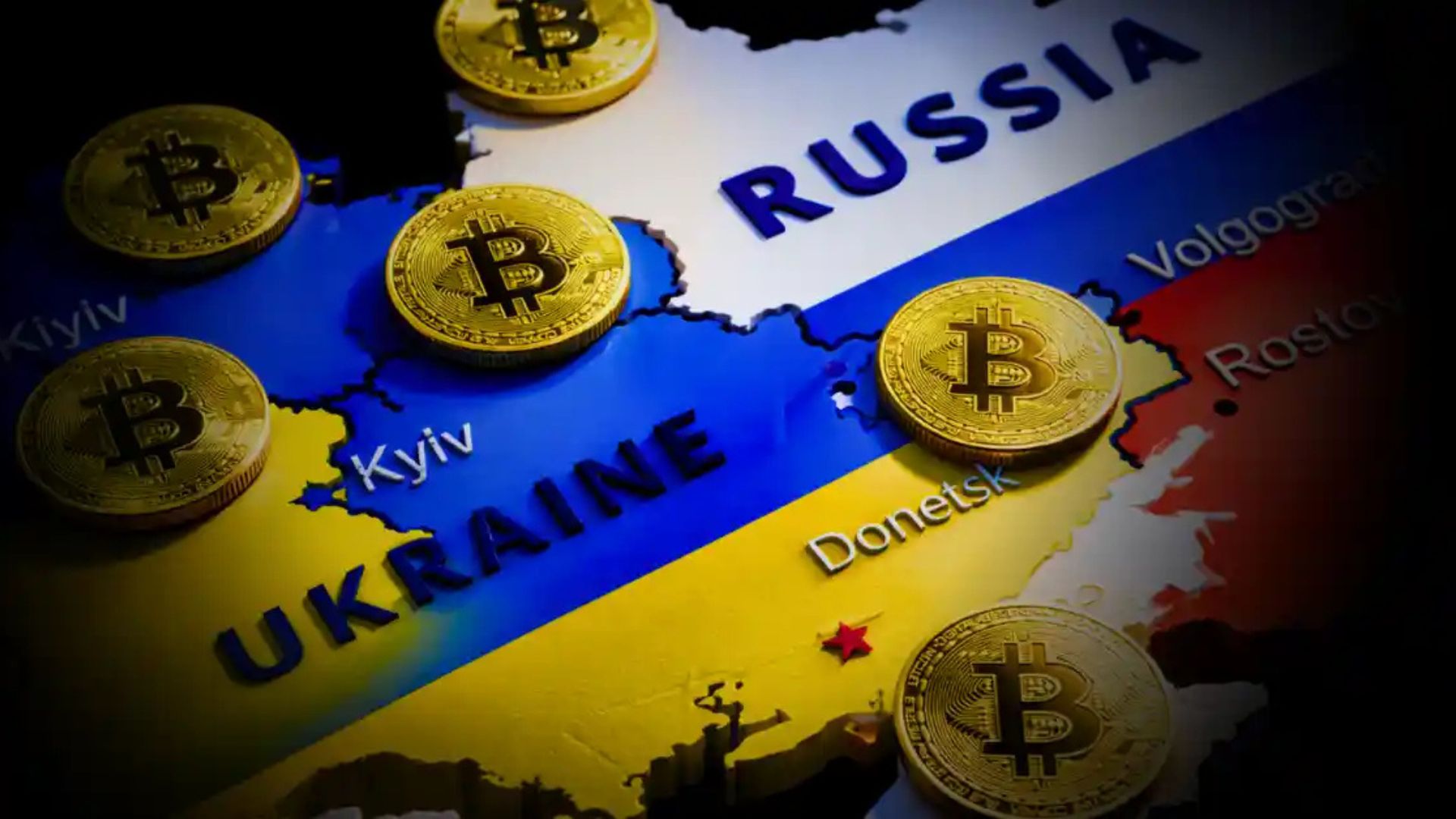
Russia’s cryptocurrency regulation has long been a subject of intense debate among policymakers, industry participants, and financial experts. As of June 2026, the Russian government is bracing itself for significant delays in passing a comprehensive crypto market regulation bill that was originally intended to establish clear legal frameworks for digital assets within the nation. This development comes at a critical juncture when nations worldwide are racing to implement coherent regulatory approaches to cryptocurrency, blockchain technology, and decentralized finance. The anticipated delays in Russia’s regulatory timeline represent a complex interplay of political considerations, technical challenges, and divergent opinions among governmental agencies regarding how best to govern the rapidly evolving digital asset landscape.
The significance of Russia’s cryptocurrency regulation extends beyond mere domestic policy concerns. As a major economic power with considerable technological capabilities, Russia’s approach to digital currency regulation influences regional trends and potentially impacts global cryptocurrency market dynamics. The delays in producing a definitive crypto regulation framework reflect broader challenges that many nations face when attempting to balance innovation, consumer protection, financial stability, and national security interests. Understanding the reasons behind these delays, the stakeholders involved in the regulatory process, and the potential implications for the Russian cryptocurrency market provides valuable insights into how governments worldwide are grappling with digital asset oversight.
The Current State of Russian Cryptocurrency Policy
Historical Context of Regulatory Approach
Russia’s relationship with cryptocurrency and blockchain technology has been notably complicated and marked by significant shifts in policy direction. For years, Russian authorities maintained a largely restrictive stance toward digital currency usage, with the Central Bank of Russia expressing concerns about financial stability, money laundering, and the potential for cryptocurrency to circumvent capital controls. However, this perspective has gradually evolved as the global crypto market matured and as Russian policymakers recognized that technological advancement in blockchain could not be entirely suppressed or ignored.
The journey toward establishing comprehensive cryptocurrency legislation in Russia has been neither straightforward nor swift. Several draft bills and regulatory proposals have circulated among government agencies and parliamentary committees over the past several years, each reflecting different governmental agencies’ priorities and concerns. The Ministry of Finance, the Federal Tax Service, the Central Bank of Russia, and other relevant agencies have occasionally held differing views on how best to regulate digital assets, creating bureaucratic friction that has consistently delayed the emergence of a unified regulatory framework.
Previous Regulatory Attempts and Their Outcomes
Earlier attempts to establish crypto regulation in Russia resulted in various legislative proposals that ultimately failed to gain sufficient parliamentary support or were significantly modified before becoming law. These preliminary efforts revealed fundamental disagreements about whether cryptocurrency should be treated as a financial instrument, a commodity, a currency, or something entirely unique requiring novel regulatory approaches. The Russian government’s inability to reach consensus on these foundational definitional questions has served as a primary impediment to expeditious regulatory progress.
The Federal Law on Digital Financial Assets, which was introduced years earlier, represented one attempt to create a legal framework for digital assets. However, this legislation left many questions unresolved regarding cryptocurrency trading, digital currency exchanges, and the taxation of crypto transactions. The incompleteness of this initial framework created ongoing uncertainty for both institutional and retail participants in the Russian cryptocurrency market, who continued operating in a state of regulatory ambiguity.
Why Delays Are Expected: Contributing Factors
Divergent Opinions Among Government Agencies
One of the primary reasons Russia is expecting substantial delays in passing comprehensive cryptocurrency regulation stems from persistent disagreements among various governmental bodies regarding appropriate regulatory approaches. The Central Bank of Russia, for instance, has historically maintained a more cautious stance toward digital currencies, citing concerns about financial stability and the potential for cryptocurrency to undermine traditional banking systems. Conversely, the Ministry of Digital Development has advocated for more innovation-friendly policies that would encourage technological advancement and position Russia competitively within the global blockchain technology sector.
These institutional disagreements reflect fundamentally different risk assessments and strategic priorities. The Central Bank’s primary focus on monetary stability and systemic financial integrity naturally predisposes it toward stricter regulatory requirements and potentially prohibitive measures. Meanwhile, technology-focused governmental entities recognize the potential economic benefits of fostering a vibrant crypto ecosystem and fear that overly restrictive regulation could drive innovation and investment toward more welcoming jurisdictions. Reconciling these competing perspectives requires extensive negotiation and compromise, processes that are inherently time-consuming.
Technical Complexity and Regulatory Innovation Requirements
Another significant contributor to expected delays is the sheer technical complexity involved in crafting effective cryptocurrency regulation. Unlike traditional financial instruments with centuries of regulatory history, digital assets present novel challenges that don’t fit neatly into existing regulatory frameworks. Policymakers must grapple with questions about how to regulate decentralized finance (DeFi) protocols, non-fungible tokens (NFTs), cryptocurrency staking, mining operations, and numerous other emerging phenomena that fall outside traditional financial regulatory paradigms.
The Russian government must decide how to address technical aspects such as smart contract regulation, the taxation of cryptocurrency rewards from staking or mining activities, the treatment of self-custodial digital wallets, and the definition of what constitutes a regulated exchange in the modern era. These questions require input from technical experts, legal scholars, economists, and financial specialists, creating a complex stakeholder ecosystem that must reach alignment before coherent legislation can be drafted.
Geopolitical Considerations and International Coordination
Russia’s cryptocurrency regulation efforts must also account for geopolitical realities and international regulatory developments. Existing international sanctions regimes have created sensitivities around cryptocurrency regulation, with Western nations concerned that Russia might leverage digital assets to circumvent financial sanctions. This external pressure has complicated Russia’s regulatory process, as policymakers must craft legislation that addresses international concerns while preserving Russia’s sovereignty and protecting national interests.
The international financial landscape is increasingly moving toward harmonized cryptocurrency regulation, with organizations like the Financial Action Task Force (FATF) establishing baseline standards that most nations are attempting to implement. Russia must consider how its regulatory framework will align with or diverge from these international standards. This coordination challenge adds another layer of complexity to an already intricate policy development process, necessitating careful consideration of how Russian regulations will interact with global digital asset frameworks.
Impact on the Russian Cryptocurrency Market
Market Participant Uncertainty and Business Planning
The ongoing uncertainty regarding when comprehensive cryptocurrency regulation will finally be implemented creates significant challenges for businesses and investors operating within Russia’s digital asset market. Cryptocurrency exchange operators, blockchain development companies, and other entities in the crypto sector face persistent ambiguity when attempting to plan long-term strategic initiatives. This regulatory uncertainty discourages major institutional investment and hampers the development of a sophisticated, well-capitalized cryptocurrency infrastructure within Russia.
Market participants attempting to build businesses in the Russian crypto space must constantly adjust their strategies based on evolving regulatory hints and shifting governmental positions. This perpetual state of adaptation creates inefficiencies and increases operational costs for businesses navigating the Russian cryptocurrency market. The delays in finalizing crypto regulation thus have tangible negative effects on entrepreneurship and innovation within Russia’s digital asset ecosystem, potentially causing talented developers and entrepreneurs to relocate to jurisdictions with more predictable regulatory environments.
Capital Flight and International Competitiveness
The prolonged delays in establishing clear cryptocurrency legislation in Russia have facilitated capital flight, with significant portions of crypto-related business activity migrating to more regulation-friendly jurisdictions. Blockchain companies that might otherwise have established significant operations within Russia have instead chosen to base themselves in countries like Switzerland, Singapore, Dubai, and other crypto-friendly destinations. This geographical redistribution of economic activity represents a lost opportunity for Russia to capture the economic benefits of the rapidly growing digital asset industry.
The longer the delays persist in implementing cryptocurrency regulation, the greater the likelihood that Russia will permanently lose competitive advantage in certain segments of the crypto market. As international companies establish infrastructure, talent networks, and institutional relationships in alternative jurisdictions, returning that activity to Russia becomes increasingly difficult even after favorable regulation is eventually implemented. The Russian government’s inability to expedite its regulatory process thus potentially costs the nation significant long-term economic opportunity.
Retail and Institutional Adoption Challenges
For ordinary Russian citizens and institutional investors, the ambiguity surrounding cryptocurrency regulation creates practical difficulties. Without clear legal frameworks defining permissible uses of digital assets, consumers face uncertainty about whether their cryptocurrency holdings will be protected or penalized by future regulatory changes. Institutional investors remain hesitant to make substantial allocations to the Russian crypto market without understanding the regulatory treatment they can expect.
This uncertainty naturally depresses adoption rates within Russia’s cryptocurrency market. Compared to nations with clearer regulatory pathways, Russia exhibits relatively low retail participation in digital asset ownership and trading. The expected delays in regulatory clarification perpetuate this trend, creating a self-reinforcing cycle where low adoption provides justification for continued cautious regulatory approaches, which in turn suppresses adoption further.
Parliamentary and Legislative Challenges
Political Calendar and Legislative Priorities
Russia’s legislative calendar and competing political priorities constitute another significant factor contributing to expected regulatory delays. The Russian Parliament (State Duma) faces numerous competing demands on its legislative attention, and cryptocurrency regulation must compete with other policy priorities for floor time and committee resources. As of 2026, various domestic policy initiatives, security concerns, and economic priorities have claimed prominent positions on the parliamentary agenda, potentially pushing digital asset regulation further down the priority list.
The political importance assigned to cryptocurrency regulation varies considerably among different parliamentary factions and individual legislators. Some view digital assets as a critical area requiring urgent attention, while others regard crypto-related legislation as less pressing than traditional financial regulation or other economic policy matters. This divergence in perceived urgency contributes to the slow pace of legislative progress.
Need for Consensus Building and Compromise
Passing significant legislative packages typically requires building consensus among diverse political actors with competing interests and ideological positions. Cryptocurrency regulation is no exception, as different parliamentary groups may favor regulatory approaches that reflect their respective constituencies’ interests or their own philosophical positions regarding state intervention in markets. Building the necessary consensus to pass comprehensive crypto legislation requires extensive negotiation and multiple rounds of compromise, processes that naturally extend legislative timelines considerably.
The Russian regulatory framework will ultimately reflect whatever compromises emerge from these negotiations, and stakeholders across the political spectrum recognize that their participation in the process can meaningfully influence the final legislative outcome. This creates incentives for extensive deliberation rather than expedited legislative action, further contributing to the expected delays.
International Comparison: How Other Nations Approach Crypto Regulation
Varied Global Regulatory Models
Different nations have adopted remarkably diverse approaches to cryptocurrency regulation, and Russia’s regulatory development process is occurring within this context of global experimentation. Some countries like Singapore and Switzerland have embraced digital assets with sophisticated, innovation-friendly regulatory frameworks that have attracted significant international capital and talent. Other nations maintain more restrictive approaches, with China implementing comprehensive bans on cryptocurrency trading and mining activities. Still others occupy middle ground, implementing moderate regulations intended to balance innovation encouragement with consumer protection.
Russia’s regulatory timeline extends partly because policymakers are observing outcomes of different cryptocurrency regulatory approaches globally before committing to specific frameworks. This “wait and see” strategy reflects rational policymaking intent to avoid mistakes made by other jurisdictions while capturing best practices proven effective elsewhere. However, this observational approach necessarily extends the timeline for Russia’s own regulatory implementation.
Regional Regulatory Harmonization Efforts
Eurasian Economic Union (EAEU) members, including Russia, have initiated discussions regarding potential harmonization of cryptocurrency regulation across the regional bloc. These coordination efforts add another dimension to Russia’s regulatory timeline, as policymakers must consider not only Russia’s specific interests but also the need to maintain compatibility with neighboring nations’ regulatory approaches. Regional coordination initiatives, while potentially beneficial for long-term stability, necessarily complicate and extend the timeline for individual nations’ regulatory implementation.
Timeline Expectations and Future Outlook
When Regulation Might Finally Arrive
Industry observers and policymakers have suggested that comprehensive cryptocurrency regulation in Russia might realistically be expected sometime in late 2026 or potentially extending into 2027, depending on how quickly the government agencies involved can reach consensus. The Russian Ministry of Digital Development has indicated that multiple rounds of stakeholder consultations and interagency coordination remain necessary before a unified legislative proposal can be presented to parliament. Even after such a proposal emerges, the full legislative process—including committee review, parliamentary debate, and presidential approval—typically requires several additional months.
The timeline reflects not merely bureaucratic inefficiency but rather the legitimate complexity involved in crafting effective regulation for an entirely new asset class within an evolving global context. Policymakers understandably desire to implement thoughtful, well-considered regulation rather than rushing through legislative processes that might create unintended negative consequences.
Potential Contents and Structure of Future Regulation
While specifics remain uncertain, industry participants and policymakers have indicated that future Russian cryptocurrency regulation will likely address several key areas. The framework will presumably establish definitions for various types of digital assets and clarify their legal status. It will likely include requirements for cryptocurrency exchange licensing and operational standards, provisions addressing consumer protection and dispute resolution, and clarifications regarding cryptocurrency taxation. The regulation may also address anti-money laundering (AML) requirements and know-your-customer (KYC) procedures consistent with international standards.
The structure of future Russian crypto regulation may involve creating a new regulatory body specifically focused on digital assets, or alternatively distributing regulatory responsibilities among existing agencies with clarified authority and coordination mechanisms. Each structural approach carries different implications for regulatory effectiveness and market development timelines.
Conclusion
The expected delays in Russia’s cryptocurrency market regulation bill reflect a complex convergence of factors including interagency disagreements, technical complexity, geopolitical considerations, and parliamentary prioritization challenges. While these delays create uncertainty for market participants and potentially cost Russia economic opportunities, they also reflect the legitimate difficulty of crafting effective, thoughtful regulation for an entirely novel asset class within an evolving global context.
The Russian cryptocurrency market will likely continue operating in regulatory ambiguity until policymakers achieve sufficient consensus to advance comprehensive legislative proposals through parliament. When crypto regulation eventually arrives in Russia, it will hopefully incorporate lessons learned from other nations’ regulatory experiments while remaining tailored to Russia’s specific economic, political, and technological contexts.
For now, stakeholders must continue navigating the existing regulatory environment while preparing for the eventual arrival of a more comprehensive digital asset framework that will inevitably reshape the Russian cryptocurrency ecosystem. The delays, while frustrating for market participants, may ultimately produce superior regulation compared to hastily implemented frameworks that fail to adequately address the complexities of cryptocurrency markets.
