



In recent years, blockchain technology has evolved from a niche concept associated primarily with cryptocurrencies into a transformative force across multiple industries. Organizations worldwide are increasingly recognizing the value of blockchain as a secure, transparent, and efficient solution for managing data, transactions, and digital assets. As businesses seek innovative ways to improve operations, reduce costs, enhance trust, and gain competitive advantages, investment in blockchain technology continues to accelerate.
The growing adoption of blockchain technology is driven by its ability to create decentralized systems that eliminate unnecessary intermediaries while maintaining high levels of security and transparency. From financial institutions and healthcare providers to supply chain companies and government agencies, organizations are exploring new ways to leverage blockchain for operational excellence and digital transformation.
Understanding Blockchain Technology
Blockchain technology is a distributed digital ledger that records transactions across a network of computers. Unlike traditional centralized databases, blockchain stores information in blocks that are cryptographically linked together, creating an immutable chain of records.
The defining characteristics of blockchain networks include transparency, decentralization, security, and immutability. Once data is recorded on a blockchain, it becomes extremely difficult to alter without consensus from network participants. This makes blockchain particularly attractive for businesses that require trustworthy and tamper-resistant records.
Modern blockchain solutions extend far beyond cryptocurrencies. Today, organizations use blockchain for digital identity management, smart contracts, supply chain tracking, asset tokenization, and various enterprise applications that require secure and transparent data sharing.
Why Companies Are Investing in Blockchain Technology
Increasing Demand for Transparency
One of the primary reasons companies are investing in blockchain technology is the growing demand for transparency. Consumers, regulators, investors, and business partners increasingly expect organizations to provide clear and verifiable information about their operations.
Blockchain creates an immutable record of transactions that can be audited in real time. This transparency helps businesses build trust among stakeholders while reducing disputes and compliance challenges. In industries such as food production, pharmaceuticals, and manufacturing, blockchain allows organizations to trace products from origin to destination, ensuring accountability throughout the supply chain. As transparency becomes a competitive differentiator, businesses are turning to blockchain technology as a reliable solution for establishing trust and credibility.
Enhanced Security and Data Protection
Cybersecurity remains a major concern for organizations worldwide. Data breaches, fraud, and cyberattacks can result in significant financial losses and reputational damage. Blockchain technology addresses many of these concerns through advanced cryptographic techniques and decentralized data storage. Because information is distributed across multiple nodes rather than stored in a single location, blockchain networks are less vulnerable to single points of failure.
The strong security framework of blockchain makes it an attractive investment for businesses seeking to protect sensitive information, financial transactions, and customer data. As cyber threats continue to evolve, blockchain’s security advantages become increasingly valuable.
Operational Efficiency and Cost Reduction
Companies are constantly searching for ways to streamline operations and reduce expenses. Traditional business processes often involve multiple intermediaries, manual verification procedures, and extensive paperwork. Blockchain technology can automate many of these tasks through smart contracts, which are self-executing agreements with predefined rules. These contracts automatically perform actions when specific conditions are met, reducing the need for manual intervention.
By eliminating intermediaries and automating workflows, businesses can lower transaction costs, reduce processing times, and improve overall efficiency. This operational improvement is a significant factor driving blockchain investment across industries.
Improved Trust in Business Relationships
Trust is a critical component of business success. However, establishing trust among multiple parties can be challenging, especially in complex ecosystems involving suppliers, partners, customers, and regulators. Blockchain technology creates a shared source of truth that all participants can access and verify. This shared visibility reduces uncertainty and minimizes the risk of fraudulent activities. Organizations investing in blockchain often discover that enhanced trust leads to stronger partnerships, improved collaboration, and greater confidence in business transactions.
Key Business Drivers Behind Blockchain Adoption
Digital Transformation Initiatives
Digital transformation has become a strategic priority for organizations seeking to remain competitive in an increasingly digital economy. Blockchain technology aligns with broader digital transformation goals by enabling innovative business models and modernizing outdated systems.
Many companies view blockchain as a foundational technology that can support automation, digital identity systems, and secure data sharing across organizational boundaries. As enterprises accelerate digital transformation efforts, blockchain continues to emerge as a valuable component of long-term innovation strategies.
Regulatory Compliance Requirements
Compliance requirements are becoming more complex across industries. Organizations must maintain accurate records, demonstrate accountability, and provide audit trails for regulatory purposes. Blockchain technology simplifies compliance by creating transparent and tamper-resistant records. Regulators can access verifiable information more efficiently, while businesses benefit from streamlined reporting and auditing processes. This capability is particularly valuable in sectors such as finance, healthcare, insurance, and logistics, where regulatory obligations are extensive and continuously evolving.
Growing Need for Data Integrity
In today’s data-driven economy, maintaining data integrity is essential. Businesses rely on accurate information to make strategic decisions, manage risks, and ensure operational effectiveness. Blockchain technology helps preserve data integrity by preventing unauthorized modifications and providing a complete historical record of transactions. This reliability supports better decision-making and enhances confidence in business operations. As data becomes increasingly important, organizations are investing in blockchain to safeguard the quality and authenticity of critical information.
Major Blockchain Use Cases Across Industries
Blockchain in Financial Services
The financial sector has been among the earliest adopters of blockchain technology. Banks, payment providers, and financial institutions use blockchain to improve transaction processing, reduce settlement times, and enhance security. Cross-border payments represent one of the most significant applications. Traditional international transactions often involve multiple intermediaries and lengthy processing periods. Blockchain enables faster and more cost-effective transfers while maintaining high security standards. Financial institutions are also exploring blockchain-based solutions for trade finance, asset management, fraud prevention, and decentralized finance applications.
Supply Chain Management
Supply chain management is another area where blockchain technology delivers substantial value. Modern supply chains involve numerous participants, making transparency and traceability challenging. Blockchain allows organizations to track products throughout their lifecycle, from raw material sourcing to final delivery. Every transaction and movement can be recorded on a shared ledger, providing real-time visibility. This enhanced transparency helps companies identify inefficiencies, verify authenticity, prevent counterfeiting, and respond more effectively to disruptions.
Healthcare and Medical Records
Healthcare organizations face ongoing challenges related to data sharing, privacy, and interoperability. Blockchain technology offers a secure framework for managing medical records while giving patients greater control over their information. Healthcare providers can use blockchain to securely exchange patient data, verify credentials, and track pharmaceutical products throughout the supply chain. These capabilities improve data accuracy, reduce administrative burdens, and support better patient outcomes.
Real Estate Transactions
Real estate transactions often involve extensive documentation, multiple intermediaries, and lengthy verification processes. Blockchain technology can simplify property transfers by providing secure and transparent records of ownership. Smart contracts can automate various aspects of transactions, reducing delays and minimizing administrative costs. As the real estate industry embraces digital innovation, blockchain adoption continues to gain momentum.
Identity Verification and Digital Identity
Digital identity management has become increasingly important in a connected world. Traditional identity verification systems can be vulnerable to fraud and data breaches. Blockchain-based identity solutions allow individuals to control their personal information while enabling organizations to verify credentials securely and efficiently. This approach enhances privacy, improves security, and reduces the risk of identity theft.
Benefits of Blockchain Technology for Businesses
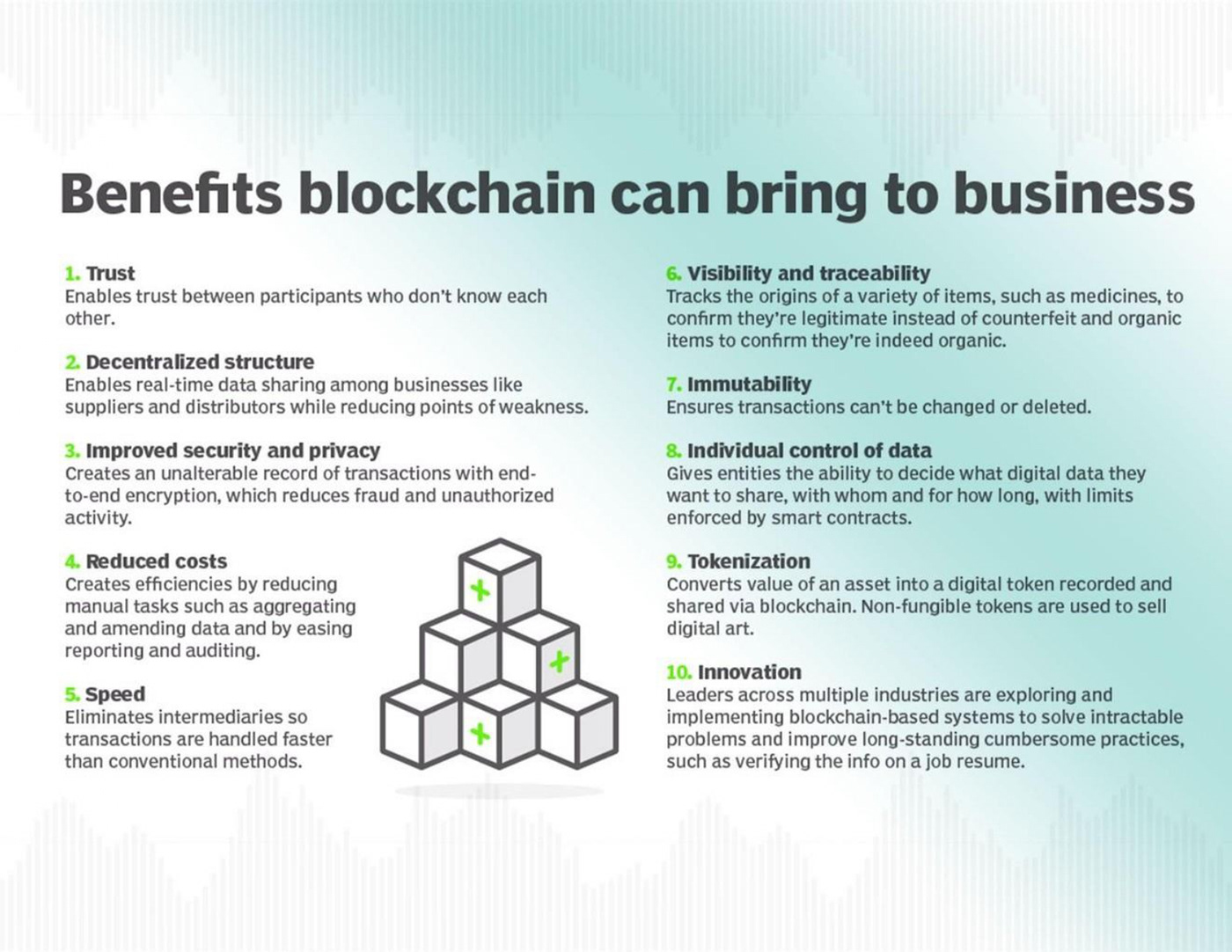
Greater Transparency
Blockchain’s transparent nature allows all authorized participants to view relevant transaction records. This visibility strengthens accountability and reduces opportunities for fraud. Organizations benefit from improved stakeholder trust and more effective collaboration across business networks.
Better Traceability
Traceability is particularly valuable in industries that require detailed product histories. Blockchain technology enables businesses to track assets and products throughout complex supply chains. This capability improves quality control, supports regulatory compliance, and helps organizations respond quickly to potential issues.
Increased Automation
Smart contracts automate repetitive processes and reduce reliance on manual workflows. This automation improves efficiency, reduces errors, and accelerates transaction execution. Businesses can allocate resources more effectively while enhancing operational performance.
Enhanced Security
The cryptographic architecture of blockchain provides strong protection against unauthorized access and data manipulation. For organizations handling sensitive information, blockchain offers an additional layer of security that supports risk management and business continuity objectives.
Challenges Companies Face When Implementing Blockchain
Integration with Existing Systems
Many organizations operate legacy systems that were not designed to work with blockchain technology. Integrating new blockchain solutions with existing infrastructure can be complex and costly. Successful implementation often requires careful planning, technical expertise, and ongoing support.
Scalability Concerns
Although blockchain technology offers many advantages, some networks face scalability limitations. Processing large volumes of transactions efficiently remains a challenge for certain blockchain platforms. Developers continue to explore innovative solutions to improve performance and support enterprise-scale adoption.
Regulatory Uncertainty
The regulatory landscape surrounding blockchain technology continues to evolve. Businesses must navigate varying legal requirements across jurisdictions and industries. Clearer regulations are expected to support broader adoption by providing greater certainty and reducing compliance risks.
Skills and Talent Shortages
Blockchain expertise remains in high demand. Organizations often struggle to find professionals with the technical knowledge required to develop, implement, and maintain blockchain solutions. Investing in training and workforce development is becoming increasingly important for companies pursuing blockchain initiatives.
The Future Outlook of Blockchain Technology
Mainstream Enterprise Adoption
The future of blockchain technology appears promising as more organizations move beyond pilot projects and embrace enterprise-wide implementation. As technology matures and infrastructure improves, blockchain is expected to become a standard component of digital business ecosystems.
Expansion of Smart Contract Applications
Smart contracts will likely play an increasingly significant role in automating business processes. Their ability to execute agreements automatically and transparently makes them valuable across numerous industries. Organizations are expected to develop more sophisticated applications that leverage smart contract functionality.
Integration with Emerging Technologies
Blockchain technology is increasingly being integrated with artificial intelligence, Internet of Things (IoT), cloud computing, and big data analytics. These technological combinations create powerful opportunities for innovation, enabling businesses to develop smarter, more secure, and highly automated systems.
Growth of Tokenized Assets
Asset tokenization is gaining attention as organizations seek new ways to represent and trade physical and digital assets. Blockchain enables fractional ownership, increased liquidity, and more efficient asset management. As regulatory frameworks mature, tokenized assets may become a significant component of global financial markets.
Conclusion
The rapid growth of blockchain technology demonstrates its potential to reshape how businesses operate, collaborate, and create value. Companies are investing in blockchain technology because it offers enhanced transparency, stronger security, greater efficiency, improved trust, and innovative business opportunities. From financial services and healthcare to supply chain management and digital identity verification, blockchain continues to deliver practical solutions to complex challenges.
While implementation challenges remain, ongoing technological advancements, growing regulatory clarity, and increasing enterprise adoption suggest a promising future. Organizations that strategically invest in blockchain technology today may be better positioned to capitalize on emerging opportunities and maintain a competitive edge in the digital economy.
