



Bitcoin miners hold strong despite margin pressure, even as the industry faces one of its toughest periods in recent years. Lower mining rewards, rising electricity costs, and increasing network difficulty have reduced profits for many mining companies. However, instead of giving up, many miners are finding smarter ways to survive and prepare for the future.
The Bitcoin mining sector has always experienced cycles of growth and decline. This time is no different. Although mining has become more expensive, many companies continue to invest in better equipment, renewable energy, and new business opportunities. As a result, the industry’s resilience remains one of the strongest signals of long-term confidence in Bitcoin.
Why Bitcoin Mining Margins Are Under Pressure
Mining Bitcoin has become much more competitive. Several factors are reducing miners’ profits, making it harder for smaller operators to remain profitable. The biggest challenge is the Bitcoin halving, which reduced block rewards. Consequently, miners now receive fewer bitcoins for validating each block.
Moreover, mining difficulty continues to increase as more powerful machines join the network. This means miners must perform more calculations while earning fewer rewards. Electricity costs also remain a major concern. Since mining equipment runs around the clock, even small increases in energy prices can significantly reduce profits.
Lower Hashprice Reduces Revenue
Another important factor is hashprice, which measures how much revenue miners earn from their computing power. Recently, hashprice has fallen sharply due to higher network difficulty and weaker mining economics. Therefore, miners generate less income from the same amount of computing power than they did just a few months ago.
Why Bitcoin Miners Continue Holding Their BTC
Despite shrinking profits, many miners are choosing not to sell their Bitcoin reserves. Instead, they believe Bitcoin’s long-term value will outweigh today’s financial pressure. Historically, miners who survived difficult market cycles often benefited when Bitcoin prices recovered.
Additionally, publicly listed mining companies have stronger financial resources than many private operators. They can access funding, issue shares, or raise capital without immediately selling their Bitcoin holdings. This strategy reflects growing confidence in Bitcoin’s future rather than short-term market movements.
How Mining Companies Are Reducing Costs
Successful miners know that efficiency is now more important than ever. Many companies are replacing older ASIC machines with newer models that consume less electricity while producing more computing power. As a result, operating costs fall without reducing mining output.
Furthermore, many mining farms are relocating to areas with cheaper renewable energy, including hydroelectric, wind, and solar power. Some companies also use stranded natural gas that would otherwise be wasted. This approach lowers electricity costs while reducing environmental impact.
Better Cooling Systems Improve Efficiency
Modern cooling technologies also play an important role. Immersion cooling and liquid cooling systems keep mining hardware at lower temperatures. Consequently, equipment lasts longer and performs more efficiently while consuming less energy.
AI and High-Performance Computing Offer New Revenue
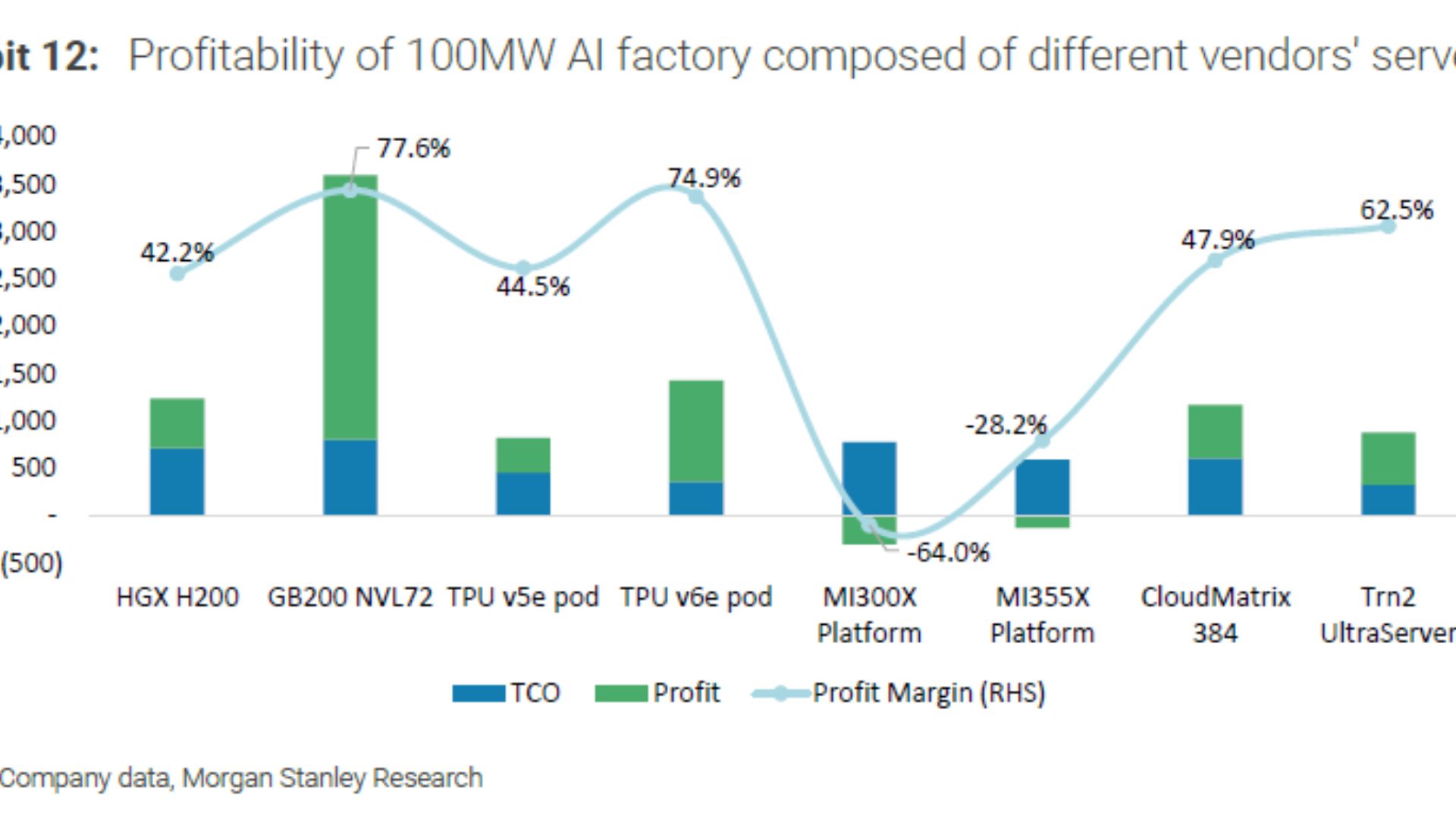
Perhaps the biggest trend in Bitcoin mining today is diversification. Many mining companies are expanding into artificial intelligence (AI) and high-performance computing (HPC) services. These businesses use similar infrastructure, including data centers, power systems, and cooling equipment.
Therefore, miners can generate additional income even when Bitcoin mining becomes less profitable. Several publicly traded miners have already announced billions of dollars in AI and cloud computing investments, helping stabilize long-term revenues.
Why Network Security Remains Strong
Even though profit margins are under pressure, Bitcoin’s security remains extremely strong. The network’s hashrate remains near record highs, showing that miners continue contributing massive computing power to secure the blockchain.
This is important because a higher hashrate makes Bitcoin more resistant to attacks and improves overall network reliability. Moreover, mining difficulty automatically adjusts over time. If too many miners leave the network, mining becomes easier for those who remain. This built-in adjustment helps maintain Bitcoin’s decentralized security model.
Challenges Facing Smaller Miners
Not every mining company can survive these difficult conditions. Smaller operators often pay higher electricity prices and lack access to the newest mining hardware. Consequently, many struggle to remain profitable. Some independent miners have already reduced operations or temporarily shut down equipment until market conditions improve. However, efficient operators with low energy costs continue expanding despite current challenges.
Key Factors Supporting Miner Resilience
Several factors explain why miners continue operating despite lower profits:
- Long-term confidence in Bitcoin’s future.
- Investment in newer and more efficient ASIC hardware.
- Access to lower-cost renewable energy.
- Diversification into AI and HPC services.
- Improved treasury management.
- Better operational efficiency.
Together, these strategies help miners navigate one of the industry’s most challenging environments.
What Investors Should Watch
If you follow Bitcoin mining companies, there are several important metrics to monitor.
- Bitcoin price.
- Mining difficulty.
- Network hashrate.
- Hashprice.
- Electricity costs.
- Company debt levels.
- AI and HPC expansion projects.
Additionally, investors should monitor quarterly earnings reports to understand how mining companies are adapting their business models.
The Future of Bitcoin Mining
The Bitcoin mining industry continues to evolve. Although today’s profit margins remain tight, technological improvements are helping efficient miners stay competitive. Furthermore, diversification into AI infrastructure is creating entirely new revenue opportunities. Over time, weaker operators may exit the market, allowing stronger companies to gain market share. If Bitcoin prices recover while mining efficiency continues improving, the industry’s financial outlook could strengthen considerably.
Conclusion
Bitcoin miners hold strong despite margin pressure because they are adapting rather than retreating. Rising mining difficulty, lower hashprice, and increasing energy costs have undoubtedly reduced profitability. However, efficient operators continue investing in better hardware, renewable energy, and AI-powered infrastructure to build stronger businesses.
Although short-term challenges remain, the industry’s resilience demonstrates growing confidence in Bitcoin’s long-term future. As technology advances and operational efficiency improves, many miners believe today’s difficult environment could eventually create stronger and more sustainable businesses.
