


The cryptocurrency market operates in cycles that have captivated investors for over a decade. Among the most anticipated phenomena in digital asset trading is alt season—a period when alternative coins, commonly called altcoins, dramatically outperform Bitcoin and generate extraordinary returns. Yet despite the constant anticipation and endless speculation, alt season never seems to arrive as expected. This paradox has left countless retail investors frustrated, analyzing charts and waiting for a rally that perpetually fails to materialize.
Alt season requires examining the complex interplay between Bitcoin dominance, market sentiment, macroeconomic conditions, and the inherent volatility of the cryptocurrency market cycle. The promise of alt season has become something of a mythical unicorn in crypto investing—everyone talks about it, many claim to predict it, but few truly understand what conditions must align for it to occur. This article explores the mechanics behind alt season, investigates why it remains so elusive, and examines the realistic expectations investors should maintain when navigating the altcoin landscape.
The concept of alt season represents a fundamental shift in market dynamics where investors rotate capital from established cryptocurrencies into smaller, higher-risk alternative coins. During these periods, coins with smaller market capitalizations experience exponential growth as trading volume surges and speculation intensifies. However, the perpetual disappointment surrounding alt season suggests that our understanding of this phenomenon may be fundamentally flawed, or the conditions required for its occurrence are far more stringent than most believe.
What Is Alt Season?
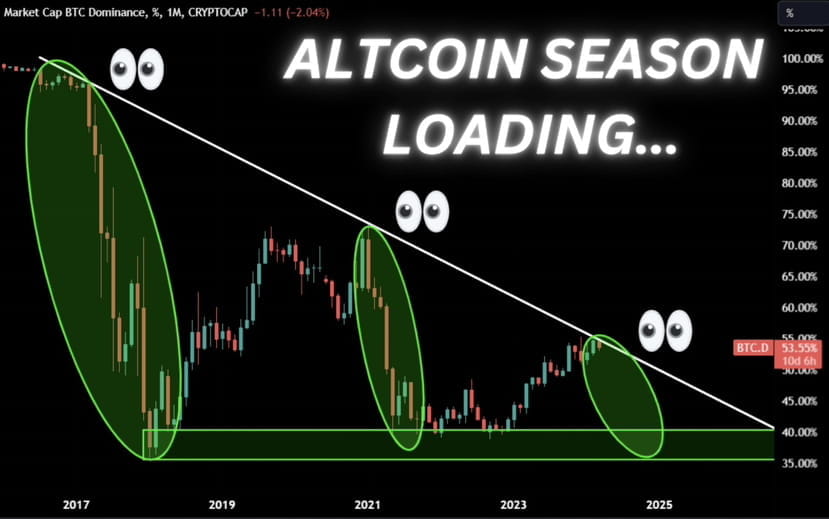
Alt season represents a specific phase within the cryptocurrency market cycle where altcoins experience significant price appreciation relative to Bitcoin. During these periods, the Bitcoin dominance index—which measures Bitcoin’s percentage of the total cryptocurrency market capitalization—typically declines sharply as capital flows into alternative cryptocurrencies. This rotation occurs when investors seek higher returns through riskier assets after Bitcoin establishes a strong uptrend or reaches a perceived ceiling.
The traditional definition of alt season in crypto involves a sustained period where altcoins collectively outperform Bitcoin in percentage gains. Unlike a brief spike in individual coin prices, true alt season should represent a broad-based rally across multiple altcoins, creating liquidity and opportunity across the entire digital asset ecosystem. Some analysts argue that genuine alt season requires a minimum 30-day period of sustained outperformance, while others maintain stricter criteria involving specific thresholds in the Bitcoin dominance index.
The characteristics of alt season extend beyond mere price movements. During legitimate alt season, trading volume across altcoin pairs increases substantially, new trading venues emerge or gain prominence, and retail investor enthusiasm reaches fever pitch. Media coverage intensifies, social media sentiment turns overwhelmingly bullish, and everyday conversations about cryptocurrency center on which altcoin will deliver the next thousand-percent gain. This behavioral component makes alt season as much a psychological phenomenon as a market mechanics issue.
The Historical Context of Alt Season
Previous Alt Season Cycles
Cryptocurrency markets have experienced several recognizable periods matching the definition of alt season, though their frequency and intensity vary considerably. The most prominent example occurred during late 2017, when the broader cryptocurrency market experienced explosive growth. During this period, Bitcoin’s dominance dropped from approximately 66% to below 40% as investors rotated capital into altcoins. Projects like Ethereum, Ripple, and countless others experienced price increases measured in thousands of percentages.
This 2017-2018 cycle demonstrated the mechanics of true alt season, though it ultimately crashed spectacularly in early 2018. The subsequent bear market lasted years, with most altcoins losing 90% or more of their value. This devastating outcome created lasting trauma in the investor psyche and established a pattern where alt season is followed by brutal corrections that destroy even more capital than was created during the bullish phase.
Another notable alt season period emerged in 2021, though this cycle exhibited different characteristics than 2017. The 2021 alt season coincided with increased institutional adoption and mainstream media attention to cryptocurrency. Decentralized finance tokens, blockchain projects, and layer-two solutions gained tremendous traction. However, this alt season also proved temporary, and by late 2022, the market experienced another severe correction that wiped out substantial value from the altcoin ecosystem.
Why These Cycles Occurred
Each historical alt season emerged from specific market conditions that created optimal circumstances for capital rotation. The 2017 cycle benefited from the introduction of numerous initial coin offerings, or ICO launches, that provided novel investment opportunities. The 2021 cycle emerged from unprecedented monetary stimulus, declining interest rates, and mainstream acceptance of cryptocurrency concepts like decentralized finance and non-fungible tokens.
These historical cycles reveals that alt season doesn’t simply occur randomly—it requires specific catalysts and market conditions. Without these triggering events, the market lacks the energy and capital necessary to sustain broad-based altcoin outperformance. This realization helps explain why alt season keeps not arriving: the necessary preconditions simply may not exist in the current market environment.
Why Alt Season Keeps Not Arriving
The Bitcoin Dominance Ceiling
One fundamental reason alt season fails to materialize relates to Bitcoin’s structural dominance within the cryptocurrency market capitalization hierarchy. Bitcoin remains the most recognized, most widely held, and most liquid cryptocurrency globally. Institutional investors, corporate treasuries, and conservative retail investors view Bitcoin as the primary cryptocurrency asset worthy of significant capital allocation.
When market conditions improve, institutional capital tends to flow directly into Bitcoin first, strengthening its dominance rather than weakening it. This pattern contradicts the traditional alt season expectation where Bitcoin dominance declines as capital rotates into riskier alternatives. The maturation of Bitcoin infrastructure—through spot Bitcoin ETFs, increased custody solutions, and mainstream financial integration—has paradoxically made it harder for alt season to emerge, as these developments attract precisely the type of capital that historically powered altcoin rallies.
Regulatory Headwinds and Compliance Pressure
The regulatory landscape for cryptocurrency has become increasingly restrictive since the heady days of 2017 and 2018. Governments worldwide have introduced stricter rules governing cryptocurrency trading, staking mechanisms, and token issuance. These regulatory developments create uncertainty that particularly affects smaller altcoin projects, which lack the resources to navigate complex compliance requirements.
When regulatory pressure intensifies, investors rationally retreat to established cryptocurrencies with clear legal status. Bitcoin and Ethereum have achieved sufficient regulatory clarity that institutional investors can confidently allocate capital. Most altcoins remain trapped in regulatory gray zones, making them unsuitable for serious institutional participation. This dynamic ensures that when capital rotates within cryptocurrency markets, it predominantly flows between major cryptocurrencies rather than extending broadly into alternative coins. The digital asset landscape has thus bifurcated between compliant, institutional-grade cryptocurrencies and speculative, regulatory-uncertain altcoins.
Market Saturation and Project Failure Rates
The cryptocurrency space has become saturated with tokens and projects, most of which deliver minimal utility or innovation. During genuine alt season conditions, investors can successfully identify quality projects among the noise. However, when market conditions are neutral or bearish, the sheer number of failed projects and rug pulls creates justified skepticism toward unproven altcoin ventures.
Data from blockchain analytics firms consistently show that the majority of cryptocurrency projects launched in recent years fail within 18 months. This harsh reality means that alt season requires not merely market optimism, but sufficient optimism that investors willingly overlook poor odds of project success. Such extreme sentiment remains rare and difficult to sustain, particularly after the devastating losses incurred in previous crash cycles. The abundance of projects, combined with low project quality, makes identifying potential winners increasingly difficult.
The Maturation of Cryptocurrency Markets
As cryptocurrency markets mature and achieve greater institutional presence, the entire ecosystem behaves differently than it did during the 2017 era. Professional market participants employ sophisticated hedging strategies, derivatives trading mechanisms, and advanced technical analysis that weren’t widely available to retail investors in 2017. This professionalization introduces friction that prevents the explosive, irrational exuberance that characterized earlier alt season cycles.
Professional traders recognize that altcoin volatility, while creating opportunities, also generates substantial risks. Rather than allowing euphoria to drive prices skyward through obvious momentum, sophisticated market participants take profits, short overextended projects, and otherwise dampen wild price swings. The introduction of cryptocurrency derivatives, including perpetual futures and options contracts, has given traders ways to express bearish views that didn’t exist in 2017. This ability to short altcoins efficiently prevents the one-way rallies characteristic of genuine alt season.
Macroeconomic Headwinds
The broader macroeconomic environment since 2021 has proven exceptionally challenging for risk assets, including cryptocurrency and speculative altcoins. Rising interest rates, inflation concerns, and tightening monetary policy from central banks worldwide have reduced investor appetite for high-risk, speculative investments. When the Federal Reserve, European Central Bank, and other major central banks maintain restrictive monetary policies, capital naturally flows toward safer assets like treasury bonds and blue-chip stocks rather than experimental blockchain projects.
Altcoins, by their very nature, require a risk-on market environment to flourish. When economic uncertainty increases and yield curves flatten, institutional and retail investors alike prefer established assets with proven utility. Alt season cannot emerge during periods when macroeconomic risks dominate investor psychology. Until major central banks return to accommodative policies—which seems unlikely in the foreseeable future—fundamental headwinds will continue preventing alt season from arriving.
The Psychological Component of Alt Season Expectations

The Self-Fulfilling Prophecy Problem
Much of the alt season narrative operates as a self-fulfilling prophecy that fails to materialize because its conditions are too idealized. Investors anticipate alt season based on historical precedent, and this anticipation itself creates distorted expectations. They hold altcoins expecting dramatic price appreciation, but without the critical mass of similarly bullish investors necessary to drive that appreciation, prices stagnate or decline.
The expectation of alt season becomes a trap where investors continuously overestimate the near-term probability of its arrival. They hold positions through extended periods of underperformance, rationalizing poor decisions through the belief that alt season will eventually validate their holdings. This psychological pattern repeats across cycles, with each new generation of investors making identical mistakes as their predecessors. The constant anticipation of alt season that never arrives creates a grinding form of psychological loss that may ultimately exceed the losses incurred during sudden crash events.
Social Media Echo Chambers and Misinformation
Social media platforms have created algorithmic echo chambers where alt season narratives receive amplification far beyond their factual validity. Crypto Twitter personalities, YouTube influencers, and Telegram group administrators constantly discuss alt season, analyzing obscure technical indicators and claiming insider knowledge about upcoming rallies. This drumbeat of optimistic messaging creates false consensus around alt season’s imminent arrival.
The financial incentive structure amplifies this problem. Content creators benefit financially from engagement, which increases dramatically when discussing exciting topics like alt season. Boring but accurate analyses explaining why alt season remains unlikely receive minimal engagement, while sensational claims about altcoin price targets generate viral reach. This ecosystem warps information distribution such that false narratives dominate while reality-based skepticism remains marginalized. Retail investors inevitably internalize these distorted narratives and make investment decisions based on biased information.
The Sunk Cost Fallacy in Altcoin Holdings
Many investors hold altcoins through extended periods of underperformance because they’ve already suffered significant losses and believe selling would crystallize those losses permanently. This sunk cost fallacy creates psychological resistance to acknowledging reality. Instead of liquidating positions, investors maintain holdings while repeatedly predicting that alt season will arrive and restore their investments. They rationalize extended periods of stagnation as the “quiet before the storm” of alt season.
This psychological mechanism ensures that even when evidence mounts that alt season will not materialize, many investors continue holding worthless or near-worthless altcoin positions. They attend conferences where industry figures discuss the upcoming alt season cycle, read endless analyses claiming the timing is finally right, and convince themselves that patience will eventually be rewarded. The psychological toll of this extended disappointment extends beyond financial losses into deeper emotional suffering.
What Conditions Would Actually Trigger Alt Season?
The Specific Market Requirements
Genuine alt season would require an unusual convergence of conditions that rarely align simultaneously. First, Bitcoin would need to achieve a major price milestone and establish consolidation at elevated levels, signaling that Bitcoin dominance has temporarily peaked. Second, macroeconomic conditions would need to shift toward monetary easing, with central banks reducing interest rates and expanding money supply. Third, regulatory clarity would need to expand sufficiently that institutional investors feel comfortable allocating capital to riskier digital assets beyond Bitcoin and Ethereum.
Fourth, and critically, a genuine innovation catalyst would need to emerge that captures investor enthusiasm and demonstrates transformative potential. The 2017 alt season benefited from ICO novelty; the 2021 cycle leveraged DeFi innovation. Without a compelling new narrative about cryptocurrency utility, capital rotations remain unlikely. Fifth, bear market conditions would need to have persisted long enough that investors had mentally reset expectations and accepted lower prices as the new baseline. Only from such a position could renewed optimism drive capital inflows.
The Unrealistic Convergence Problem
The fundamental problem with alt season is that these conditions require extraordinary alignment. Macroeconomic policy shifts slowly; regulatory frameworks develop over months or years; genuine innovation emerges unpredictably. The probability that all these conditions align simultaneously within a short timeframe remains vanishingly small. This mathematical reality explains why alt season keeps not arriving—it requires essentially perfect conditions that rarely exist in complex, competitive markets.
Investors fixated on alt season fail to account for the difficulty of predicting multifactor convergence. They assume that if Bitcoin rises sufficiently, alt season automatically follows, ignoring that Bitcoin rises sometimes occur during periods of rising interest rates when altcoin investment remains unwise. They assume innovation will be available on demand, ignoring that genuine breakthroughs in blockchain technology or cryptocurrency utility remain genuinely rare. The mismatch between expectations and actual probabilities ensures continuous disappointment.
The Reality of Altcoin Investing Beyond Alt Season
Idiosyncratic Coin Performance
Rather than waiting for broad-based alt season, savvy investors recognize that individual altcoins can deliver exceptional returns during any market cycle if they possess genuine utility, competent development teams, and growing adoption. The fantasy of alt season implies that all altcoins perform similarly during this period, but reality proves far different. Even during genuine alt season cycles, specific coins dramatically outperform others based on their fundamental merits.
A more rational approach to altcoin investing involves rigorous fundamental analysis of individual projects rather than speculation about when alt season will arrive. Investors should evaluate whether a project solves a real problem, possesses experienced leadership, maintains active development, and shows evidence of growing adoption. These factors matter far more than timing the mythical alt season. Individual coins with strong fundamentals can deliver significant returns even when the broader altcoin market remains dormant, while projects riding alt season momentum inevitably crash during bear markets.
The Dangers of Leverage and Over-Commitment
Many alt season chasers compound their problems by using leverage to amplify their altcoin positions. During bull markets driven by alt season enthusiasm, leverage feels safe because price momentum creates temporary wealth. However, leverage magnifies losses identically, and altcoin crashes consistently liquidate leveraged positions before creating any gains. The graveyard of cryptocurrency forums contains countless stories of investors who anticipated alt season, leveraged their positions aggressively, and suffered devastating losses when the expected rally failed to materialize.
Conservative altcoin investing requires limiting position sizes to amounts one can afford to lose entirely. Given that most altcoins ultimately fail and leverage dramatically increases losses, any investor considering leveraged altcoin positions should mentally prepare for complete capital loss. The combination of altcoin speculation and financial leverage represents a toxic mix that routinely destroys wealth. The promise of alt season encourages exactly this dangerous behavior, luring investors into overleveraged positions through the seductive certainty that alt season will arrive soon.
Conclusion
Alt season remains one of cryptocurrency’s most persistent myths—a phenomenon investors continuously anticipate but rarely experience. The conditions required for genuine, broad-based altcoin outperformance have become increasingly difficult to achieve as cryptocurrency markets mature, regulatory pressures intensify, and macroeconomic headwinds persist. Rather than waiting indefinitely for alt season to arrive, rational investors should focus on evaluating individual projects based on fundamental merits, maintaining conservative position sizing, and avoiding leverage that could amplify losses.
The psychological allure of alt season continues because it offers the seductive promise of effortless wealth through simple timing. Yet the actual evidence suggests that most investors attempting to profit from alt season cycles lose money, either through poor timing, leverage, or concentration in ultimately failed projects. The blockchain technology and cryptocurrency space will continue developing, and exceptional returns will undoubtedly emerge for investors who identify genuinely innovative projects. However, these returns will more likely result from fundamental analysis and long-term conviction than from attempting to time the eternally delayed alt season.
Understanding why alt season keeps not arriving requires accepting that markets are more complex than simple cycles, that regulatory and macroeconomic forces matter more than technical indicators, and that the majority of altcoins lack sufficient utility to deserve significant capital allocation. Rather than repeatedly awaiting the next alt season, investors should build disciplined strategies that can deliver returns across diverse market conditions while minimizing catastrophic downside risk.
