


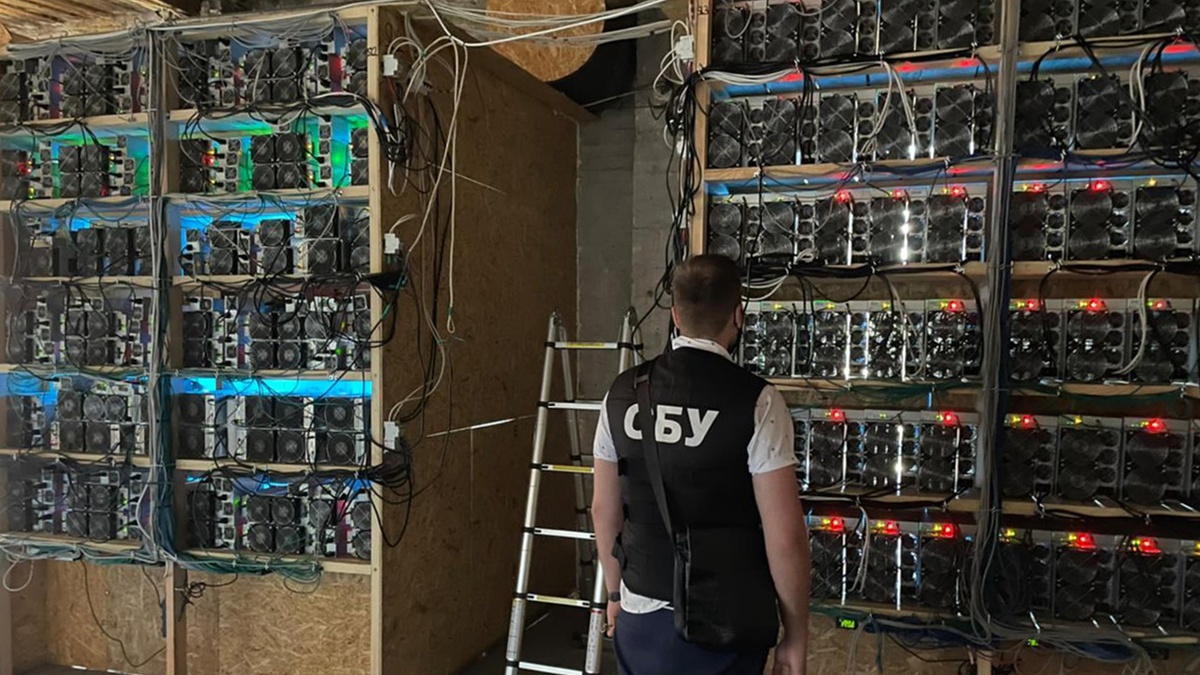
Ukraine faces one of the most significant reconstruction challenges in modern history following years of conflict. With infrastructure devastated, energy systems compromised, and the economy strained, policymakers are exploring unconventional solutions to rebuild their nation. One emerging opportunity gaining attention is cryptocurrency mining, particularly bitcoin mining, as a potential economic engine for post-war recovery. While this proposition may seem unconventional, the intersection of digital currency innovation and national reconstruction presents a compelling case worth examining.
The question isn’t whether Ukraine should consider bitcoin mining in isolation, but rather how blockchain technology and crypto mining operations could complement traditional reconstruction efforts. Ukraine’s strategic geographic location, existing technical expertise, and abundant renewable energy resources create a unique opportunity to position itself as a global player in the digital asset mining industry. However, this opportunity comes with significant challenges, including energy stability concerns, environmental considerations, and the need for clear regulatory frameworks.
This article explores the multifaceted relationship between cryptocurrency mining and Ukraine’s post-war reconstruction, examining both the potential benefits and legitimate concerns. By analyzing economic opportunities, energy implications, and practical implementation strategies, we can better understand whether bitcoin mining infrastructure should play a role in Ukraine’s recovery narrative.
The Current State of Ukraine’s Post-War Reconstruction
Ukraine’s reconstruction needs are staggering and multifaceted. Estimates suggest that rebuilding damaged infrastructure will require hundreds of billions of dollars. Beyond physical reconstruction, the country faces urgent challenges in restoring essential services, revitalizing its economy, and creating employment opportunities for millions of displaced citizens. Traditional funding mechanisms, while important, may not be sufficient to address the scale of destruction and the speed at which recovery is needed.
The digital economy presents an alternative avenue for generating revenue and attracting international investment. Unlike traditional manufacturing or resource extraction, cryptocurrency mining operations require minimal physical infrastructure beyond secure facilities and reliable power supplies. For a nation rebuilding from conflict, this represents a pragmatic advantage. Ukraine’s existing pool of talented software developers, engineers, and tech professionals positions it well to manage sophisticated blockchain mining operations.
Furthermore, the international community has demonstrated willingness to support Ukraine’s recovery through various channels. A cryptocurrency mining sector could attract private investment from global tech entrepreneurs and financial institutions seeking profitable operations in stable jurisdictions. This model has already proven successful in other countries, where digital currency ventures have generated substantial tax revenue and employment opportunities without requiring massive upfront government investment.
Economic Opportunities: How Bitcoin Mining Could Fuel Recovery
Revenue Generation and Tax Benefits
Bitcoin mining represents a significant revenue-generating opportunity for Ukraine’s government through taxation and licensing fees. Unlike traditional industries that require years to develop infrastructure and generate returns, cryptocurrency mining operations can become operational within months. Each unit of bitcoin produced generates taxable income that could be directed toward reconstruction projects.
The profit margins in cryptocurrency mining vary based on electricity costs and bitcoin price fluctuations, but in locations with favorable energy economics, operations remain highly profitable. For Ukraine, particularly regions with access to renewable energy sources or underutilized power plants, these margins could be substantial. A well-regulated mining industry could generate hundreds of millions of dollars annually, creating a dedicated funding stream for reconstruction efforts that exists independently of traditional government budgets or international aid.
Beyond direct taxation, bitcoin mining facilities would attract skilled workers, requiring support services, security personnel, and technical staff. This secondary employment effect would stimulate local economies in regions chosen for mining operations, creating jobs precisely when Ukrainian communities need economic revitalization. The multiplier effect of these wages circulating through local economies could accelerate broader reconstruction efforts.
Attracting Foreign Investment and Technical Expertise
The global cryptocurrency mining industry represents a multi-billion dollar sector with active investors constantly seeking optimal operational locations. Ukraine’s combination of low labor costs, technical talent, and potential energy advantages makes it an attractive destination for digital asset entrepreneurs. Unlike foreign direct investment in traditional sectors, which often requires extensive negotiations and infrastructure development, cryptocurrency mining ventures can establish operations relatively quickly once regulatory frameworks are established.
This influx of international capital and expertise would bring not only direct investment but also knowledge transfer and technological advancement. Blockchain technology professionals from around the world would establish operations in Ukraine, creating collaborative networks that extend beyond mining into broader technology sectors. This ecosystem development could position Ukraine as a regional tech hub, attracting software development companies, cryptocurrency exchanges, and fintech startups that build upon the infrastructure established by mining operations.
Energy Considerations: The Critical Challenge
Renewable Energy Integration and Utilization
Ukraine possesses significant renewable energy potential, including solar, wind, and hydroelectric capacity. A major challenge post-war reconstruction presents is channeling these resources productively while rebuilding traditional energy infrastructure. Bitcoin mining operations could serve as flexible load consumers for renewable energy that might otherwise be difficult to integrate into traditional grids or stored efficiently.
Unlike manufacturing or residential consumption, cryptocurrency mining requires consistent power but can tolerate brief interruptions and operates flexibly regarding timing. This characteristics makes mining facilities ideal anchor tenants for new renewable energy projects. A mining operation could absorb excess renewable generation during peak production periods, essentially functioning as a massive battery for the energy system. This would allow Ukraine to maximize returns on renewable infrastructure investments while supporting the development of cleaner energy sources.
Moreover, underutilized power plants—particularly those previously fueled by coal or natural gas—could be retrofitted or repurposed for cryptocurrency mining. This approach would prevent resource waste while maintaining employment for skilled power plant workers transitioning into the emerging digital mining industry. The energy sector expertise developed during Ukraine’s Soviet era remains relevant and valuable in managing large-scale mining operations.
Addressing Energy Stability and Grid Recovery
The critical concern regarding bitcoin mining and Ukraine’s reconstruction is energy stability. The electrical grid suffered significant damage during conflict, and full restoration requires substantial investment and time. Introducing large-scale cryptocurrency mining operations during the early recovery phase could strain limited energy resources, potentially diverting power from essential civilian reconstruction needs.
This challenge is not insurmountable but requires careful strategic timing and prioritization. Rather than implementing mining operations immediately, a more prudent approach would involve establishing pilot programs once energy grid capacity reaches threshold stability levels. This phased implementation ensures that Ukraine’s reconstruction priorities—restoring heating systems, water treatment, hospitals, and residential power—receive necessary resources before cryptocurrency mining scaling.
Additionally, energy agreements could be structured to benefit both mining operations and reconstruction efforts. Revenue from mining facilities could be specifically directed toward electrical infrastructure upgrading, creating a virtuous cycle where cryptocurrency mining profitability directly funds the grid improvements necessary to support expanded operations. This model ensures that mining doesn’t compete with reconstruction needs but rather accelerates progress toward self-sustaining energy independence.
Regulatory Framework: Building a Sustainable Ecosystem
Establishing Clear Licensing and Compliance Standards
For bitcoin mining to contribute meaningfully to Ukraine’s reconstruction, government authorities must establish clear, stable regulatory frameworks that provide operational certainty while protecting national interests. A licensing system should specify operational requirements, environmental standards, labor protections, and taxation rates that balance attraction of international investors with fair returns to the Ukrainian state.
Successful cryptocurrency mining jurisdictions worldwide have demonstrated that thoughtful regulation actually attracts legitimate operators while deterring illicit activities. Clear rules regarding power consumption limits, location restrictions, and environmental monitoring requirements would position Ukraine as a responsible digital asset destination. Such frameworks would increase investor confidence and potentially command premium pricing for mining operations based in Ukraine, compared to less regulated jurisdictions.
The regulatory approach should also address cryptocurrency exchange operations and related services, creating a comprehensive blockchain industry ecosystem rather than isolated mining operations. This holistic approach would attract not only miners but also developers, traders, and service providers, creating a more resilient economy less dependent on mining alone.
Environmental and Social Accountability
Environmental considerations must be central to any regulatory framework governing bitcoin mining in Ukraine. While cryptocurrency mining is often criticized for energy consumption, this criticism conflates location-agnostic mining with energy efficiency discussions. Mining powered by renewable energy is genuinely green; mining powered by fossil fuels is genuinely problematic.
Ukraine’s regulatory framework should mandate that mining operations utilize renewable or low-carbon energy sources, essentially baking environmental responsibility into the operational model from inception. This approach transforms mining from a potential environmental liability into an environmental positive that drives renewable energy development. The precedent from Iceland and other jurisdictions demonstrates this viability convincingly.
Social accountability should address labor standards, community impact assessments, and benefit-sharing arrangements. Mining facilities should employ local workers, contribute to community development funds, and maintain transparent communication with neighbors. This socially conscious approach to cryptocurrency mining would align the industry with Ukraine’s broader reconstruction values rather than positioning it as an exploitative foreign enterprise.
Technological Infrastructure and Human Capital
Leveraging Ukraine’s Technical Excellence

Ukraine possesses one of the world’s largest pools of talented software engineers, mathematicians, and technology professionals. The country’s educational emphasis on STEM subjects and proven track record in producing elite technical talent positions it uniquely to not merely host bitcoin mining operations but to develop indigenous capacity in blockchain technology innovation and optimization.
Rather than serving solely as a mining location hosting foreign operations, Ukraine could develop homegrown cryptocurrency mining companies that manage operations, optimize blockchain protocols, and develop related technologies. This indigenous capacity building would create long-term economic value transcending a single commodity or industry. Ukrainian engineers could become recognized experts in digital asset infrastructure, contributing to global blockchain development while building profitable enterprises rooted in Ukrainian innovation.
Training programs and educational initiatives could prepare Ukraine’s workforce for roles throughout the cryptocurrency mining ecosystem—from electrical engineers optimizing power delivery to software specialists maintaining blockchain networks to business managers scaling operations. This skills development would create durable competitive advantages that persist long after immediate post-war reconstruction concludes.
Building Secure and Efficient Operations
Cryptocurrency mining operations require world-class cybersecurity, as they handle digital assets of extraordinary value. Developing this expertise would position Ukraine as a trusted location for sensitive digital asset operations beyond mining alone. Financial institutions, technology companies, and cryptocurrency exchanges might establish regional headquarters or key operations in Ukraine, knowing they would access unparalleled technical talent and rigorous security standards.
Investing in educational institutions, research centers, and innovation hubs focused on blockchain technology and cryptocurrency systems would create self-reinforcing ecosystems attracting talent and investment. Universities could develop specialized degree programs, creating a pipeline of professional expertise. Technology parks housing mining operations, blockchain startups, and research institutions would generate synergies accelerating innovation and commercialization.
Challenges and Realistic Constraints
International Regulatory Uncertainty
The global regulatory environment surrounding cryptocurrency and bitcoin mining remains in flux, with different jurisdictions adopting contradictory approaches. Some nations embrace digital currency innovation enthusiastically, while others impose restrictive regulations or outright bans. Ukraine’s regulatory strategy must account for this uncertainty, avoiding overcommitment to an industry that could face international restrictions or adverse regulatory changes.
Additionally, major cryptocurrency exchanges and institutional investors increasingly consider environmental factors and regulatory compliance when allocating capital. Ukraine must position its mining sector as environmentally responsible and transparently regulated to maintain access to capital markets and avoid international criticism that could undermine broader reconstruction efforts.
Balancing Reconstruction Priorities
Post-war reconstruction involves countless urgent needs competing for limited resources. Energy, in particular, is essential for residential heating, medical facilities, water treatment, and industrial recovery. Bitcoin mining cannot ethically be prioritized over these foundational reconstruction needs. Any implementation must occur within a framework ensuring that mining operations enhance rather than hinder progress toward these core objectives.
The sequencing of development matters critically. Early-stage reconstruction should focus on restoring essential services and infrastructure. Once stability reaches adequate levels—perhaps within two to three years—scaled cryptocurrency mining could contribute meaningfully to ongoing development. This timeline allows mining operations to complement rather than compete with immediate reconstruction priorities.
International Precedents and Comparative Analysis
Several countries have successfully integrated cryptocurrency mining into their economies, providing valuable lessons for Ukraine. El Salvador’s adoption of bitcoin as legal tender and subsequent mining initiatives, despite controversial aspects, demonstrated genuine interest in leveraging digital currencies for economic development. Iceland developed significant cryptocurrency mining capacity powered by geothermal energy, creating a model of environmentally sustainable mining operations that generates national revenue.
Kazakhstan emerged as a major bitcoin mining hub following China’s 2021 mining restrictions, attracting substantial international investment and demonstrating rapid capacity scaling. These precedents show that emerging economies can successfully enter the cryptocurrency mining sector, attracting capital and expertise while generating meaningful economic benefits.
However, each context differs materially. Ukraine’s unique combination of reconstruction needs, technical talent, renewable energy potential, and strategic geopolitical position creates a distinct situation. Rather than copying other models wholesale, Ukraine should develop customized approaches that maximize benefits while addressing specific local challenges and priorities.
Conclusion
The question of whether Ukraine needs bitcoin mining for post-war reconstruction doesn’t yield a simple yes or no answer. Rather, cryptocurrency mining represents one tool among many that could potentially contribute to Ukraine’s recovery if implemented thoughtfully within appropriate constraints and regulatory frameworks.
Bitcoin mining offers genuine economic opportunities including revenue generation, employment creation, foreign investment attraction, and strategic positioning within emerging digital asset industries. Ukraine’s technical talent, renewable energy potential, and strategic location create favorable conditions for successful mining operations. However, these opportunities come alongside legitimate challenges including energy stability concerns, environmental considerations, and regulatory uncertainties requiring careful management.
The most realistic path forward involves measured integration of cryptocurrency mining into Ukraine’s reconstruction strategy. Rather than viewing mining as a primary or urgent recovery mechanism, it should be positioned as a complementary economic initiative implemented once foundational reconstruction reaches adequate stability. Early phases should focus on pilot programs, regulatory framework development, and capacity building. As reconstruction progresses and energy systems stabilize, mining operations could scale meaningfully, generating revenue streams dedicated to continued development.
Ultimately, Ukraine’s reconstruction will depend on diverse funding sources, diverse industries, and diverse strategies. Cryptocurrency mining can meaningfully contribute to this diversified approach, particularly if it drives renewable energy development and attracts talented international investors and technology professionals. Rather than asking whether Ukraine needs bitcoin mining, the more productive question becomes: How can Ukraine strategically integrate cryptocurrency mining into its reconstruction narrative to maximize economic benefit while maintaining focus on foundational priorities and environmental responsibility?
Frequently Asked Questions
Q: Will bitcoin mining worsen Ukraine’s energy crisis during reconstruction?
Bitcoin mining could potentially strain early-stage reconstruction efforts if implemented prematurely, but this isn’t inevitable. The key is sequencing—implementing mining operations only once energy grid stability reaches adequate levels.
Q: How much revenue could Ukraine realistically generate from cryptocurrency mining?
Revenue potential depends on operational scale, electricity costs, bitcoin price levels, and regulatory structures. A moderate-scale mining operation consuming 50-100 megawatts could generate $100-300 million annually in gross revenues, with government revenue from taxation potentially reaching $30-100 million yearly depending on tax structures.
Q: What environmental concerns should Ukraine address regarding bitcoin mining?
The primary environmental concern involves energy sourcing. Cryptocurrency mining powered by fossil fuels raises legitimate sustainability questions. Ukraine should mandate that mining operations utilize renewable energy sources, making environmental responsibility a prerequisite for licensing rather than an afterthought.
Q: Could bitcoin mining create security vulnerabilities for Ukraine?
Cryptocurrency mining operations do concentrate valuable digital assets, requiring robust cybersecurity. However, Ukraine’s substantial technical talent can address these challenges effectively.
Q: What’s the realistic timeline for implementing bitcoin mining in Ukraine?
Rather than immediate implementation, a phased approach makes more sense. Years one to two should focus on regulatory framework development and limited pilot programs. Years two to three could involve modest scaling as reconstruction progresses.
