


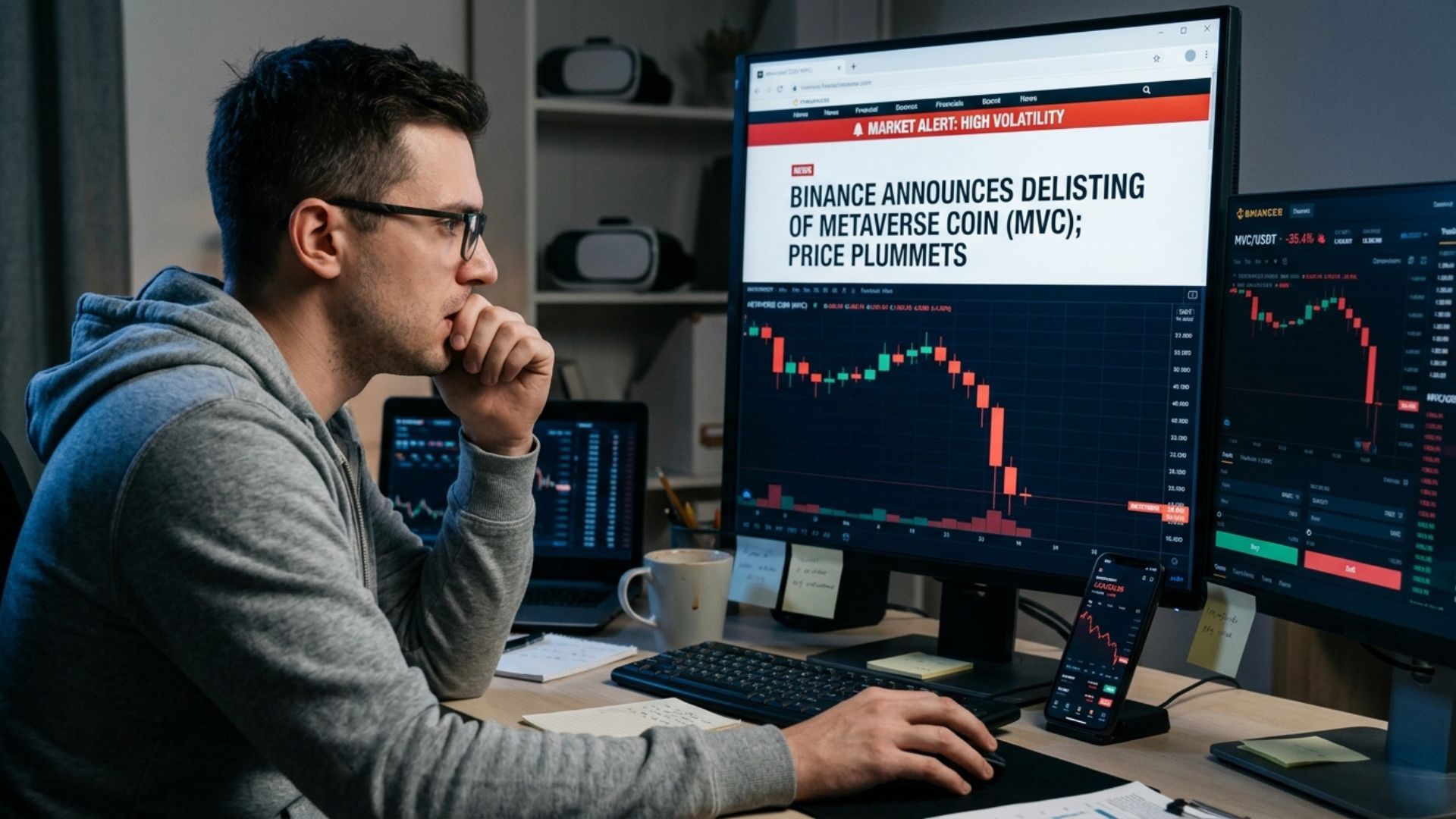
The cryptocurrency market has always been volatile, but recent developments surrounding Binance’s delisting announcement have sent shockwaves through the metaverse coin ecosystem. When major exchanges like Binance decide to delist a cryptocurrency, it often signals deeper concerns about the asset’s viability, regulatory compliance, or market sustainability. The popular metaverse coin that once promised to revolutionize digital interactions and virtual economies now faces an uncertain future as trading pairs disappear from one of the world’s largest cryptocurrency platforms.
This delisting event represents more than just a routine business decision. It reflects growing scrutiny from regulatory bodies worldwide and mounting pressure on exchanges to ensure compliance with evolving cryptocurrency regulations. For investors holding significant positions in this metaverse digital asset, the news came as a devastating blow, triggering panic selling and accelerating the downward price movement. The combination of negative market sentiment, reduced liquidity, and diminished accessibility has created what many analysts describe as a perfect storm for this once-promising blockchain project.
The implications extend far beyond individual investors. The metaverse coin delisting demonstrates how dependent emerging blockchain projects are on major exchange listings for survival. When liquidity dries up and trading volumes plummet, the asset becomes increasingly difficult to trade, forcing investors to accept unfavorable prices or hold onto depreciating holdings. This article explores the factors behind Binance’s delisting decision, examines the ripple effects on the metaverse ecosystem, and analyzes whether recovery is possible or if the price heading towards zero is an inevitable conclusion.
The Binance Delisting Decision: What Happened?
Understanding the Reason Behind the Delisting
When Binance delisting news first broke, it sent tremors throughout the cryptocurrency community. Binance, as the world’s largest cryptocurrency exchange by trading volume, wields tremendous influence over which digital assets succeed or fail in the market. The decision to delist any cryptocurrency is rarely taken lightly and typically involves careful consideration of multiple factors, including regulatory pressures, trading volumes, user protection concerns, and market manipulation risks.
The metaverse coin delisting appears to have been triggered by a combination of regulatory concerns and declining trading activity. Several regulatory agencies globally have begun scrutinizing metaverse-related projects more intensely, questioning whether these tokens represent legitimate utility or merely speculative gambling instruments. Additionally, the project behind this digital token faced ongoing challenges with transparency, development progress, and community engagement, which raised red flags for exchange operators concerned about customer protection.
Binance’s decision to remove the metaverse digital asset from its platform represented a significant turning point. The exchange didn’t make this move in isolation; other major platforms had already begun distancing themselves from similar projects, suggesting industry-wide concerns about the sustainability and legitimacy of certain metaverse tokens. This coordinated delisting pattern indicates that the problems facing this particular cryptocurrency extend beyond a single exchange’s concerns.
The Timeline of Events Leading to the Delisting
Understanding the cryptocurrency delisting timeline helps clarify how circumstances deteriorated for this metaverse token. In the months preceding the official announcement, several warning signs emerged. Trading volume on Binance for this blockchain token had been declining steadily, reflecting waning investor interest. Development updates from the project became increasingly sporadic and vague, failing to address community concerns about the token’s utility and long-term vision.
Regulatory investigations into the project’s management and token distribution practices intensified during this period. Authorities in multiple jurisdictions began examining whether the metaverse coin project had violated securities laws or engaged in deceptive marketing practices. These regulatory pressures mounted gradually but inevitably, creating an environment where Binance felt obligated to protect its users and maintain its compliance standing.
The announcement itself came with relatively short notice to traders, adding to the panic. Many investors holding significant positions in this digital asset suddenly found themselves needing to exit trades quickly or face the consequences of trading on secondary markets with much wider spreads and lower liquidity. This rushed exit scenario created perfect conditions for capitulation selling, where desperate investors accept any price just to exit their positions.
Market Impact: How the Delisting Affected the Coin’s Value
The Immediate Price Collapse
The metaverse coin price collapse following the Binance delisting announcement was swift and severe. Within hours of the news becoming official, the token’s value plummeted as investors rushed to salvage whatever they could from their positions. The cryptocurrency price decline reflected not just the removal of liquidity from Binance but also the psychological impact of major exchange abandonment, which signals to the broader market that serious problems exist with the project.
This immediate price action demonstrated the fragility of many cryptocurrency projects that lack deep, diversified liquidity sources. When trading concentrates on a single exchange like Binance, the removal of that trading venue eliminates access for millions of potential traders. The token delisting impact became immediately apparent as bid-ask spreads widened dramatically on remaining exchanges, making it increasingly expensive for investors to sell positions without accepting severe price discounts.
The capitulation selling continued for days after the initial announcement as late-arriving investors finally accepted the reality of the situation. Each wave of selling created fresh lows, establishing a pattern of declining support levels that traders often interpret as validation of further downside potential. This psychological momentum toward lower prices created what technicians call a “death spiral,” where declining prices trigger automated selling, which causes further price declines.
The Liquidity Crisis That Followed
One of the most damaging consequences of the metaverse coin delisting has been the severe liquidity crisis that followed. Liquidity represents the ease with which an asset can be bought or sold without dramatically affecting its price. When Binance removed the token from its platform, it eliminated the primary source of liquidity for most traders, forcing trading activity onto smaller, less-trafficked exchanges with significantly higher friction.
This liquidity shortage created a vicious cycle. As trading became more difficult and expensive, fewer investors attempted to trade the token, which further reduced available liquidity. The wider spreads between buy and sell prices made it economically irrational for many investors to exit positions, effectively trapping capital in a deteriorating asset. Over-the-counter trading became the only viable option for large position holders, who had to accept massive discounts to move significant volumes.
The liquidity crisis also prevented any potential recovery attempts. Even if positive news about the project emerged, the lack of accessible trading venues would prevent investors from buying into any recovery. This structural problem—the absence of trading infrastructure—represents one of the most significant threats to the metaverse token’s ability to ever regain value. Without exchanges willing to provide trading services, the asset becomes essentially worthless regardless of its theoretical value proposition.
Why Investors Are Concerned: The Road to Zero
The Regulatory Headwinds Facing Metaverse Projects
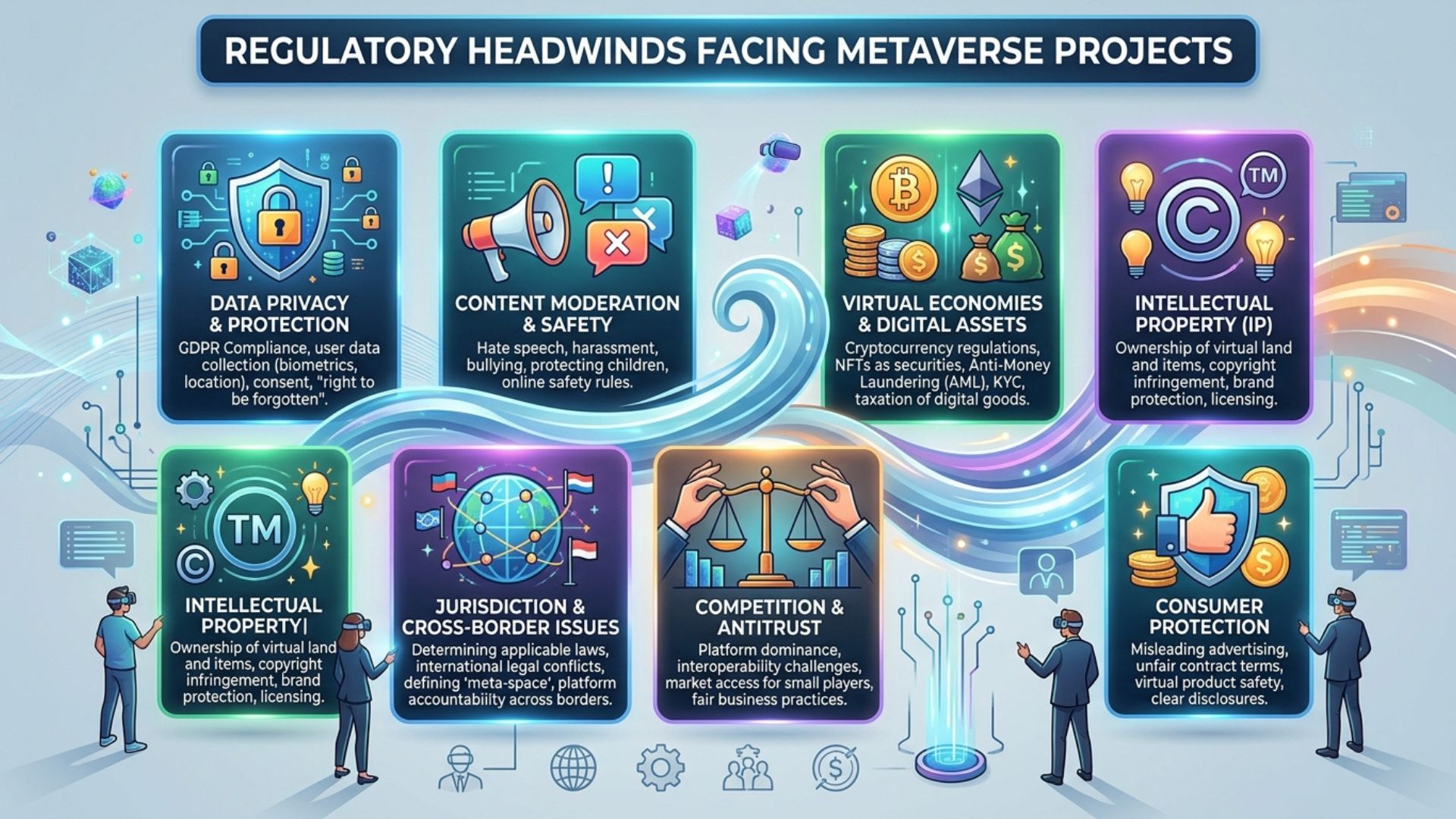
The broader regulatory environment surrounding metaverse cryptocurrency projects has deteriorated significantly. Government agencies worldwide have begun scrutinizing the metaverse coin sector with increasing intensity, questioning whether these tokens represent legitimate investments or merely speculative instruments designed to enrich early participants at the expense of retail investors. This regulatory skepticism applies particular pressure to projects with weak fundamentals or unclear utility.
The cryptocurrency regulation landscape continues to evolve, with regulators becoming increasingly willing to pursue enforcement actions against projects deemed to be operating outside legal boundaries. Several high-profile enforcement actions against metaverse-related platforms have created an environment where exchanges exercise greater caution before listing or maintaining trading for such tokens. This regulatory crackdown explains why multiple exchanges have independently made similar decisions regarding metaverse token delistings.
Investors rightfully worry that delisting from Binance signals that the digital asset may face similar treatment from other exchanges. If the trend continues and additional major platforms remove the token, the situation could deteriorate much further. The regulatory environment suggests that this delisting may represent just the beginning of a broader exodus of exchanges from the metaverse token space, particularly for projects with questionable fundamentals.
Fundamental Project Challenges
Beyond regulatory concerns, the underlying metaverse coin project itself faces significant fundamental challenges. The development team has struggled to deliver on promised features and upgrades, leaving the community frustrated with continued delays and missed milestones. This lack of execution raises serious questions about whether the team possesses the competence and commitment necessary to build a viable metaverse platform.
The project’s utility remains poorly defined and unconvincing to many observers. Unlike established cryptocurrencies with clear use cases—Bitcoin as a store of value, Ethereum for smart contracts—this metaverse token struggles to articulate what specific problems it solves or what genuine value it provides beyond speculative price appreciation. This fundamental weakness makes it particularly vulnerable to delisting decisions by risk-conscious exchanges protecting their user base.
Community trust has also deteriorated significantly. Long-time supporters of the project have grown frustrated with the lack of transparency regarding token allocation, development priorities, and financial sustainability. Allegations of improper token distribution, questionable marketing practices, and questions about the team’s qualifications have eroded confidence in the project’s leadership. When fundamental trust breaks down, recovery becomes exponentially more difficult regardless of market conditions.
The Psychological Impact of Abandonment by Major Exchanges
The psychological impact of being delisted by Binance cannot be overstated. For many investors, a Binance listing represented validation that the cryptocurrency was legitimate and worth holding. The delisting sends the opposite message—that serious problems exist with the project, serious enough that the world’s largest exchange decided to stop supporting it. This perception shift, regardless of the specific reasons, fundamentally changes how potential investors evaluate the asset.
The token abandonment signal also affects institutional investment decisions. Professional investors rely on exchange listings from reputable platforms as one indicator of legitimacy. When major exchanges delist a token, institutional capital typically disappears entirely, as most fund managers and qualified investors lack the confidence to trade through secondary venues. This institutional withdrawal removes a significant source of potential value support.
The Technical Analysis: Charting a Course Toward Zero
Support Levels Evaporating Below Current Prices
Technical analysis of the metaverse coin price chart reveals a troubling pattern of declining support levels, with each bounce failing to reach previous resistance points. The charting pattern suggests that rather than stabilizing at some floor level, the token could continue declining through multiple psychological and technical support zones. Previous support levels that once held during normal market conditions have failed to provide any meaningful support during this crisis.
The absence of institutional buyers willing to purchase at declining prices removes the typical market dynamic that creates floor prices. Without institutions buying the dip—a pattern that occurs with most legitimate cryptocurrency projects—the asset continues to find lower levels as retail holders gradually capitulate. This technical deterioration, combined with the lack of positive catalysts, suggests that lower prices remain possible despite already severe declines.
Volume Patterns Indicating Continued Weakness
The trading volume patterns following the delisting announcement paint a concerning picture. While volume initially spiked due to panic selling, subsequent volume has declined substantially, which typically indicates a lack of buying interest at current levels. High volume combined with declining prices suggests indiscriminate selling; low volume at declining prices suggests a continued absence of support, with prices declining in smaller increments as fewer holders remain willing to sell at any price.
This volume divergence—declining prices on declining volume—typically precedes either stabilization at a much lower level or further cascade declines when another wave of selling emerges. The absence of strong buy volume at significantly reduced prices suggests that current valuations still exceed what most market participants believe justified, potentially leaving substantial downside remaining.
Alternative Exchanges and Secondary Markets: Not a Viable Solution
The Limitations of Secondary Trading Venues
While the metaverse token does trade on smaller exchanges and decentralized platforms following the Binance delisting, these alternatives provide inadequate solutions for most investors. Secondary exchanges typically offer significantly lower liquidity, wider spreads between buy and sell prices, and often carry higher counterparty risk. The friction involved in trading these alternative venues makes them impractical for most investors seeking reasonable exit prices.
The liquidity fragmentation that results from trading across multiple smaller platforms creates its own problems. Price discovery becomes difficult when trading occurs in isolated venues with minimal connection to each other. Assets that trade across fragmented liquidity pools often experience large price divergences, with some exchanges showing substantially lower prices than others. This fragmentation prevents any single exchange from establishing itself as the price-finding mechanism, creating confusion and uncertainty in the market.
Why Decentralized Exchange Trading Isn’t Enough
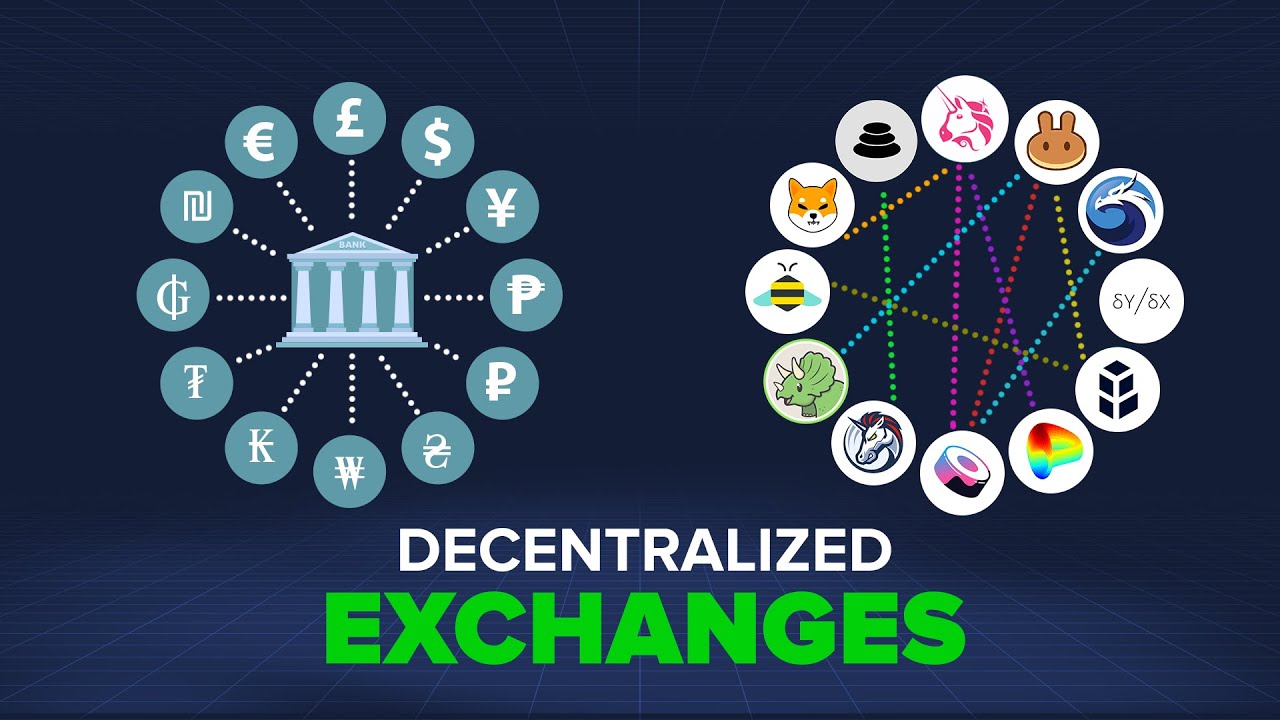
Decentralized exchanges (DEX platforms) represent another alternative for trading the delisted metaverse token. However, these platforms typically feature significantly lower liquidity and higher slippage costs—the difference between expected and actual trade execution prices. For large position holders needing to exit substantial holdings, DEX trading often proves impractical due to these slippage costs, which can easily exceed ten to twenty percent for meaningful volume transactions.
The technical complexity of DEX trading also limits participation, as many retail investors lack the sophistication to navigate these platforms safely. This restricted user base further limits liquidity, creating a vicious cycle where potential traders avoid DEX platforms due to poor execution, which reduces available liquidity and makes execution worse for those who do attempt trades. These structural limitations suggest that alternative trading venues cannot substitute for a major exchange listing.
Could Recovery Be Possible? Assessing the Realistic Scenarios
The Requirements for Any Meaningful Recovery
For the metaverse coin to recover meaningfully, several extremely difficult conditions would need to be met simultaneously. First, the project team would need to deliver substantial, visible progress on promised features—not minor updates but transformative developments that fundamentally change perceptions about the project’s viability. Second, the regulatory environment would need to shift in favor of metaverse tokens specifically, or this particular project would need to achieve regulatory clarity and approval.
Additionally, major exchanges would need to decide the delisting was a mistake and voluntarily relist the token, which seems unlikely given the decision represented a deliberate choice based on specific concerns. Alternatively, new major exchanges would need to list the token, signaling confidence and attracting back institutional and retail capital. Each of these conditions independently represents a challenging requirement; achieving all simultaneously borders on impossible in realistic scenarios.
The reputational damage from the delisting represents another substantial barrier to recovery. Investors who sold at losses will retain bitter memories of the experience. Re-engaging this capital will require extraordinary demonstrations of competence and progress, which seems unlikely given the team’s historical execution difficulties. New investors will struggle to justify buying an asset that major exchanges actively rejected, even if market conditions improve.
Investor Protection: What Token Holders Should Consider Now
Evaluating Your Position
Investors holding this metaverse token should objectively evaluate their positions without emotional attachment to previous valuations or investment theses. The fundamental reality has changed with the Binance delisting—the asset has moved from a legitimate exchange-listed cryptocurrency to a nearly delisted token trading on secondary venues. This status change fundamentally alters the risk profile and liquidity characteristics of the holding.
Rather than hoping for recovery, investors should consider their position size within their overall portfolio and whether continued exposure to this specific risk makes sense. For investors who can afford the loss, holding through further declines may be a rational choice if they believe in an extremely unlikely recovery scenario. For investors who cannot afford additional losses, accepting current prices and reallocating capital to more promising opportunities may represent the prudent course.
Diversification Lessons from the Delisting
The cryptocurrency delisting event provides valuable lessons about the importance of diversification and exchange risk assessment. Investors who concentrated significant capital in a single metaverse token learned the painful way that exchange listings cannot be taken for granted. Going forward, investors should carefully evaluate whether their preferred cryptocurrency projects have genuine utility, diverse funding sources, and strong community support before committing substantial capital.
The metaverse sector’s challenges suggest that investors should approach metaverse-focused tokens with particular skepticism until these projects demonstrate sustained execution and regulatory clarity. The delisting illustrates how quickly narratives can shift and positions can deteriorate when external factors—like exchange decisions or regulatory actions—move against an asset lacking fundamental strength.
Conclusion
The Binance delisting news surrounding the popular metaverse coin represents a watershed moment in the project’s history, signaling fundamental problems that extend far beyond routine exchange business decisions. The combination of regulatory pressures, project execution failures, liquidity crises, and psychological market dynamics has created an environment where price decline toward lower levels seems probable rather than merely possible. While absolute zero may remain technically unlikely, the realistic recovery scenario seems so improbable that current investors should treat their positions accordingly.
The delisting demonstrates how vulnerable cryptocurrency projects remain when dependent on major exchange infrastructure for trading and price discovery. Without Binance’s liquidity and accessibility, the metaverse token has lost its primary connection to the broader cryptocurrency market. This structural disconnection, combined with the negative signals the delisting sends about the project’s legitimacy, creates powerful headwinds against recovery.
Investors should recognize that this situation likely represents not an isolated incident but rather part of a broader correction in the metaverse token space where unrealistic promises are finally meeting market reality. The lessons from this delisting event will echo through the cryptocurrency industry, potentially triggering more selective listing practices at major exchanges and increased scrutiny of metaverse projects seeking legitimacy and liquidity.
