



The cryptocurrency ecosystem experienced a significant tremor in 2026 when CASHCAT, a prominent memecoin project, found itself in an unprecedented situation: its launchpad infrastructure disappeared, leaving approximately $226 million in token value hanging in the balance. This extraordinary event serves as a cautionary tale that extends far beyond a single project, highlighting fundamental vulnerabilities in how digital assets are launched, traded, and supported within the decentralized finance landscape. The saga of CASHCAT and the $226M question has prompted widespread discussions among crypto investors, blockchain developers, and market participants about the structural dependencies that many memecoin projects maintain with centralized platforms.
Memecoins, by their nature, occupy a unique position in the cryptocurrency market hierarchy. These projects often lack the sophisticated infrastructure, established business models, and regulatory compliance frameworks that characterize serious blockchain projects. Instead, memecoin communities build around humor, cultural moments, and speculative trading dynamics. However, this informality does not eliminate the financial stakes involved—when a memecoin accumulates a $226 million market capitalization, the consequences of infrastructure failure become very real for thousands of token holders who have committed genuine capital.
The disappearance of CASHCAT’s launchpad raises urgent questions about centralization risks in supposedly decentralized markets, the fragility of platforms upon which memecoin projects depend, and what recourse exists when critical infrastructure suddenly vanishes. Understanding this situation requires examining the mechanics of token launches, the role of launchpad platforms in the crypto ecosystem, and the cascade of consequences that follow when these intermediaries fail their communities. This comprehensive analysis explores the CASHCAT crisis, its implications for cryptocurrency investors, and the broader lessons about platform dependency in the digital asset space.
Memecoins and Their Market Dynamics
Memecoins represent one of the most volatile and speculative segments of the cryptocurrency market, yet they have demonstrated remarkable resilience and continued growth despite their unconventional nature. These digital tokens typically emerge from internet culture, social media trends, or community memes rather than solving specific technical problems or providing utility. Despite this seemingly frivolous origin, memecoin projects have occasionally achieved substantial valuations and cultivated passionate communities of holders and traders.
The Nature of Memecoin Communities
Memecoins succeed or fail based largely on community sentiment, social media engagement, and the perpetual hunt for the next “viral” token that might generate extraordinary returns. The memecoin market operates on principles of collective psychology and narrative power rather than traditional valuation metrics or fundamental analysis. A successful memecoin must capture cultural zeitgeist, maintain active community engagement, and continuously generate content that keeps the token relevant in rapidly evolving social media ecosystems.
The allure of memecoins lies partly in their accessibility—these projects often have minimal entry barriers, allowing retail investors to participate in token launches and early trading with relatively small amounts of capital. For many participants in the crypto market, memecoins represent lottery tickets with potentially asymmetric payoff profiles. The possibility of a 100x or 1000x return, however statistically improbable, drives participation that keeps memecoin markets active and occasionally produces genuine success stories.
However, this speculative character also creates structural vulnerabilities. Memecoin communities often lack the professional management, financial transparency, and institutional infrastructure that characterize established cryptocurrency projects. When challenges arise—such as when a launchpad platform vanishes—these communities frequently lack the organizational capacity to respond effectively or protect the interests of community members.
Historical Memecoin Success and Failures
The history of memecoin projects includes both spectacular successes and equally dramatic failures. Some memecoins, despite their whimsical origins, have established themselves as legitimate market participants with substantial market capitalizations and active trading communities. These successful projects typically evolve beyond their initial meme status, developing genuine utility or establishing strong enough community foundations to sustain value through multiple market cycles.
Conversely, countless memecoin projects have collapsed entirely, with token values declining to near-zero and communities dissolving after brief periods of excitement. The memecoin market exhibits winner-take-most dynamics where a small number of projects achieve genuine staying power while the vast majority prove to be temporary phenomena. Understanding CASHCAT’s predicament requires recognizing this historical context—even established memecoins with significant valuations exist in a precarious market segment prone to rapid reversals.
The Role of Launchpad Platforms in Token Economics
Launchpad platforms serve as critical infrastructure within the cryptocurrency ecosystem, functioning as the primary mechanisms through which new blockchain projects raise capital and distribute tokens to early supporters. These platforms essentially serve as gatekeepers and intermediaries, vetting projects (to varying degrees), managing token distribution mechanisms, and providing the technical infrastructure that enables coordinated token launches.
How Crypto Launchpads Function
Crypto launchpads operate by connecting project teams seeking capital with investors seeking opportunities to participate in early-stage token projects. The launchpad platform typically handles several critical functions: vetting the legitimacy of projects, managing the token sale mechanics, securing investor funds, and distributing newly issued tokens according to predetermined allocation schedules. For memecoin projects particularly, launchpad platforms provide the credibility and organizational structure that these projects often lack independently.
The launchpad ecosystem has evolved considerably since its inception in the early 2020s. Early platforms were often highly selective, focusing exclusively on projects that demonstrated genuine technical innovation or clear utility propositions. Over time, as memecoins became increasingly profitable for platform operators, many launchpads expanded their offerings to include lower-barrier-to-entry projects that prioritized entertainment value and community engagement over technical sophistication.
Dependency Structures Created by Launchpads
A critical vulnerability emerges when memecoin projects develop significant dependencies on their launching platforms for market access, liquidity provision, or ongoing operational support. In CASHCAT’s case, the relationship between the project and its launchpad apparently created structural dependencies that left the token vulnerable when the platform encountered difficulties. When a launchpad hosts a token’s liquidity pools, manages its official trading venues, or serves as the primary communication channel between project teams and communities, the disappearance of that platform creates cascading operational and financial crises.
This dependency dynamic reflects a fundamental contradiction within cryptocurrency ecosystems that claim to be decentralized yet increasingly depend on centralized intermediaries. Memecoin projects may operate on blockchain networks that are theoretically decentralized, but if the practical infrastructure supporting those tokens concentrates on a single launchpad platform, the decentralization benefits disappear entirely when that platform fails.
The CASHCAT Project: Origins and Growth
CASHCAT emerged as a memecoin project that successfully captured sufficient community attention and trading activity to accumulate a substantial market capitalization of approximately $226 million. Like many successful memecoins, CASHCAT likely benefited from effective community marketing, timely launch during favorable market conditions, and perhaps strategic promotion through influential social media channels within the crypto community.
Initial Launch and Community Development
The CASHCAT token was presumably launched through a launchpad platform that provided the initial distribution mechanism and credibility signal for early adopters. Successful memecoin launches typically follow a pattern where early community building generates enthusiasm, the launchpad manages the token sale and initial trading, and secondary market activity on major cryptocurrency exchanges sustains liquidity and price discovery. CASHCAT apparently followed this trajectory successfully, accumulating enough trading volume and community engagement to achieve a $226 million valuation.
The project benefited from the standard memecoin advantages: low barrier to entry, clear entertainment value, and the perpetual possibility of extraordinary returns that attracts speculative capital. Community members presumably bonded around the CASHCAT brand, created memes and content, and participated actively in the ecosystem. Like most successful crypto communities, CASHCAT likely maintained active social media channels, possibly a community Discord server, and regular communication from project leadership.
The Critical Juncture: Platform Dependency Exposed
Despite the apparent success metrics that characterized CASHCAT at its peak, the project remained fundamentally dependent on its launchpad infrastructure in ways that only became apparent when that platform disappeared. This dependency likely included technical hosting of liquidity pools, providing market-making services, serving as the primary venue for token trading, or hosting critical project information and communication channels.
When the launchpad platform vanished, CASHCAT faced a sudden and severe crisis: its infrastructure evaporated, its liquidity mechanisms potentially disappeared, and the organized connection between CASHCAT and the broader cryptocurrency market severed. Token holders suddenly found themselves holding digital assets whose practical utility and tradability had been dramatically impaired. The $226 million in theoretical market value became increasingly difficult to access and convert into actual fiat currency or other cryptocurrencies.
The Disappearance: What Happened to CASHCAT’s Launchpad
Understanding precisely what occurred when CASHCAT’s launchpad disappeared requires examining the multiple possible explanations for such infrastructure failures. Launchpad platforms can disappear through various mechanisms, each with different implications for affected token projects and their communities.
Possible Causes of Platform Failure
Launchpad platforms might disappear due to technical infrastructure failures, regulatory pressure from government authorities, operational mismanagement, financial insolvency, or deliberate abandonment by platform operators. Some platforms have faced regulatory challenges when government authorities concluded that certain token launch activities constitute unregistered securities offerings or violate anti-money laundering requirements. Others have encountered technical security breaches, experienced financial losses that depleted operational reserves, or made poor business decisions that rendered them unsustainable.
In CASHCAT’s case, the specific cause of the launchpad’s disappearance remains critical context for understanding the situation. If the disappearance resulted from regulatory enforcement action, this might indicate that the launchpad platform was operating illegally and that continuation under the previous model was genuinely impossible. Conversely, if the disappearance resulted from technical failure or deliberate abandonment, this suggests negligence or misconduct by platform operators who had fiduciary obligations to CASHCAT and other projects depending on their infrastructure.
The Cascade of Consequences
Once a launchpad platform disappears, the consequences cascade rapidly through affected memecoin projects. Loss of liquidity infrastructure immediately impairs the ability of token holders to trade their assets. When thousands of CASHCAT holders suddenly lost easy access to their launchpad-provided trading venues, natural selling pressure surged as investors attempted to exit positions before the situation deteriorated further. This panic selling typically accelerates price declines as supply overwhelms remaining demand from traders seeking bargains.
Beyond immediate trading impacts, the disappearance of a launchpad often creates informational vacuums. If the launchpad hosted official project communications, hosted the website, or served as the primary point of contact between the project team and community, the loss of these channels breeds uncertainty and panic. Token holders lack clear information about whether the project team remains engaged, what contingency plans exist, or what practical next steps might restore value or functionality to the CASHCAT token.
The $226 Million Question: Where Did the Value Go?
The apparent $226 million market capitalization attributed to CASHCAT at its peak represents a hypothetical valuation based on multiplying circulating token supply by the last traded price. However, this calculation reveals a critical distinction between theoretical market value and actual recoverable value that becomes painfully apparent when launchpad infrastructure disappears.
Market Capitalization vs. Liquidity Reality
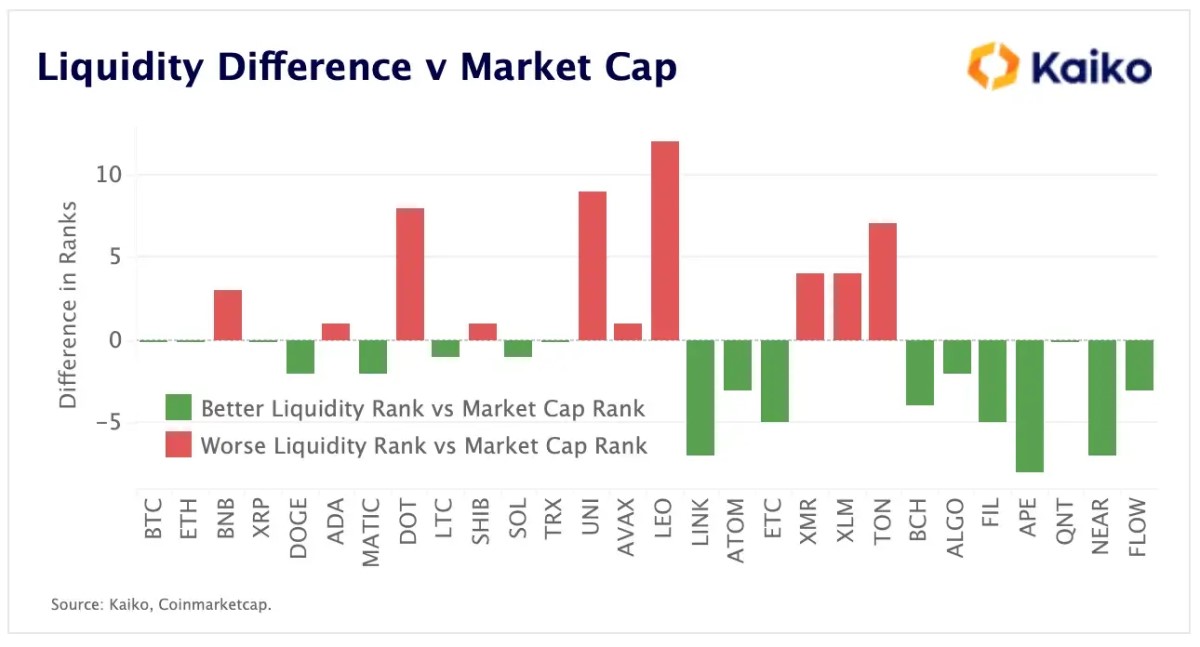
The gap between a cryptocurrency’s market capitalization and the actual liquidity available for converting that value into fiat currency or other assets can be vast, particularly for smaller projects like memecoins. A $226 million market capitalization might suggest that holders collectively own assets worth that amount, but attempting to actually sell all or even most CASHCAT tokens at current prices would crash the token’s value precipitously due to insufficient buy-side liquidity.
When CASHCAT’s launchpad disappeared, the limited liquidity that existed evaporated entirely. Holders attempting to convert their tokens into actual value discovered that the theoretical $226 million was never practically accessible to the community as a whole. At best, a small percentage of holders could exit at prices approximating pre-crisis valuations; the majority faced dramatically diminished liquidity and rapidly declining prices as the panic selling accelerated.
The Actual vs. Theoretical Value Collapse
In practical terms, the $226 million figure represents primarily theoretical value distributed across thousands of token holders, with only a tiny fraction of that value ever convertible at anything approaching the peak price. When the launchpad infrastructure vanished, the practical value available to the community contracted dramatically—perhaps to only a small fraction of the theoretical $226 million figure. The remainder of the value never actually existed in liquid, convertible form; it was always just the multiplication of circulating supply by a trading price that depended on continuous platform operation.
This situation illustrates a fundamental principle about memecoin valuations: they are entirely dependent on continuous market access and liquidity. Unlike tokens backed by real-world assets or providing genuine utility, memecoins derive value entirely from community sentiment and trading activity. Disrupt the infrastructure enabling that trading, and the value collapses regardless of what historical price charts suggest about the asset’s worth.
The Broader Implications for Cryptocurrency Investors
The CASHCAT crisis extends beyond a single project’s misfortune to raise systemic questions about how cryptocurrency investors should approach platform-dependent projects and the risks inherent in centralized infrastructure supporting supposedly decentralized assets.
Centralization Risk in Supposedly Decentralized Markets
One of cryptocurrency’s foundational promises involves reducing dependence on centralized intermediaries that might fail, disappear, or exercise control contrary to users’ interests. Yet the reality of how cryptocurrency projects, particularly memecoins, actually operate reveals pervasive centralization despite blockchain technology’s decentralizing potential. CASHCAT holders discovered that their token’s practical utility depended entirely on a centralized launchpad platform—the antithesis of decentralization despite the token’s residence on a blockchain.
This situation reflects a broader pattern within cryptocurrency markets. While blockchain networks themselves are decentralized, the supporting infrastructure—exchanges, launchpads, custodians, and other intermediaries—remains highly centralized. Token holders have no control over these platforms, cannot directly influence their operations, and have minimal recourse when they fail. CASHCAT’s experience suggests that even substantial market valuations provide no protection against the consequences of depending on centralized intermediaries.
Due Diligence and Platform Risk Assessment
The CASHCAT incident underscores the importance of performing comprehensive due diligence that extends beyond evaluating the token project itself to assessing the strength and reliability of the platforms upon which it depends. Cryptocurrency investors should investigate launchpad platforms’ financial stability, operational track records, regulatory compliance efforts, and technical security before committing capital to projects depending on specific platforms.
Questions that investors should ask include: Does the memecoin project have trading liquidity on multiple platforms, or is it concentrated on a single launchpad? Is the launchpad platform itself financially stable and regulated? What happens to the project if the launchpad disappears? Are there contingency plans? Has the project team demonstrated competence in managing infrastructure transitions? Failing to ask these questions contributed to CASHCAT holders facing the catastrophic consequences of platform dependency.
The Asymmetry of Risk and Knowledge
Memecoin communities typically include many retail investors with limited cryptocurrency experience and minimal resources for conducting sophisticated due diligence. These participants may understand that memecoins are risky and speculative, but they often lack the expertise to evaluate structural vulnerabilities like platform dependency. The enthusiastic marketing that accompanies successful memecoin launches rarely emphasizes infrastructure risks or the vulnerability to platform failure.
This asymmetry between the risks actually present and the risks that community members understand creates conditions for disasters like the CASHCAT situation. Professional investors and experienced crypto participants might have assessed platform dependency as unacceptable risk; retail investors simply saw a $226 million memecoin with community enthusiasm and perceived opportunity. When the launchpad disappeared, the knowledge gap between different categories of participants became painfully apparent.
What Happened to CASHCAT Holders: Recovery Prospects
The practical consequences for CASHCAT token holders ranged from severe losses to total financial devastation, depending on when they had purchased tokens and whether they retained the ability to exit positions after the platform crisis.
Immediate Impact on Token Tradability
When CASHCAT’s launchpad disappeared, the immediate impact involved sudden, dramatic loss of liquidity. Holders who retained tokens discovered that attempting to sell faced inadequate buyer interest at any price approaching pre-crisis valuations. The token’s price plummeted as panic selling accelerated and the community recognized that infrastructure dependencies had created genuine catastrophic risk.
Some fortunate holders who maintained vigilance and recognized the crisis immediately might have exited positions at only moderately reduced valuations. The vast majority of holders faced much worse outcomes, either panic selling at deeply discounted prices or holding essentially worthless tokens as the community dissolved and trading activity ceased entirely. The $226 million in aggregate value that existed minutes before the crisis disappeared with breathtaking speed once infrastructure failed.
Community Response and Recovery Attempts
In some cases, cryptocurrency communities facing launchpad failures have attempted to organize recoveries through decentralized alternatives. CASHCAT community members might have attempted to establish alternative trading venues, migrate to different platforms, or coordinate buyback efforts by the project team. However, such recovery efforts typically require project team competence, community coordination capacity, and available financial resources—none of which are guaranteed with memecoin projects.
The availability of decentralized exchange (DEX) platforms like Uniswap or SushiSwap theoretically allows CASHCAT token trading to continue without centralized launchpad infrastructure. However, this typically requires active project team involvement to establish liquidity pools and community awareness of the new trading venue. If the project team abandoned the project or proved incapable of managing infrastructure transitions, even this fallback option might not materialize.
Long-Term Prospects for CASHCAT and Similar Projects
The long-term prospects for CASHCAT depend critically on whether the project team remains engaged and capable of managing recovery. If competent leadership exists and proves willing to invest effort in rebuilding infrastructure, the community might recover some fraction of lost value through decentralized alternatives. However, memecoin projects often lack the institutional depth required to survive infrastructure crises; once initial momentum dissipates and community confidence erodes.
Conclusion
The CASHCAT Memecoin: $226M Crisis as Launchpad Disappears story serves as a powerful reminder that cryptocurrency investing involves substantial opportunities alongside significant risks. While meme coins can generate extraordinary returns during favourable market conditions, they also remain vulnerable to operational failures, liquidity problems, governance concerns, and investor panic.
The disappearance of the launchpad supporting CASHCAT Memecoin has intensified concerns regarding transparency and accountability within speculative crypto projects. Regardless of the final outcome, this incident reinforces the importance of thorough research, disciplined risk management, portfolio diversification, and emotional control.
As the cryptocurrency industry continues evolving, investors who prioritise education over hype will be better positioned to navigate future market uncertainty and identify projects with genuine long-term potential
