


The term “metaverse” refers to a collective virtual shared space where virtual reality (VR), augmented reality, the internet, user-generated content, and digital economies converge to create immersive and interconnected experiences.
It encompasses interconnected virtual worlds, persistent digital environments, and immersive technologies that blur the boundaries between physical and digital existence. As we move through 2026, major technology companies, startups, and entrepreneurs are investing billions of dollars into building the infrastructure and applications that will eventually comprise this expansive ecosystem.
Understanding the metaverse technology is crucial for anyone interested in the future of the internet, business, entertainment, and social interaction. This comprehensive guide will walk you through what the metaverse is, how it functions, why it matters, and what the future might hold as this revolutionary platform continues to evolve and mature.
What Exactly Is the Metaverse?
The metaverse explained in simplest terms refers to a collective virtual space where users can interact, work, play, and conduct commerce using avatars and immersive digital tools. Imagine a persistent online world—or rather, a collection of interconnected online worlds—where you don’t simply view content on a screen but actually inhabit and participate within it. Unlike traditional websites or social media platforms where you browse content, the metaverse is designed to be an experiential environment where presence and interaction feel genuine and immediate.
The concept draws inspiration from science fiction literature and films, particularly Neal Stephenson’s 1992 novel “Snow Crash,” which first popularized the term. However, the metaverse technology being developed today is grounded in real advancements in virtual reality (VR), augmented reality (AR), artificial intelligence, blockchain, and cloud computing. These technologies converge to create environments that feel convincingly real and allow for meaningful interactions between thousands or millions of users simultaneously.
One critical aspect of the metaverse definition is its emphasis on persistence and interoperability. A true metaverse isn’t just a single platform or application—it’s an ecosystem of interconnected spaces where your identity, assets, and progress can follow you seamlessly. This is fundamentally different from current virtual worlds like video games, where your character and possessions remain trapped within that specific game’s ecosystem.
How Does the Metaverse Work?
The Technology Behind Virtual Worlds
The infrastructure supporting metaverse platforms relies on several converging technologies working in concert. At the foundation, you have immersive technology such as virtual reality headsets, augmented reality glasses, and mixed reality devices that enable users to perceive and interact with digital environments. These hardware devices track user movements, eye contact, and hand gestures, translating physical actions into digital responses within the virtual world.
Behind the scenes, powerful cloud computing networks process vast amounts of data required to maintain persistent virtual environments. These servers render graphics, calculate physics simulations, manage user interactions, and coordinate millions of simultaneous users. The computing power necessary to support a truly massive metaverse is staggering, but advancements in cloud infrastructure have made this increasingly feasible. Graphics engines like Unreal Engine and Unity are being leveraged to create these rich, detailed virtual environments that users can explore and inhabit.
Avatar Creation and Customization
When you enter the metaverse, your presence is represented by an avatar—a digital embodiment of yourself. These avatars can range from realistic representations of your actual appearance to fantastical creations that express your imagination and personality. The avatar creation process has become increasingly sophisticated, allowing for detailed customization of physical features, clothing, accessories, and even behavioral animations.
Advanced avatar technology can capture subtle details like facial expressions and body language, making social interactions within the metaverse feel more natural and emotionally authentic. Some platforms are developing AI avatars that can represent you even when you’re not actively logged in, responding to messages and performing tasks on your behalf—a development that raises interesting questions about digital identity and representation.
Blockchain and Digital Ownership
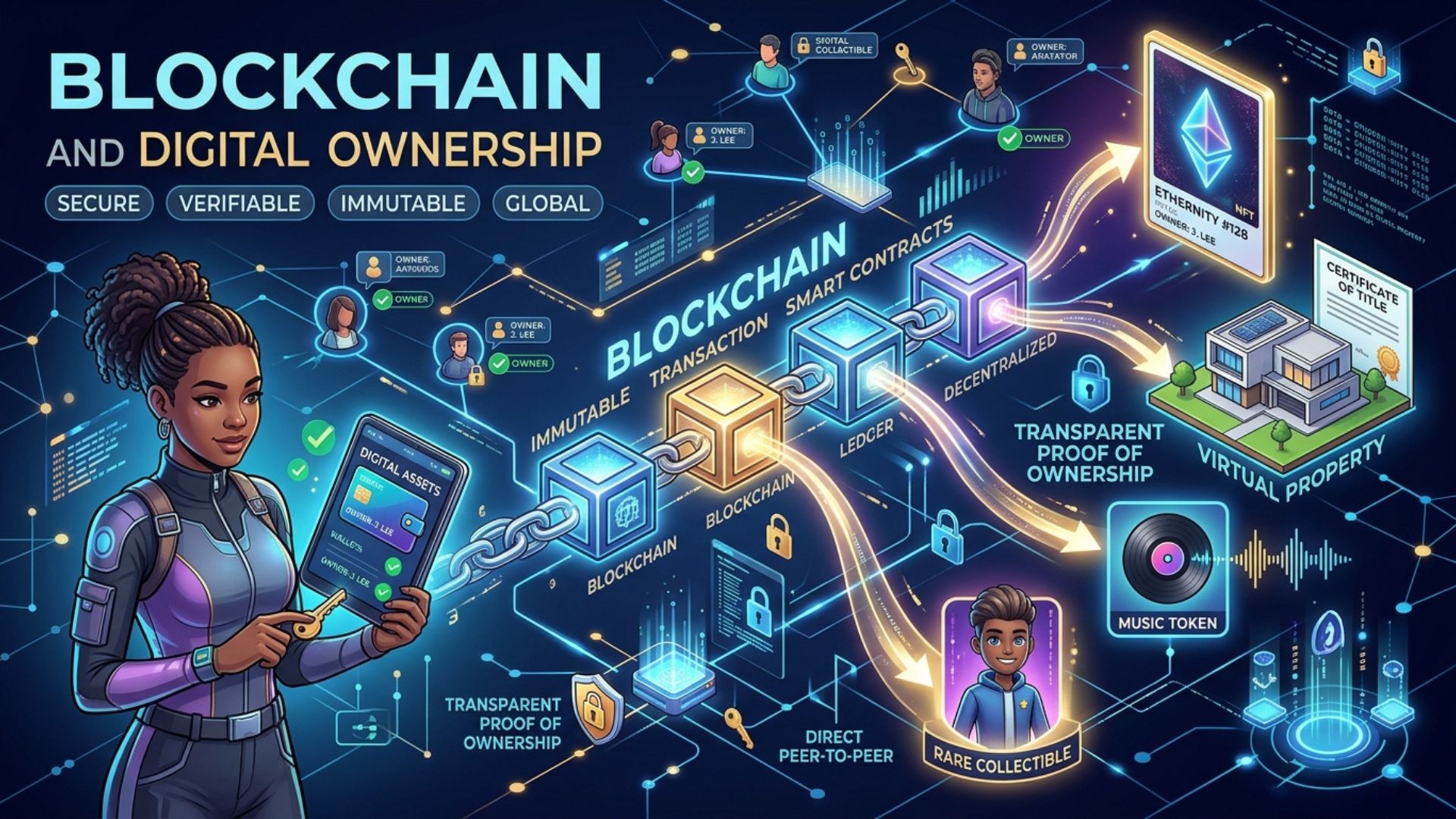
A foundational element of most metaverse visions is blockchain technology, which enables true digital ownership of virtual assets. In previous virtual worlds, companies retained ownership of all in-game items and properties. In the metaverse, blockchain creates immutable records proving that you own specific digital assets—whether that’s virtual real estate, clothing for your avatar, artwork, or collectibles. These assets, known as non-fungible tokens (NFTs), can be bought, sold, and traded across different platforms, creating genuine economic value.
This system of digital ownership and virtual economies distinguishes the metaverse from earlier virtual worlds. You’re not simply borrowing items or spaces from a company; you’re investing in assets that theoretically retain or gain value, similar to physical property ownership.
Key Features of the Metaverse
The metaverse characteristics that define this emerging ecosystem include several distinctive elements. First, there’s immersive experience, enabled through VR and AR technology, allowing users to feel genuinely present within digital spaces rather than merely observing them. Second, there’s interoperability, meaning that different metaverse platforms and applications can connect and communicate, preventing user data and assets from becoming locked into isolated ecosystems.
Social interaction represents another core feature, as the metaverse emphasizes genuine human connection within virtual contexts. Whether attending concerts, business meetings, educational classes, or simply hanging out with friends, the metaverse facilitates meaningful social experiences. Furthermore, economic systems function within the metaverse, with users earning, spending, and investing virtual currency and digital assets.
The concept of persistent worlds means that virtual environments continue to exist and evolve even when individual users aren’t present. Your virtual home, possessions, and reputation remain stable over time, creating continuity similar to the physical world. Lastly, user-generated content plays a significant role, with creators building experiences, environments, and items that others can purchase, use, or enjoy.
The Metaverse vs. Current Virtual Worlds
While the metaverse concept builds upon existing virtual reality platforms and online gaming worlds, there are crucial distinctions. Current virtual games like Fortnite, Roblox, or World of Warcraft offer immersive experiences but operate as closed ecosystems. Your progress, items, and identity cannot transfer between games or platforms.
In contrast, a true metaverse platform aims for seamless interoperability. Imagine purchasing digital clothing for your avatar in one space, then wearing it in a completely different metaverse application. This level of integration requires standardized protocols and agreements between different companies—a challenging but gradually materializing reality in 2026.
Additionally, existing virtual worlds are often designed primarily for entertainment or gaming, whereas the metaverse envisions broader applications including professional work, education, commerce, and social services. The scope is vastly larger, and the integration with daily life much more fundamental.
Practical Applications of the Metaverse
Business and Professional Environments
Companies are already exploring metaverse use cases for business purposes. Virtual offices and meeting spaces offer opportunities for remote collaboration without the flatness of typical video conferencing. Employees represented by realistic avatars can gather around a virtual conference table, review documents together in three-dimensional space, and feel genuinely connected despite geographic separation. Retail businesses are establishing virtual storefronts where customers can browse and purchase products in immersive environments, trying on clothes virtually before purchasing.
Entertainment and Social Connection
The entertainment industry recognizes significant potential in metaverse platforms. Musicians can perform virtual concerts to audiences of thousands or millions simultaneously. The pandemic accelerated adoption of these experiences, with major artists hosting memorable performances in virtual spaces. Gaming experiences naturally extend into the metaverse, offering more elaborate and socially rich environments than traditional online games.
Education and Training
Educational institutions are experimenting with metaverse learning environments where students attend classes together in virtual classrooms, collaborate on projects, and access information in immersive, three-dimensional formats. Medical schools are using metaverse environments to practice surgical procedures. Professional training programs leverage immersive virtual simulations to teach skills in realistic contexts.
Real Estate and Property
One of the most speculative but intriguing metaverse applications involves virtual real estate. Companies and individuals are purchasing digital land and property within popular metaverse platforms, with some virtual plots selling for substantial sums. While this might seem frivolous, the underlying logic is similar to early internet domain purchases—securing prime digital real estate before it becomes scarce and valuable.
The Economics of the Metaverse
The digital economy within the metaverse operates according to principles that combine traditional economics with cryptocurrency and blockchain systems. Users earn virtual currency through various activities—creating content, providing services, attending events, or completing tasks. This virtual currency can be converted to real-world money or invested in additional virtual assets.
Creators play a crucial role in this metaverse economy, designing clothing, accessories, artwork, experiences, and environments that others purchase. A designer might create a unique avatar outfit, list it on a metaverse marketplace, and earn royalties each time someone purchases it. This creator economy aspect could potentially democratize wealth generation, allowing talented individuals worldwide to monetize their creativity without requiring corporate intermediaries.
Companies are also recognizing advertising opportunities within metaverse spaces, though careful navigation of user experience is critical. Branded environments and sponsored experiences represent potential revenue streams, though heavy-handed advertising could diminish the appeal of immersive spaces.
Challenges and Concerns
Despite its potential, the metaverse faces significant hurdles. Privacy concerns loom large, as persistent virtual worlds could collect unprecedented amounts of data about user behavior, preferences, and social interactions. Regulatory frameworks haven’t caught up with metaverse technology, leaving questions about taxation, user rights, property ownership, and liability largely unanswered.
Accessibility remains a challenge, as quality VR and AR hardware remains expensive for average consumers. Ensuring that the metaverse doesn’t become an exclusive playground for the wealthy is crucial for its success. Additionally, there are concerns about digital addiction, as immersive virtual worlds could encourage unhealthy engagement patterns and social isolation despite being designed for connection.
Security and fraud represent ongoing risks, with digital asset theft, identity impersonation, and scams becoming increasingly sophisticated. The interoperability that makes the metaverse appealing also creates security vulnerabilities that bad actors might exploit.
The Current State of Metaverse Development
As of 2026, the metaverse exists in an emerging, fragmented state. Major platforms like Decentraland, The Sandbox, Roblox, and newer arrivals are building their versions of virtual worlds, each with unique features, governance structures, and economic models. Major technology companies including Meta (formerly Facebook), Microsoft, and Apple are investing heavily in hardware and software infrastructure that will support metaverse experiences.
The hardware landscape is evolving rapidly. Early VR headsets were bulky and uncomfortable, but newer generations offer improved comfort, resolution, and processing power. Mixed reality devices that blend physical and digital realities are approaching mainstream viability. However, widespread adoption will require further refinement and price reduction.
The Future of the Metaverse
Looking ahead, the metaverse trajectory suggests gradual but steady integration into daily life. Within the next several years, we can expect increasingly sophisticated virtual environments, improved interoperability between platforms, and broader adoption across diverse user demographics. Educational institutions and corporations will likely deepen their metaverse presence as the technology matures and use cases become clearer.
The ultimate vision—a seamless, interconnected universe of virtual spaces as significant to daily life as the physical world—remains years away, but momentum is undeniable. The convergence of technologies like artificial intelligence, blockchain, 5G connectivity, and quantum computing will accelerate metaverse development.
Conclusion
The metaverse represents a fundamental reimagining of how humans interact with digital technology and each other. It’s not simply a trend or passing phenomenon, but rather an evolution of the internet itself toward more immersive, interactive, and economically integrated experiences. While current manifestations remain incomplete and fragmented, the trajectory is clear: virtual worlds will become increasingly important to commerce, entertainment, education, and social connection.
Understanding the metaverse today positions you to navigate this emerging landscape intelligently, whether as a curious observer, potential investor, content creator, or early adopter. As the technology matures and becomes more accessible, the boundaries between physical and digital existence will continue blurring, creating unprecedented opportunities and challenges for society.
