


The Web3 ecosystem is evolving faster than ever before, fundamentally changing the way people interact with digital assets, decentralized finance (DeFi), non-fungible tokens (NFTs), blockchain gaming platforms, and decentralized applications (dApps). As blockchain technology becomes more mainstream and accessible to everyday users, the importance of choosing the right Web3 wallet has grown significantly. A reliable wallet is no longer just a tool for storing cryptocurrencies; it has become the primary gateway to the decentralized internet, enabling users to participate in a wide range of blockchain-based activities.
Today’s Web3 wallets offer much more than basic asset storage. They allow users to connect directly with decentralized exchanges, stake cryptocurrencies, manage NFT collections, interact with smart contracts, and participate in governance decisions within blockchain communities. Because these wallets hold the keys to digital ownership, selecting the right one is crucial for both security and convenience. With dozens of options available on the market, understanding the strengths and weaknesses of each wallet can help users make informed decisions.
In this comprehensive guide, we explore the best Web3 wallets for 2026, carefully evaluating them based on security, usability, blockchain compatibility, features, and overall performance. Whether you are a beginner taking your first steps into the crypto world or an experienced investor looking for advanced functionality, this ranking will help you identify the wallet that best suits your needs.
What Is a Web3 Wallet?
A Web3 wallet is a digital application or hardware device that allows users to store, manage, send, receive, and interact with blockchain-based assets. Unlike traditional banking systems where financial institutions control accounts and transactions, Web3 wallets give users direct ownership of their private keys. This means users maintain complete control over their funds and digital identities without relying on intermediaries.
Web3 wallets serve as the bridge between users and blockchain networks. They enable seamless interaction with decentralized applications, NFT marketplaces, decentralized exchanges, lending protocols, staking platforms, and blockchain games. Depending on the wallet type, users can access these services through browser extensions, mobile apps, desktop software, or dedicated hardware devices.
As blockchain adoption continues to expand globally, the demand for secure and feature-rich Web3 wallets is increasing. Modern wallets are designed to provide a balance between security, convenience, and accessibility, making it easier for users to navigate the rapidly growing decentralized ecosystem.
Why Choosing the Right Web3 Wallet Matters
Selecting the right Web3 wallet is one of the most important decisions any crypto user can make. Since wallets act as the primary interface between users and blockchain networks, their quality directly impacts security, usability, and access to opportunities within the Web3 space.
A poorly designed wallet may expose users to phishing attacks, malicious smart contracts, or compatibility issues that limit access to decentralized services. On the other hand, a well-designed wallet provides robust security measures, intuitive navigation, and support for multiple blockchain networks. These features help users confidently manage their assets while exploring the broader decentralized economy.
The best Web3 wallets in 2026 focus heavily on private key security, multi-chain compatibility, NFT support, DeFi integration, and seamless user experiences. These factors collectively determine how effectively users can participate in blockchain ecosystems while minimizing risks.
1. MetaMask
Why MetaMask Remains a Market Leader
MetaMask continues to be one of the most widely used Web3 wallets in the world. Since its launch, it has become the preferred choice for millions of users due to its simplicity, reliability, and extensive integration with decentralized applications. Available as both a browser extension and mobile application, MetaMask provides easy access to thousands of dApps across multiple blockchain networks.
One of MetaMask’s greatest strengths is its support for Ethereum and numerous Ethereum Virtual Machine (EVM)-compatible chains. Users can easily switch between networks, manage tokens, participate in DeFi protocols, and trade NFTs directly from the wallet interface. This flexibility makes MetaMask suitable for both beginners and advanced users.
Security and Features
MetaMask offers encrypted private key storage and supports integration with hardware wallets such as Ledger and Trezor for enhanced security. Regular updates, strong community support, and continuous feature improvements have helped MetaMask maintain its position as one of the most trusted Web3 wallets available today. Its combination of accessibility and functionality ensures that it remains a top choice in 2026.
2. Trust Wallet
A Comprehensive Mobile Web3 Solution
Trust Wallet has earned a strong reputation as one of the most versatile mobile cryptocurrency wallets available. Designed with simplicity and flexibility in mind, it supports thousands of cryptocurrencies across numerous blockchain networks. This broad compatibility makes it an excellent choice for users who manage diverse digital asset portfolios. The wallet provides direct access to decentralized exchanges, staking services, NFT marketplaces, and blockchain applications. Users can perform a wide range of activities without needing multiple wallets or complicated setups.
User Experience and Accessibility
Trust Wallet’s intuitive interface is one of its biggest advantages. New users can quickly learn how to navigate the platform, while experienced investors benefit from advanced asset management tools. Its support for multiple blockchain ecosystems allows users to explore opportunities across different networks without sacrificing convenience.
3. Rabby Wallet
The Rising Star of Web3
Rabby Wallet has rapidly gained popularity among DeFi enthusiasts and experienced crypto users. Developed with a strong emphasis on transparency and security, Rabby provides detailed transaction previews before users approve any blockchain interaction. This feature helps users understand exactly what they are signing and reduces the risk of approving malicious transactions. As decentralized finance continues to grow, transaction transparency has become increasingly important. Rabby addresses this challenge effectively by offering clear and detailed information about every interaction.
Enhanced Security Architecture
Another standout feature of Rabby Wallet is its ability to automatically switch blockchain networks based on the connected application. This reduces user errors and streamlines the overall experience. Combined with advanced risk detection systems and security alerts, Rabby has become a preferred wallet for active DeFi participants seeking greater protection.
4. Phantom Wallet
Beyond Solana
Phantom Wallet initially gained popularity within the Solana ecosystem, but it has since expanded to support additional blockchain networks. Its sleek design, fast performance, and user-friendly interface have made it one of the most respected wallets in the Web3 space. Phantom simplifies interactions with decentralized applications and NFT marketplaces, making it particularly attractive to NFT collectors, creators, and blockchain gamers.
NFT and Web3 Integration
The wallet includes built-in NFT management features that allow users to view, organize, and manage their collections effortlessly. Its seamless integration with leading NFT marketplaces enhances the overall user experience while maintaining strong security standards.
5. Coinbase Wallet
Backed by a Trusted Brand
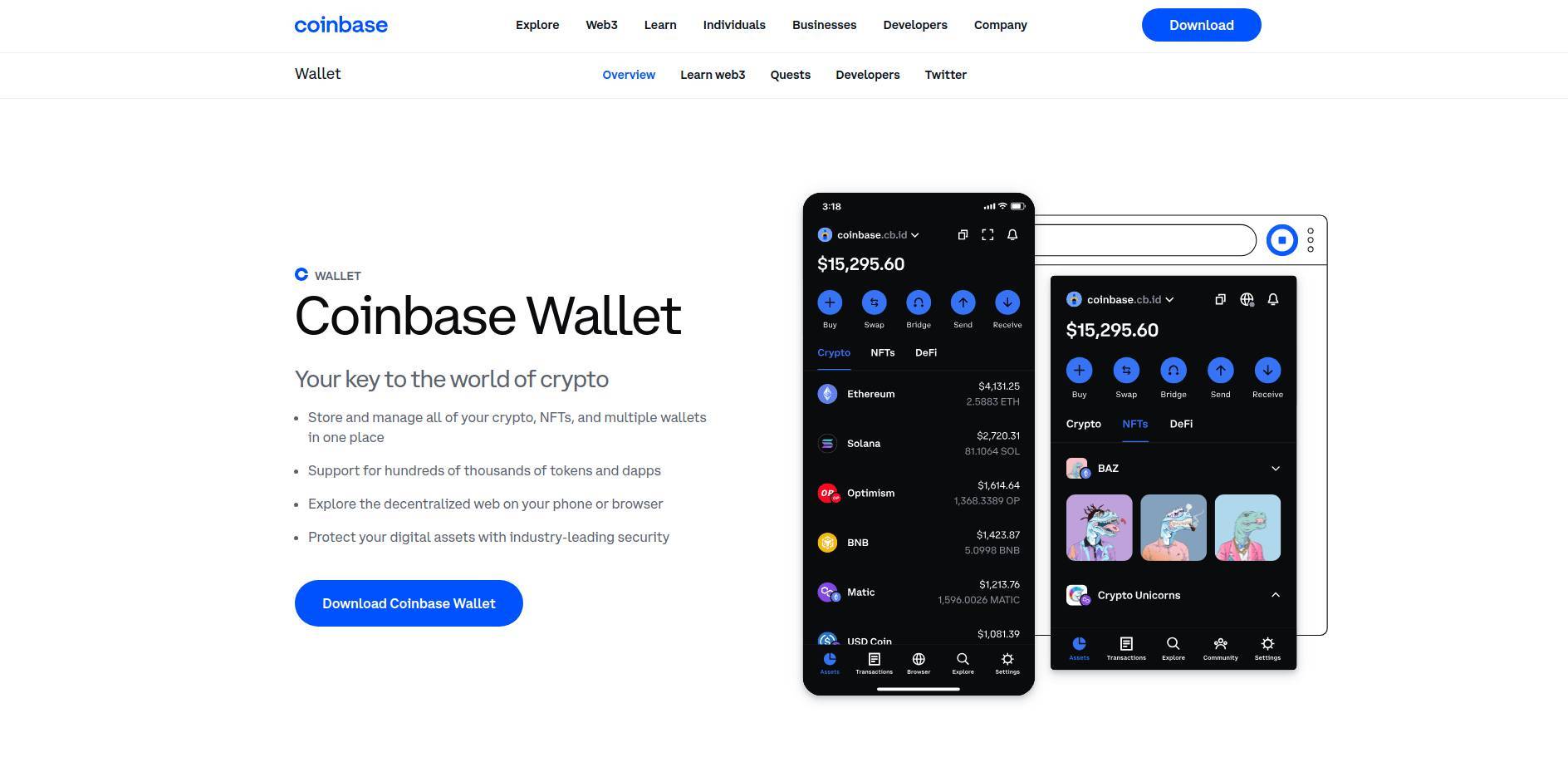
Coinbase Wallet benefits from the reputation and credibility of Coinbase, one of the largest cryptocurrency companies in the world. Unlike Coinbase exchange accounts, Coinbase Wallet is a self-custody solution that gives users complete control over their private keys and digital assets. This distinction is important because it allows users to maintain ownership of their funds while still benefiting from Coinbase’s trusted ecosystem.
Ideal for Beginners
Coinbase Wallet is particularly appealing to newcomers due to its clean interface and educational resources. The wallet simplifies blockchain interactions and provides easy access to decentralized applications, making it an excellent starting point for users entering the Web3 world.
6. Ledger Wallet
Industry-Leading Hardware Security
When discussing the safest Web3 wallets, Ledger consistently ranks among the top choices. As a hardware wallet, Ledger stores private keys offline, significantly reducing exposure to online threats such as hacking attempts, malware, and phishing attacks. For users holding substantial cryptocurrency investments, hardware wallets provide an additional layer of protection that software wallets cannot fully match.
Combining Security with Web3 Access
Ledger devices integrate with Ledger Live and various third-party applications, allowing users to access DeFi platforms, stake cryptocurrencies, and manage NFTs while maintaining offline security. This combination of convenience and protection makes Ledger one of the most trusted hardware wallets available.
7. Trezor Wallet
A Pioneer in Hardware Wallet Technology
Trezor is widely recognized as one of the pioneers of hardware wallet technology. Its commitment to transparency, open-source development, and security has earned it a loyal following among cryptocurrency enthusiasts. The wallet supports a broad range of digital assets and integrates with numerous Web3 applications, making it a versatile option for users seeking maximum security.
Strong Reputation for Security
Trezor’s offline storage model protects private keys from online threats while maintaining ease of use. Its robust security framework and straightforward interface make it suitable for both beginners and experienced investors who prioritize asset protection.
8. Safe (Formerly Gnosis Safe)
Best for Teams and DAOs
Safe stands apart from traditional wallets because of its multi-signature functionality. Instead of relying on a single private key, transactions require approval from multiple authorized parties. This significantly reduces the risk of unauthorized access and enhances overall security. As a result, Safe has become a popular choice for decentralized autonomous organizations (DAOs), businesses, investment groups, and collaborative projects.
Advanced Asset Protection
Safe supports multiple blockchain networks and offers extensive customization options. Its sophisticated security architecture enables organizations to manage large amounts of digital assets with confidence while maintaining transparency and accountability.
9. XDEFI Wallet
Designed for Multi-Chain Users
XDEFI Wallet is specifically designed for users who operate across multiple blockchain ecosystems. Supporting networks such as Bitcoin, Ethereum, Solana, and many others, it eliminates the need to maintain separate wallets for different chains. This broad compatibility makes XDEFI particularly attractive to users who actively participate in diverse blockchain environments.
Fast and Efficient Performance
The wallet emphasizes speed, convenience, and functionality. Users can swap assets, manage NFTs, and interact with decentralized applications through a single interface. Its streamlined design and efficient performance make it a strong choice for traders and DeFi enthusiasts.
10. Argent Wallet
Smart Contract-Based Innovation
Argent introduces a unique approach to wallet management through smart contract technology. Rather than relying exclusively on traditional seed phrases, Argent offers enhanced recovery mechanisms that improve accessibility without compromising security. This innovative approach addresses one of the biggest challenges in crypto: recovering access to funds when credentials are lost.
Simplified DeFi Participation
Argent integrates directly with various DeFi services, allowing users to stake assets, lend cryptocurrencies, and swap tokens with minimal complexity. Its user-friendly design makes advanced blockchain activities more accessible to everyday users.
Key Features to Look for in a Web3 Wallet
Security
Security should always be the top priority when selecting a Web3 wallet. Features such as hardware wallet integration, encrypted backups, phishing protection, biometric authentication, and multi-signature support can significantly improve asset protection. Users should carefully evaluate a wallet’s security architecture before trusting it with valuable digital assets.
Multi-Chain Compatibility
As blockchain ecosystems continue to diversify, multi-chain compatibility has become increasingly important. A wallet that supports multiple networks allows users to access a wider range of opportunities without constantly switching between applications.
dApp Connectivity
Efficient connectivity with decentralized applications is essential for participating in DeFi, NFT trading, blockchain gaming, and governance activities. The best wallets provide seamless integration with popular dApps while maintaining strong security standards.
NFT Management
NFTs remain a major component of the Web3 ecosystem. Modern wallets should offer intuitive NFT storage, display, and management features that allow users to organize and showcase their collections effectively.
User Experience
Even the most advanced wallet should remain easy to use. Intuitive interfaces, clear navigation, and helpful educational resources can significantly improve the user experience and reduce the likelihood of costly mistakes.
How Web3 Wallets Are Evolving in 2026
The Web3 wallet industry is undergoing rapid innovation as developers seek to improve both security and usability. Emerging technologies such as account abstraction, gasless transactions, biometric authentication, AI-powered threat detection, and advanced recovery systems are transforming how users interact with blockchain networks.
These innovations aim to eliminate common barriers to adoption while making decentralized technologies more accessible to mainstream audiences. As Web3 continues to mature, wallets are evolving beyond simple storage solutions into comprehensive platforms for digital identity, financial management, and online ownership.
Which Web3 Wallet Is Best for You?
The best Web3 wallet ultimately depends on your individual goals and preferences. Beginners often gravitate toward MetaMask, Trust Wallet, or Coinbase Wallet because of their ease of use and extensive educational resources. NFT collectors frequently prefer Phantom due to its excellent NFT management capabilities and marketplace integrations.
Advanced DeFi users may find Rabby Wallet particularly appealing because of its transaction transparency and enhanced security features. Investors focused on maximum protection often choose Ledger or Trezor hardware wallets. Meanwhile, organizations and DAOs benefit greatly from Safe’s multi-signature architecture, while multi-chain users may prefer XDEFI Wallet for its broad compatibility.
Conclusion
Choosing the best Web3 wallet for 2026 requires careful consideration of security, functionality, usability, and blockchain compatibility. As decentralized technologies continue to reshape the digital landscape, a reliable wallet serves as the foundation for participating in cryptocurrencies, decentralized finance, NFTs, blockchain gaming, and countless other Web3 applications.
MetaMask remains a leading all-around solution, Trust Wallet excels in mobile accessibility, Rabby Wallet offers enhanced DeFi security, Phantom dominates NFT usability, and Ledger provides unmatched hardware-level protection. Each wallet featured in this ranking brings unique strengths that cater to different types of users. By understanding your priorities and evaluating the features discussed in this guide, you can confidently choose a Web3 wallet that aligns with your goals and supports your journey into the future of decentralized finance and digital ownership.
