


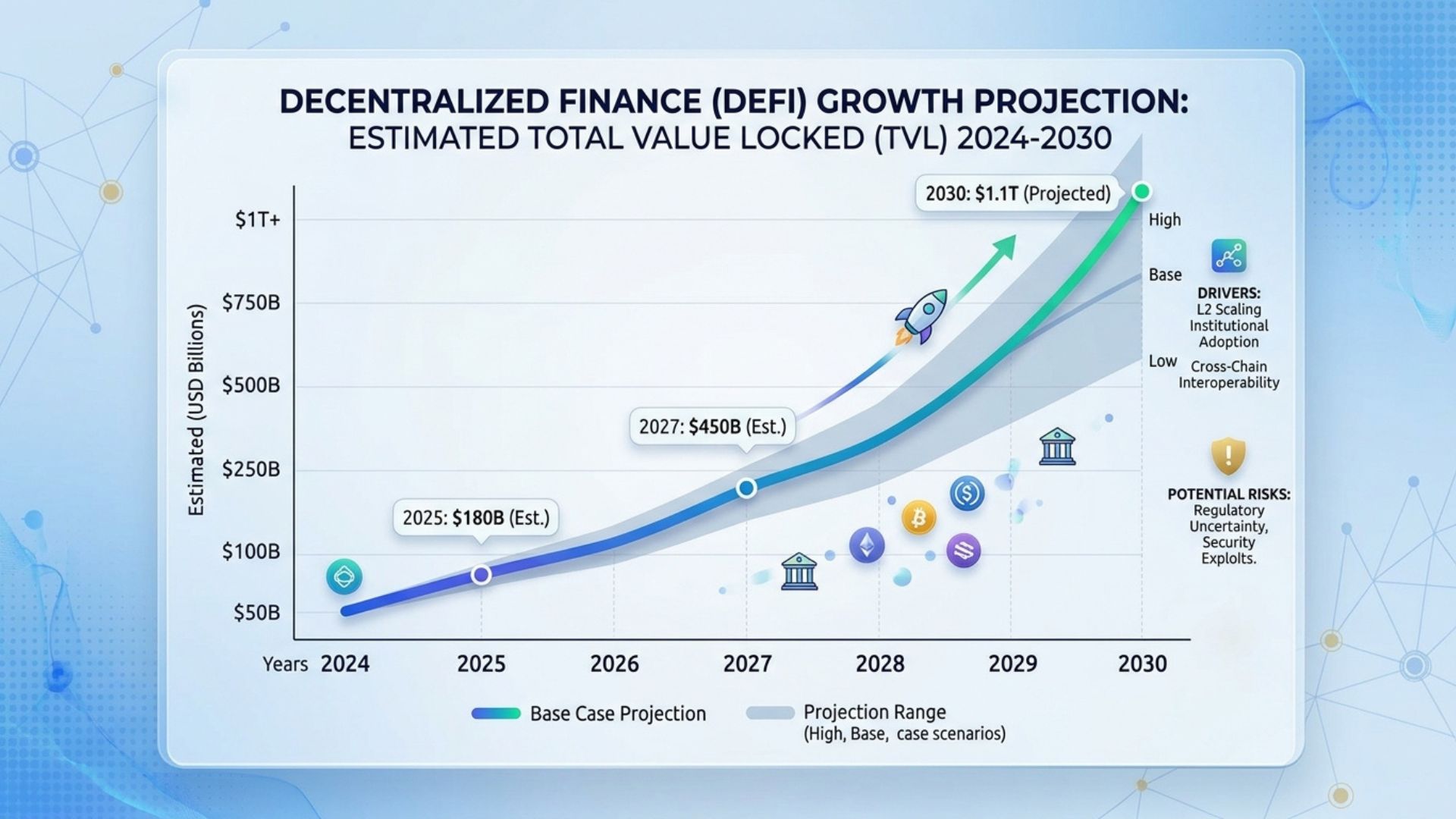
The financial world stands at an inflection point. Decentralized finance, commonly referred to as DeFi, is rapidly reshaping how individuals and institutions access financial services, trade assets, and manage wealth. In a landmark report, Standard Chartered, one of the world’s leading international banks, has forecast that the DeFi market will expand to an astounding $2.7 trillion by 2030. This prediction underscores the transformative potential of blockchain technology and cryptocurrency ecosystems in the coming years.
What makes this projection particularly noteworthy is not merely the size of the anticipated market, but the implications it carries for traditional banking, investment strategies, and the global financial infrastructure. Currently, the DeFi sector represents a fraction of this projected figure, yet it continues to grow at exponential rates despite market volatility and regulatory challenges. Understanding this growth trajectory requires examining the technological foundations, market catalysts, regulatory landscape, and investment opportunities that will drive DeFi adoption from now until 2030.
The Current State of DeFi: A Foundation for Future Growth
The decentralized finance ecosystem has evolved dramatically since its inception in the early days of blockchain technology. Today, DeFi platforms facilitate billions of dollars in transactions daily, offering users unprecedented access to financial services without intermediaries. From lending protocols to automated market makers (AMMs), the range of DeFi services available has expanded considerably, creating a robust and increasingly sophisticated financial ecosystem.
Market Size and Recent Performance
As of 2026, the total value locked (TVL) in DeFi protocols represents a substantial portion of the broader cryptocurrency market, though still dwarfed by traditional finance valuations. The growth from near-zero value just a few years ago to hundreds of billions demonstrates the sector’s resilience and appeal. Smart contract platforms like Ethereum, Solana, and others have become hubs for DeFi innovation, attracting developers, investors, and users seeking alternatives to traditional banking systems.
The remarkable thing about DeFi market development is its speed. What took traditional financial markets decades to achieve in terms of user adoption and product diversity, DeFi has accomplished in a fraction of the time. This acceleration, according to Standard Chartered’s analysis, will continue as technology matures and regulatory frameworks become clearer.
Key DeFi Use Cases Driving Current Adoption
Decentralized lending and borrowing represents one of the most significant use cases in the DeFi landscape. These platforms allow users to earn interest on cryptocurrency holdings or borrow assets by providing collateral, all without interaction with traditional banks. The appeal is twofold: users gain access to financial services they might otherwise be denied, while lenders earn competitive yields.
Decentralized exchanges (DEXs) have also revolutionized how cryptocurrency and tokenized assets change hands. Unlike centralized exchanges that require users to trust a company with their funds, DEXs enable peer-to-peer trading through smart contracts, reducing counterparty risk and democratizing market access. This innovation addresses a fundamental pain point in traditional finance: the need for trusted intermediaries. Yield farming and liquidity mining represent another critical component of DeFi’s appeal. These mechanisms incentivize users to provide liquidity to platforms, creating a symbiotic relationship where participants earn rewards while protocols gain the liquidity necessary for functionality.
Standard Chartered’s Analysis: The Road to $2.7 Trillion
Standard Chartered’s projection of $2.7 trillion in DeFi market capitalization by 2030 is grounded in sophisticated financial modeling and analysis of current trends. This figure represents approximately 5-10% of global financial assets under management, a reasonable allocation given current digital asset adoption trajectories and demographic trends favoring digital finance.
Factors Supporting the Growth Projection
The DeFi growth forecast rests on several pillars. First, institutional adoption continues to accelerate. Major banks, hedge funds, and pension funds are beginning to allocate capital to cryptocurrency and blockchain-based financial services. As regulatory clarity improves, these institutions will likely increase their participation in DeFi platforms, bringing substantial liquidity and capital.
Second, cryptocurrency adoption among retail investors shows no signs of slowing. Younger demographics, particularly millennials and Generation Z, demonstrate strong preference for digital assets and decentralized platforms. This generational shift will drive sustained demand for DeFi products and services as these cohorts accumulate wealth.
Third, technological improvements continue to make DeFi platforms more user-friendly, efficient, and secure. Layer 2 scaling solutions, sidechains, and cross-chain protocols are addressing the primary pain points that previously limited DeFi’s growth potential. As transaction costs decline and speeds increase, the practical utility of DeFi infrastructure improves dramatically.
Regulatory Clarity as a Catalyst
Standard Chartered emphasizes that regulatory clarity will serve as a significant growth catalyst for the DeFi ecosystem. Currently, regulatory uncertainty creates friction for institutional participation and mainstream adoption. However, as governments worldwide develop comprehensive frameworks for cryptocurrency and blockchain technology, institutional barriers to entry will diminish. This regulatory progression will facilitate the mainstream adoption of DeFi, accelerating the timeline toward the projected $2.7 trillion valuation.
Market Drivers and Investment Opportunities in DeFi
Understanding what will propel DeFi market growth requires examining specific sectors and opportunities within the ecosystem. Standard Chartered’s analysis identifies several areas poised for explosive expansion.
Tokenization of Real-World Assets
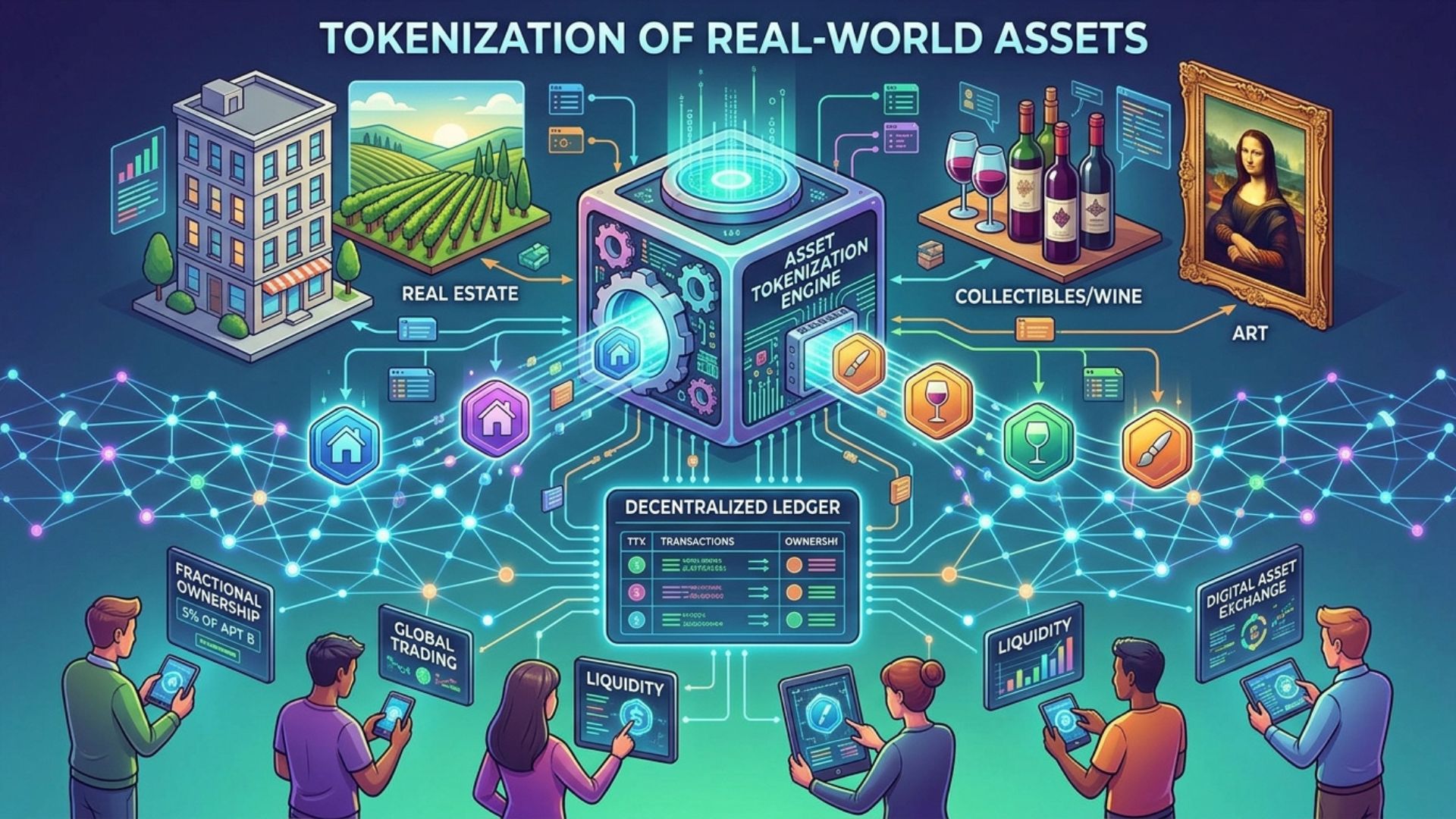
One of the most transformative trends expected to drive DeFi growth is the tokenization of real-world assets (RWAs). Real estate, commodities, stocks, and bonds can be converted into blockchain-based tokens, enabling fractional ownership and global trading. This development bridges traditional finance and decentralized finance, creating trillions of dollars in potential market opportunity. The ability to tokenize assets democratizes investment, allowing individuals to own fractions of valuable assets previously accessible only to wealthy investors. Additionally, tokenized assets trading on blockchain networks can operate 24/7, eliminating the constraints of traditional market hours and expanding potential transaction volume.
Cross-Chain Interoperability
As multiple blockchain networks mature simultaneously, cross-chain interoperability becomes increasingly valuable. The ability to seamlessly transfer assets and data between different blockchains removes a significant limitation on DeFi ecosystem growth. Standard Chartered notes that successful interoperability solutions will dramatically expand the addressable market for DeFi services.
Central Bank Digital Currencies (CBDCs)
The emergence of central bank digital currencies presents both opportunities and challenges for decentralized finance. CBDCs could serve as bridges between traditional and decentralized finance, providing liquidity and legitimacy to the broader blockchain ecosystem. Furthermore, CBDCs built on public blockchains could directly integrate with DeFi protocols, creating novel financial products and efficiencies.
Technological Advances Enabling the Growth Projection
Standard Chartered’s confidence in the $2.7 trillion forecast is substantially grounded in anticipated technological breakthroughs and improvements. These advancements will address current limitations and unlock new possibilities within the DeFi sector.
Scaling Solutions and Network Efficiency
Layer 2 scaling solutions like Polygon, Arbitrum, and Optimism are already demonstrating the potential to dramatically reduce transaction costs while maintaining security. As these solutions mature and achieve greater adoption, the user experience for interacting with DeFi platforms will improve substantially. Reduced friction translates directly to increased participation and transaction volume. Additionally, newer blockchain networks designed from the ground up with scalability in mind continue to gain traction. These chains offer speed and cost advantages that make DeFi services accessible to populations previously priced out by high transaction fees. This inclusivity will drive significant portions of the projected growth.
Enhanced Security and Risk Management
As DeFi matures, security infrastructure and risk management tools improve correspondingly. Better auditing standards, insurance protocols, and collateralization mechanisms will reduce the risks associated with decentralized finance. Greater confidence in security will facilitate institutional adoption, a critical factor in achieving Standard Chartered’s $2.7 trillion projection.
User Interface and Experience Improvements
DeFi accessibility has historically been limited by complex user interfaces and steep learning curves. However, ongoing improvements in wallet design, platform interfaces, and educational resources are lowering barriers to entry. As DeFi becomes more user-friendly, participation will expand dramatically, particularly among less technically sophisticated investors.
Regulatory Environment and Its Impact on DeFi Growth
The regulatory landscape for decentralized finance remains in flux, but the trajectory points toward increased clarity and legitimacy. Standard Chartered’s growth projection implicitly assumes that reasonable regulatory frameworks will emerge globally without completely stifling innovation.
Global Regulatory Trends
Different jurisdictions are taking varied approaches to cryptocurrency regulation. The European Union’s Markets in Crypto-Assets Regulation (MiCA), the United States’ evolving framework, and Asia’s diverse regulatory approaches are beginning to coalesce around principles emphasizing consumer protection, market integrity, and financial stability. These frameworks, while creating compliance burdens, also provide legitimacy that facilitates institutional participation. As regulatory clarity improves, the friction associated with DeFi adoption among traditional financial institutions will decrease. Compliance tools and standardized protocols will emerge, making it easier for banks and investment firms to offer DeFi-related services to clients.
Consumer Protection and Compliance Infrastructure
The development of robust compliance and consumer protection mechanisms within the DeFi ecosystem will be essential to achieving sustained growth projections. KYC/AML (Know Your Customer/Anti-Money Laundering) solutions adapted for decentralized systems, insurance products for smart contract risk, and dispute resolution mechanisms will create the institutional infrastructure necessary for mainstream adoption.
Potential Risks and Challenges to the Growth Forecast
While Standard Chartered’s projection is compelling, several risks could impede the path to $2.7 trillion in DeFi market value. Understanding these challenges is essential for realistic assessment of the forecast.
Market Volatility and Crypto Price Fluctuations
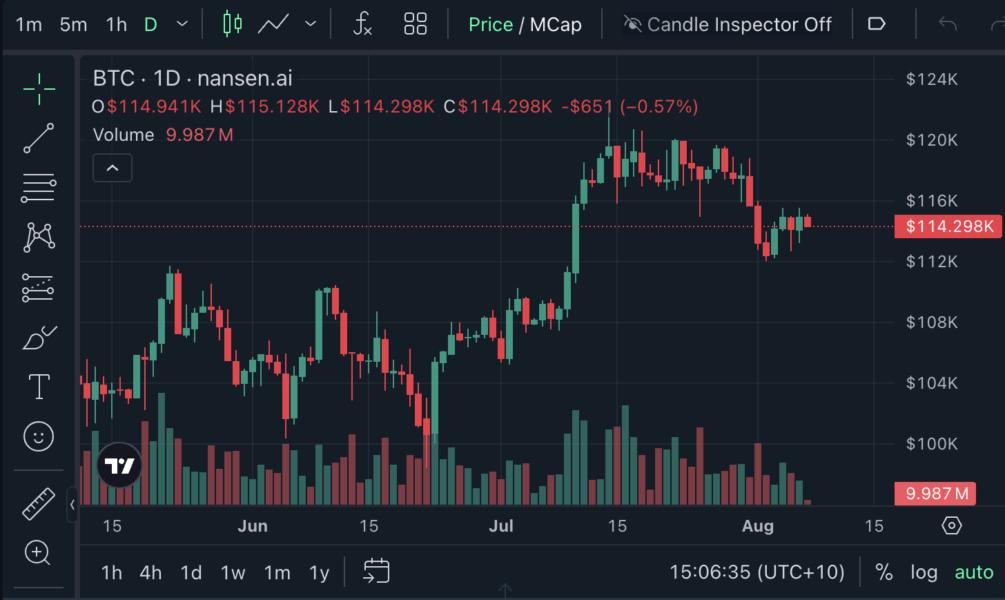
Cryptocurrency prices remain highly volatile, and this volatility directly impacts DeFi market capitalization. Extended bear markets could delay adoption and reduce the attractiveness of decentralized finance to institutional investors. However, Standard Chartered’s long-term projection accounts for cyclical volatility, suggesting that despite periodic downturns, the overall trend remains positive.
Regulatory Crackdowns and Adverse Legislation
Unexpected or overly restrictive regulatory interventions in major jurisdictions could significantly impact DeFi growth. If governments impose restrictions that effectively ban DeFi or cryptocurrency trading, the industry could face severe headwinds. Standard Chartered’s analysis assumes a moderate regulatory outcome, but this assumption carries meaningful uncertainty.
Technological Failures and Security Breaches
The DeFi ecosystem has experienced significant security exploits and smart contract failures. While the industry is maturing in terms of security practices, future breaches could damage confidence in decentralized finance and delay mainstream adoption. Continued technological improvement and security innovations will be essential to realizing growth projections.
Macroeconomic Factors
Broader economic conditions significantly influence investor appetite for cryptocurrencies and alternative assets. Prolonged recession, persistent high interest rates, or stagflation could reduce capital available for DeFi investment. Conversely, inflation and currency debasement might increase demand for decentralized financial assets.
Investment Implications and Strategic Considerations
For investors considering exposure to DeFi growth, Standard Chartered’s projection has several implications for portfolio construction and strategy.
Direct DeFi Protocol Investment
Investing in tokens that represent decentralized finance protocols provides direct exposure to the sector’s growth. However, this approach carries substantial risk due to volatility, regulatory uncertainty, and competition among protocols. Investors should conduct thorough due diligence before allocating significant capital to individual DeFi tokens.
Cryptocurrency as an Asset Class
Broader exposure to cryptocurrencies as an asset class provides indirect exposure to DeFi market growth. Bitcoin, Ethereum, and other major cryptocurrencies benefit from increased utility and adoption of DeFi applications. A diversified cryptocurrency allocation can provide exposure to growth trends without betting on specific protocols.
Traditional Finance Exposure to DeFi
As traditional financial institutions develop DeFi products and services, investors can gain exposure through major banks and fintech companies. Many institutions are actively building DeFi infrastructure and services, creating opportunities for exposure without direct cryptocurrency ownership.
The Future of DeFi: Vision for 2030 and Beyond
Looking toward 2030, the vision articulated by Standard Chartered suggests a financial ecosystem fundamentally transformed by blockchain technology and decentralized systems. The DeFi ecosystem of 2030 will likely be characterized by seamless integration with traditional finance, institutional participation at scale, and financial services accessible to billions of people worldwide.
Integration with Traditional Finance
By 2030, the distinction between traditional finance and DeFi may become less meaningful as systems increasingly interoperate. Central bank digital currencies, tokenized securities, and hybrid financial products will blur boundaries between decentralized and centralized systems, creating a more efficient and inclusive global financial infrastructure.
Expanded Access and Financial Inclusion
The global vision for DeFi’s future role emphasizes financial inclusion. An estimated 1.7 billion unbanked and underbanked individuals worldwide could gain access to essential financial services through DeFi. This expansion alone could drive substantial portions of Standard Chartered’s projected growth.
Emergence of Novel Financial Products
As DeFi matures, entirely new categories of financial products and services will emerge. Decentralized derivatives markets, insurance protocols, prediction markets, and other innovations will create value and utility that drives adoption.
Conclusion
Standard Chartered’s forecast that DeFi will reach $2.7 trillion by 2030 represents an ambitious but plausible projection grounded in current trends, technological advancement, and anticipated regulatory clarity. The decentralized finance market has demonstrated remarkable resilience and innovation, fundamentally challenging traditional assumptions about financial intermediation.
The path to this valuation depends on several critical factors: continued technological improvement reducing friction and costs, regulatory frameworks that balance innovation and protection, institutional adoption bringing substantial capital and legitimacy, and widespread consumer adoption driven by demographic shifts favoring digital finance.
For investors, this projection signals significant long-term opportunities in cryptocurrency and blockchain-based financial services. However, these opportunities come with substantial risks, including volatility, regulatory uncertainty, and technological challenges. Thoughtful portfolio construction incorporating DeFi exposure through diversified approaches can capitalize on anticipated growth while managing downside risks.
The future of decentralized finance promises to be transformative, reshaping how the world accesses, manages, and exchanges value. Whether Standard Chartered’s exact projection proves prescient or requires adjustment, the trajectory toward greater adoption and integration of decentralized systems appears clear. The coming years will determine whether the financial system of 2030 embraces the revolutionary potential of DeFi or settles for more incremental improvements to existing structures.
