



The intersection of artificial intelligence and cryptocurrency trading represents one of the most transformative developments in modern finance. As the digital asset market continues expanding and becoming increasingly sophisticated, machine learning algorithms and AI-powered trading systems are fundamentally reshaping how investors approach crypto market participation. What once required teams of seasoned traders analyzing countless charts and data points can now be accomplished through automated trading platforms capable of processing information at speeds human traders cannot match.
The emergence of AI for crypto trading reflects broader technological trends reshaping financial markets globally. Cryptocurrency exchanges and blockchain technology have created unprecedented opportunities for algorithmic trading, where sophisticated AI systems execute trades based on complex mathematical models and real-time market data analysis. These intelligent trading algorithms leverage machine learning capabilities to identify patterns, predict market movements, and optimize portfolio management strategies with remarkable precision.
Understanding this emerging trend requires exploring how artificial intelligence technology integrates with cryptocurrency markets, what advantages AI-driven trading offers compared to traditional approaches, and what challenges accompany this technological revolution. This comprehensive article examines the current state of AI in crypto trading, explores practical applications of machine learning within the ecosystem, and analyzes how this trend will likely shape the future of digital asset investing.
What Is AI Crypto Trading?
AI crypto trading represents the use of artificial intelligence and machine learning algorithms to automate trading decisions in the cryptocurrency market. Unlike manual trading, where humans make decisions based on analysis, AI trading systems operate autonomously, executing trades based on predetermined rules and learned patterns. These automated trading platforms process vast amounts of market data in real-time, identifying opportunities and executing transactions faster than any human trader could achieve.
The term encompasses several different approaches, each serving specific purposes. Trading bots automate simple strategies based on fixed rules, while sophisticated machine learning models continuously learn from historical data and adapt to changing market conditions. Deep learning systems analyze complex patterns across multiple cryptocurrency assets, identifying correlations and trading signals invisible to traditional analysis methods.
AI crypto trading operates continuously across the 24/7 cryptocurrency market, executing trades during hours when human traders sleep. This constant operation means AI systems never miss trading opportunities, capturing profits from market volatility regardless of the time of day. For serious investors and cryptocurrency traders, understanding AI trading technology is becoming essential to remaining competitive in modern markets.
How AI Trading Systems Work
Data Collection and Analysis
AI trading systems begin by collecting enormous amounts of market data from cryptocurrency exchanges and blockchain networks. This includes price information, trading volume, order book data, and countless other market metrics. The system processes this data to identify patterns that correlate with future price movements.
Machine learning models analyze this market data systematically, looking for recurring patterns. Unlike humans who can only track a handful of variables, AI systems simultaneously monitor hundreds of factors across multiple cryptocurrencies. This comprehensive analysis reveals hidden relationships between seemingly unrelated variables that could predict future market behavior.
Real-time data processing allows AI systems to respond instantly to market changes. When new price information arrives, the system immediately evaluates it against learned patterns and decides whether trading opportunities exist. This instantaneous response capability provides decisive advantages in fast-moving cryptocurrency markets.
Decision Making and Trade Execution
Once AI algorithms identify a potential trading opportunity, the system automatically executes the trade according to predetermined parameters. Algorithmic trading systems place buy and sell orders instantly, capturing price movements before other market participants can react. Speed proves critical in crypto trading because price movements occur rapidly, and milliseconds matter.
The decision-making process relies on multiple machine learning models working together. One model might assess technical indicators, another evaluates market sentiment, while a third analyzes blockchain data. The system weighs these different signals and makes unified decisions about whether to trade and at what price.
Risk management systems operate alongside decision-making algorithms, implementing automatic stop-loss orders and position sizing rules. If market conditions change unexpectedly or losses exceed predetermined thresholds, the system automatically reduces exposure. This disciplined approach prevents catastrophic losses that emotional human traders might suffer.
Pattern Recognition Technology
Machine learning algorithms excel at identifying patterns in complex data. Artificial intelligence systems trained on years of historical price data recognize patterns that precede price increases or decreases. These patterns might involve specific combinations of technical indicators, trading volumes, or even social media sentiment surrounding particular cryptocurrencies.
The cryptocurrency market provides especially rich data for pattern recognition. Every transaction on blockchain networks creates permanent records that AI systems can analyze. On-chain metrics like transaction volumes and whale movements provide trading signals that machine learning models can learn to recognize and exploit.
Deep learning technologies enable recognition of extremely complex patterns across massive datasets. Neural networks with thousands of parameters can identify subtle relationships that simpler statistical methods would miss. These sophisticated models represent the cutting edge of AI crypto trading technology.
Key Benefits of AI in Cryptocurrency Trading

Speed and Efficiency
The most obvious advantage AI trading systems provide is speed. Algorithmic trading executes orders in milliseconds, capturing profits from price movements before human traders even notice changes occurring. In cryptocurrency markets where volatility creates rapid price swings, this speed advantage translates directly into profits.
Automated trading platforms operate continuously without fatigue or distraction. While human traders need rest, AI systems work tirelessly across the 24/7 cryptocurrency market. Over hours, days, and weeks, this continuous operation accumulates significant trading advantages. A system executing one million trades per year with a tiny profit margin per trade generates substantial returns.
Efficiency improvements extend beyond speed to decision quality. AI systems avoid the delays inherent in human decision-making. There is no need to analyze charts manually, no time spent second-guessing decisions. The system evaluates market data and acts instantly based on learned patterns.
Emotional Objectivity
Human traders struggle with emotional decision-making, particularly during market crashes or rapid price increases. Fear causes panic selling at market bottoms, while greed leads to holding winners too long. These emotional responses consistently harm trading performance.
AI systems operate without emotion, executing predetermined strategies mechanically regardless of market conditions. If the strategy says sell when prices fall 10%, the system sells without hesitation. If it says buy during panics, the system buys while others flee in terror. This emotional discipline generates superior returns over time.
Machine learning algorithms follow their training without deviation, implementing strategies consistently across thousands of trades. Human traders cannot maintain this level of discipline over extended periods. The combination of consistent execution and emotional detachment gives AI trading substantial advantages over emotional human approaches.
Processing Complex Data
Artificial intelligence systems process vastly more market data than humans could ever analyze. While a trader studies a dozen charts for a few hours daily, AI systems analyze thousands of variables across hundreds of cryptocurrencies continuously. This comprehensive analysis identifies patterns that human traders would never discover.
Modern AI systems incorporate alternative data sources beyond traditional price action analysis. Social media sentiment, news articles, blockchain metrics, and macroeconomic indicators all feed into machine learning models. This diverse data integration creates sophisticated understanding of market dynamics that traditional analysis cannot achieve.
Natural language processing technology enables AI systems to understand news and social media discussions, extracting market sentiment that influences cryptocurrency prices. When negative sentiment precedes price declines, AI systems can identify these signals and reduce exposure before major losses occur.
Practical Applications of AI Trading
Algorithmic Trading Strategies
Algorithmic trading represents the most direct application of AI in crypto trading. These automated strategies execute based on mathematical rules and machine learning signals. Mean reversion strategies bet that prices will return to average levels after extreme moves. Trend-following algorithms profit from price momentum, buying strong uptrends and selling sharp downtrends.
Arbitrage strategies exploit price differences across multiple cryptocurrency exchanges. When Bitcoin trades at different prices on different platforms, AI systems instantly buy low on one exchange and sell high on another. These tiny profits accumulate across thousands of daily trades into significant returns.
Market-making strategies place simultaneous buy and sell orders, profiting from bid-ask spreads. AI systems maintain these positions continuously, adjusting prices instantly as market conditions change. Sophisticated market-making algorithms generate steady profits regardless of market direction, contributing liquidity while capturing spreads.
Portfolio Management and Risk Control
AI systems optimize cryptocurrency portfolios by analyzing correlations between different digital assets and constructing allocations that maximize returns while minimizing risk. Machine learning models identify which cryptocurrencies move together and which diversify away specific risks. This quantitative approach often outperforms traditional portfolio construction methods.
Risk management systems monitor portfolio exposure continuously, automatically adjusting positions to maintain target risk levels. When volatility increases unexpectedly, the system reduces exposure. During stable periods, it increases risk appetite. This dynamic risk management protects portfolios during crises while capturing gains during calm markets.
Drawdown controls limit maximum losses during adverse market movements. If a portfolio declines beyond acceptable thresholds, AI systems reduce exposure automatically. This disciplined approach prevents the catastrophic losses that emotional traders often suffer during panic-driven market crashes.
Sentiment Analysis and Market Intelligence
Natural language processing technology analyzes discussions across social media platforms, news websites, and crypto community forums. When sentiment toward particular cryptocurrencies becomes overwhelmingly positive or negative, AI systems recognize these shifts before they fully reflect in prices. Early detection of sentiment changes provides trading signals predicting near-term price movements.
On-chain analysis examines blockchain transaction patterns, identifying behavior changes by large cryptocurrency holders. When whales accumulate coins, AI systems recognize these signals potentially predicting price increases. Similarly, large sales warn of potential price declines. These on-chain signals provide unique insights unavailable through traditional market analysis.
Market microstructure analysis examines order flow patterns and trading activity, identifying accumulation and distribution phases. AI systems recognize when smart money accumulates positions quietly before announcing major developments. This sophisticated analysis provides advantages over traders relying solely on price action.
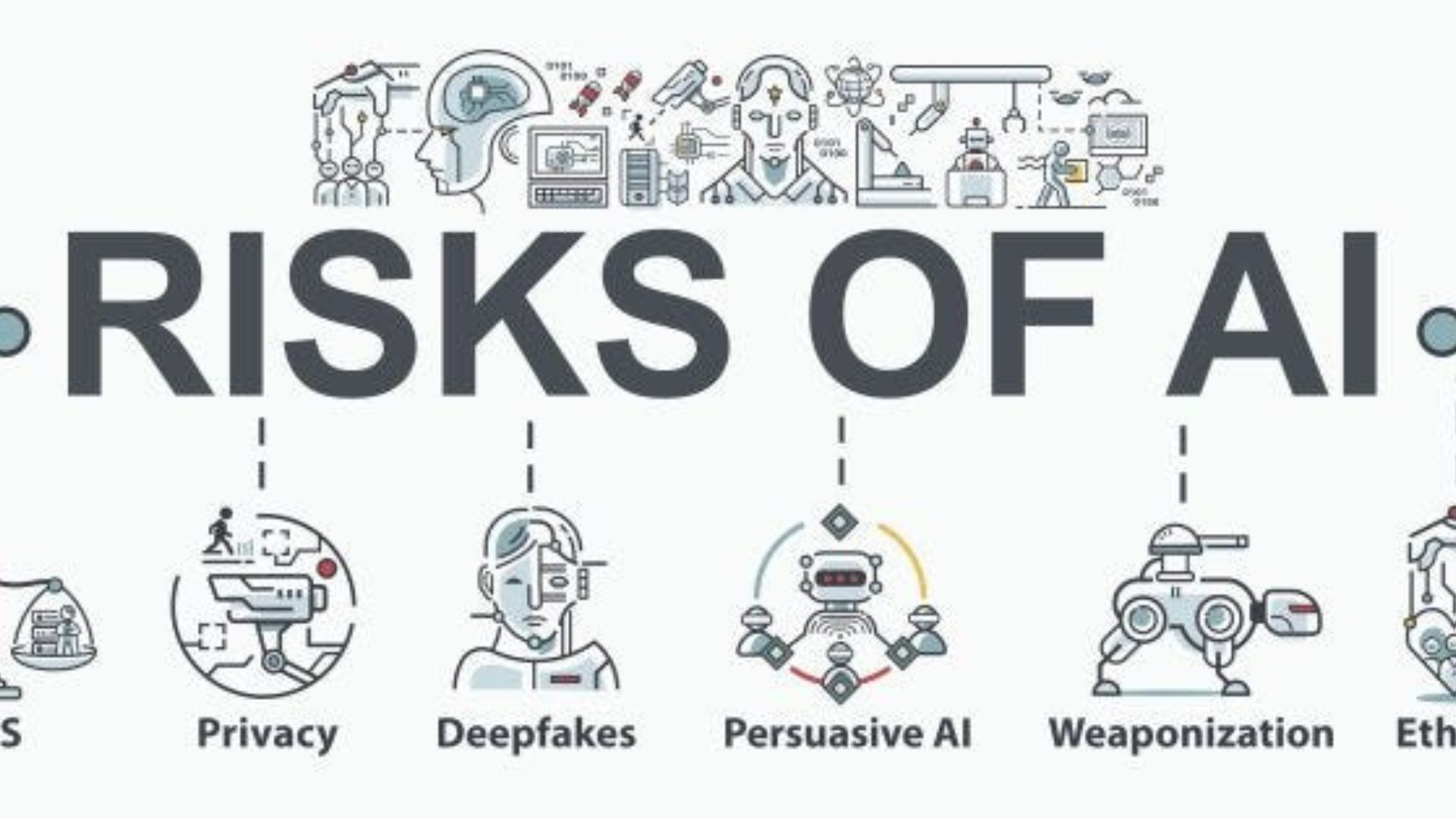
Challenges and Risks of AI Crypto Trading
Model Overfitting Problems
Overfitting represents a critical challenge in machine learning development. This occurs when models become excessively tailored to historical data, identifying spurious patterns with no predictive value. A trading model might appear highly profitable during backtesting on historical data but fail completely in live trading on new data.
Cryptocurrency markets experience significant regime changes as the ecosystem evolves. A strategy perfected for 2023 conditions might fail completely in 2026 when new cryptocurrencies emerge, regulations change, and market participants shift. Preventing overfitting requires rigorous testing methodologies, including out-of-sample validation and walk-forward analysis verifying that models work across different time periods.
Model degradation occurs when market dynamics shift away from conditions used for training. AI systems require continuous monitoring and periodic retraining to remain effective. This ongoing maintenance burden often exceeds initial development costs, demanding dedicated expertise to sustain profitability.
Black Swan Events and Extreme Volatility
Black swan events—rare, unexpected occurrences with massive market impact—fall outside the range of historical data on which AI models are trained. Major exchange failures, regulatory bans, or technological breakthroughs create market movements that past patterns cannot predict. When novel events occur, AI systems provide no guidance because they have never encountered similar situations.
The cryptocurrency market has experienced numerous black swan events including exchange hacks, regulatory crackdowns, and security breaches causing catastrophic price declines. AI systems cannot anticipate unprecedented events by definition, leaving them vulnerable to tail risks. Sophisticated traders implement additional risk management protocols specifically designed for tail risks that machine learning cannot prevent.
Extreme volatility periods overwhelm statistical models based on normal price distributions. During cryptocurrency crashes driven by panic rather than rational analysis, AI systems struggle because price movements disconnect from fundamental value. Models trained on rational market behavior provide poor guidance during irrational panics.
Regulatory and Compliance Concerns
Regulatory agencies worldwide increasingly scrutinize algorithmic trading, concerned about market manipulation and destabilizing trading activity. Cryptocurrency regulators specifically worry about manipulative trading practices. AI trading systems must comply with regulations prohibiting market manipulation, and systems must incorporate appropriate circuit breakers preventing problematic behavior.
Different jurisdictions enforce varying requirements regarding algorithmic trading. Maintaining compliance across multiple regulatory environments requires substantial expertise. Flash crash incidents potentially caused by AI systems have prompted regulatory investigations, making compliance increasingly important.
Regulations regarding AI and machine learning continue evolving. Requirements that seem acceptable today might become non-compliant tomorrow. AI trading platforms must incorporate flexibility enabling rapid strategy adjustments responding to regulatory changes. This compliance burden adds significant costs and complexity.
Best Practices for AI Crypto Trading
Proper Model Validation
Successful AI crypto trading requires rigorous validation procedures preventing overfitting and ensuring models work on new data. Out-of-sample testing evaluates model performance on data completely separate from training data. Walk-forward analysis simulates real trading conditions where models are trained on historical data and tested on subsequent periods. These validation methods identify whether models possess genuine predictive power or merely fit historical noise.
Cross-validation techniques divide data into multiple subsets, training models on some subsets while testing on others. This approach identifies models that generalize poorly to new data. Hyperparameter optimization balances model complexity with generalization ability, preventing overfitting while maintaining predictive power.
Regular model performance monitoring identifies when market regime changes cause model degradation. Performance metrics tracked daily or weekly reveal whether models remain effective or require retraining. Systematic retraining schedules incorporating new data keep models current with evolving market conditions.
Risk Management Integration
Effective AI crypto trading combines algorithmic decision-making with comprehensive risk management. Position sizing rules limit exposure to individual cryptocurrencies, preventing concentration risk. Stop-loss orders limit maximum losses on individual trades. Portfolio-level risk controls maintain diversification and prevent excessive overall exposure.
Correlation analysis ensures that different portfolio positions don’t move together, providing true diversification benefits. When correlations increase during market stress, AI systems reduce exposure to prevent excessive drawdowns. Stress testing scenarios identify portfolio vulnerabilities to specific market shocks.
Liquidity management ensures that AI systems can exit positions quickly without experiencing excessive slippage. Large positions in illiquid cryptocurrencies might prove impossible to sell without moving prices significantly. Monitoring liquidity constraints prevents situations where AI systems become trapped in positions they cannot exit at reasonable prices.
Continuous Monitoring and Adaptation
AI crypto trading systems require continuous monitoring to identify performance degradation. Real-time dashboards tracking key metrics alert operators when systems deviate from expected performance. Automated alerts identify unusual behavior patterns requiring human investigation.
Regular strategy reviews evaluate whether trading approaches remain aligned with market realities. What worked last year might not work this year. Updating strategies based on new information and evolving market conditions maintains competitive advantages. A/B testing compares different strategy variants, identifying which approaches work best under current conditions.
Scheduled system maintenance prevents technical failures that could cause catastrophic losses. Backup systems ensure continued operation if primary systems fail. Disaster recovery procedures enable rapid system restoration if serious problems occur.
Future of AI in Crypto Trading
Artificial intelligence technology continues advancing rapidly, promising even more sophisticated trading systems in coming years. Quantum computing could eventually enable computations orders of magnitude beyond current capabilities, solving optimization problems impossible with classical computers. Federated learning might enable collaborative model development across trading firms while maintaining data privacy.
Decentralized finance evolution creates new opportunities for AI systems to optimize across innovative financial primitives. Smart contracts combined with machine learning could create entirely new trading strategy categories. The cryptocurrency ecosystem itself provides ideal testing grounds for advanced AI applications.
Integration of alternative data sources will become increasingly important as more competitors employ similar AI algorithms. Traditional price action information advantages diminish as algorithmic competitors multiply. AI systems successfully incorporating diverse data sources—satellite imagery, supply chain information, web traffic data—will maintain competitive advantages.
Sentiment analysis will likely become more sophisticated, incorporating video analysis, voice tone recognition, and behavioral pattern analysis. As sentiment analysis capabilities improve, systems will extract increasingly accurate market sentiment from diverse sources. These sophisticated sentiment indicators could become dominant trading signals for AI systems.
Conclusion
Artificial intelligence is fundamentally transforming cryptocurrency trading, creating unprecedented advantages for market participants deploying sophisticated machine learning systems. The continuous operation of cryptocurrency markets, abundant trading data, and extreme volatility create ideal conditions for AI-powered trading strategies to generate exceptional returns.
Algorithmic trading, portfolio optimization, and sentiment analysis represent just the beginning of AI applications within crypto trading. Speed, emotional objectivity, and the ability to process vast data volumes give AI systems decisive advantages over human traders. However, substantial challenges remain, including model overfitting, market regime changes, and black swan events that no AI system can fully prevent.
The future of crypto trading will likely involve increasingly sophisticated artificial intelligence integration with human oversight, combining algorithmic decision-making advantages with human judgment regarding strategy direction. Successful approaches balance AI capabilities with prudent risk management and regulatory compliance. As cryptocurrency markets mature and institutional capital increases, AI-powered trading will transition from emerging trend to fundamental infrastructure within modern digital asset markets.
