


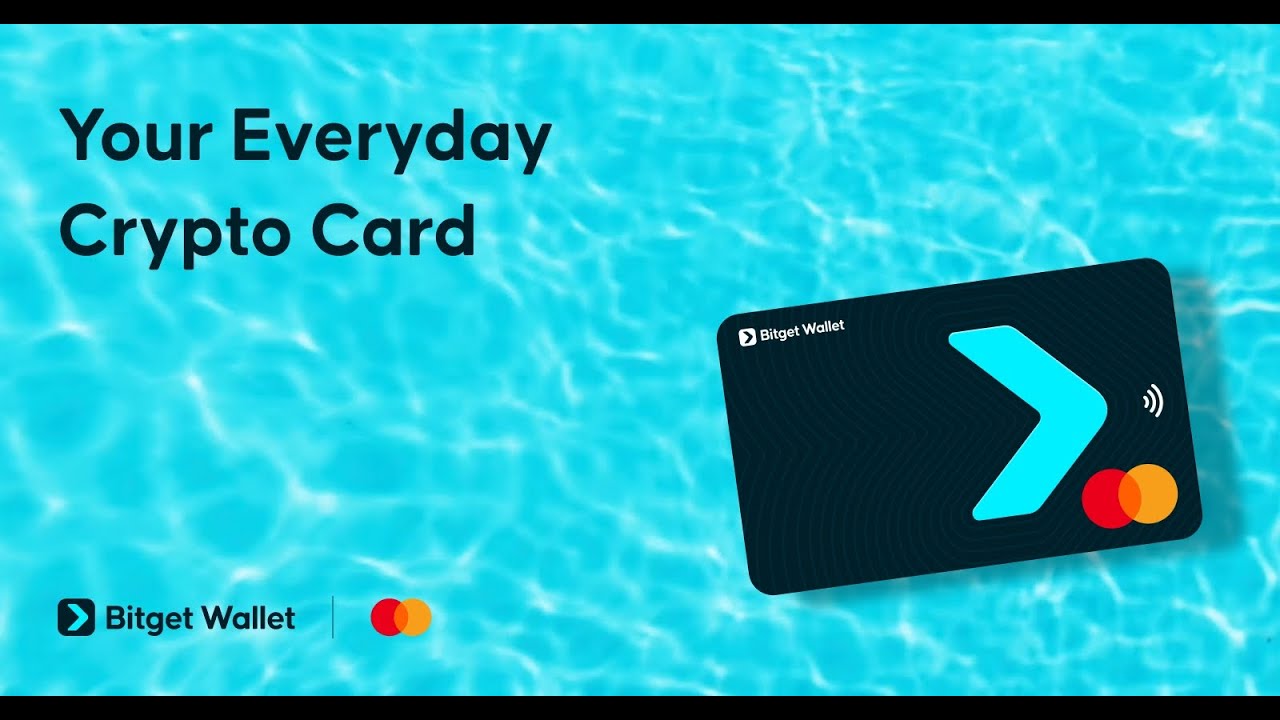
The cryptocurrency payment landscape is undergoing a significant transformation, and Bitget Wallet is positioning itself at the forefront of this revolution with an ambitious $300,000 crypto card campaign. This strategic initiative represents a watershed moment for digital payment adoption in emerging markets, where traditional banking infrastructure often remains limited and access to financial services faces considerable barriers. The campaign focuses specifically on promoting stablecoin payments through a cryptocurrency card solution designed to bridge the gap between traditional commerce and blockchain-based financial systems.
Stablecoin technology has emerged as one of the most promising use cases within the broader cryptocurrency ecosystem, offering price stability that makes digital assets suitable for everyday transactions rather than pure speculation. Unlike volatile cryptocurrencies that fluctuate wildly in value, stablecoins maintain relatively consistent pricing by being pegged to fiat currencies like the US dollar. This stability transforms cryptocurrencies from investment assets into practical payment instruments that merchants and consumers can actually rely upon for commerce.
The Bitget Wallet initiative arrives at a pivotal moment when emerging market economies are increasingly exploring alternative payment solutions to complement or replace traditional banking systems. Countries in Southeast Asia, Latin America, Africa, and South Asia face significant challenges with payment infrastructure, including high remittance fees, limited banking access, and currency instability. By launching this $300,000 campaign, Bitget Wallet addresses these pain points directly while simultaneously building infrastructure for the future of digital payments.
Bitget Wallet’s Strategic Vision
The Company Behind the Initiative
Bitget Wallet operates as a comprehensive digital wallet platform that enables users to store, manage, and transact with various cryptocurrencies and blockchain tokens. The platform has gained prominence in recent years for its user-friendly interface, robust security features, and commitment to expanding cryptocurrency accessibility beyond traditional enthusiasts and professional traders. By focusing on emerging markets, Bitget Wallet demonstrates a forward-thinking approach to cryptocurrency adoption that recognizes where the most significant potential for growth and meaningful impact exists.
The decision to invest $300,000 specifically in promoting crypto card payments reflects a deliberate strategic choice to move beyond theoretical cryptocurrency adoption toward practical, real-world applications. Rather than simply building technology and hoping adoption follows, Bitget Wallet is actively incentivizing users and merchants to embrace stablecoin-based payments. This proactive approach acknowledges that behavioral change requires more than awareness—it requires concrete incentives and demonstrated benefits that make digital payment adoption preferable to existing alternatives.
Bitget Wallet’s focus on emerging markets distinguishes this initiative from many cryptocurrency projects that concentrate efforts on developed Western markets with already-robust payment infrastructure. This geographic focus suggests that Bitget Wallet understands where cryptocurrency adoption addresses genuine problems rather than simply offering alternative solutions to already-solved problems. Emerging markets represent the true frontier for cryptocurrency payment adoption, where the needs are most acute and the potential impact most significant.
Why Stablecoins Matter for Emerging Economies
Stablecoin technology addresses specific and critical challenges faced by emerging market economies. Traditional currencies in many developing nations experience significant volatility, inflation, and periodic crises that erode purchasing power and make long-term planning difficult. USDT, USDC, and other dollar-pegged stablecoins provide an alternative store of value that maintains consistent purchasing power across borders. For individuals in countries experiencing currency instability, accessing stablecoin payments represents a way to preserve wealth without needing physical dollar bills or costly banking services.
The remittance market provides a particularly compelling use case for stablecoin-based payments. Workers in developed nations send roughly $700 billion annually to family members in developing countries, but traditional remittance services extract substantial fees—often 5-10% of transaction value. Blockchain-based stablecoin transfers can reduce these fees to minimal levels while providing settlement in minutes rather than days. For families dependent on remittances for survival, this cost reduction represents meaningful financial impact.
Beyond remittances, stablecoins enable financial inclusion for unbanked and underbanked populations. In many emerging markets, opening a traditional bank account requires documentation, minimum balances, or physical access to branches that many rural residents lack. Digital wallets supporting stablecoin transactions require only a smartphone and internet connection, dramatically lowering barriers to formal financial participation. This financial inclusion potential explains why Bitget Wallet and other cryptocurrency companies view emerging markets as essential to long-term success.
The $300,000 Campaign: Mechanics and Structure
How the Campaign Incentivizes Adoption
The $300,000 campaign functions as a targeted subsidy program designed to reduce friction and encourage both consumers and merchants to adopt stablecoin payment infrastructure. Promotional mechanisms likely include direct incentives for first-time transactions, cashback rewards for crypto card users, and potential subsidies for merchants who install point-of-sale systems supporting cryptocurrency payments. These direct financial incentives overcome the chicken-and-egg problem that typically prevents new payment systems from gaining initial traction.
User incentives typically follow a tiered structure where early adopters receive the most substantial rewards, creating urgency and encouraging rapid adoption before incentive pools deplete. Merchants participating in the campaign may receive compensation for payment processing, training support, or guarantees against market volatility risk. This dual-sided incentive structure—rewarding both consumers and merchants—recognizes that payment system adoption requires participation across the ecosystem rather than simply convincing individual users.
The $300,000 budget allocation represents a calculated investment in market validation and user acquisition. Rather than spreading resources thinly across numerous markets and initiatives, Bitget Wallet is concentrating capital on emerging market geographies where impact is likely to be greatest and where cryptocurrency adoption faces the fewest institutional barriers. This focused approach maximizes the likelihood that the campaign generates meaningful adoption and demonstrates sustainable stablecoin payment use cases.
Geographic Focus and Target Markets
Bitget Wallet’s emerging market strategy likely concentrates on specific regional focus areas where conditions are particularly favorable for cryptocurrency adoption. Southeast Asian countries including Vietnam, Philippines, and Thailand have demonstrated strong cryptocurrency adoption rates and possess young, tech-savvy populations comfortable with digital payment solutions. Latin American nations like El Salvador and Argentina face currency instability that makes stablecoin alternatives particularly attractive. African countries, despite limited traditional banking infrastructure, are experiencing explosive growth in mobile money adoption that creates readiness for blockchain-based payments.
Each region presents distinct opportunities and challenges. Southeast Asian markets benefit from existing mobile payment culture—apps like GCash and Grab have trained populations to embrace digital transactions. Latin American markets are driven by currency instability and inflation, making dollar-pegged stablecoins compelling as stores of value. African markets feature substantial unbanked populations and mobile-dominant internet usage patterns that align perfectly with blockchain wallet accessibility. By tailoring the campaign to regional characteristics, Bitget Wallet maximizes relevance and adoption likelihood.
The geographic selection also reflects regulatory considerations. While cryptocurrency remains controversial in some jurisdictions, certain emerging markets have adopted notably progressive regulatory frameworks. El Salvador’s Bitcoin adoption as legal tender set a precedent, and several other nations have signaled openness to cryptocurrency infrastructure. Bitget Wallet’s campaign selection likely prioritizes markets where regulatory clarity exists or where regulatory authorities have demonstrated flexibility toward cryptocurrency innovation.
Stablecoin Technology: The Foundation of the Campaign
How Stablecoins Enable Practical Payment
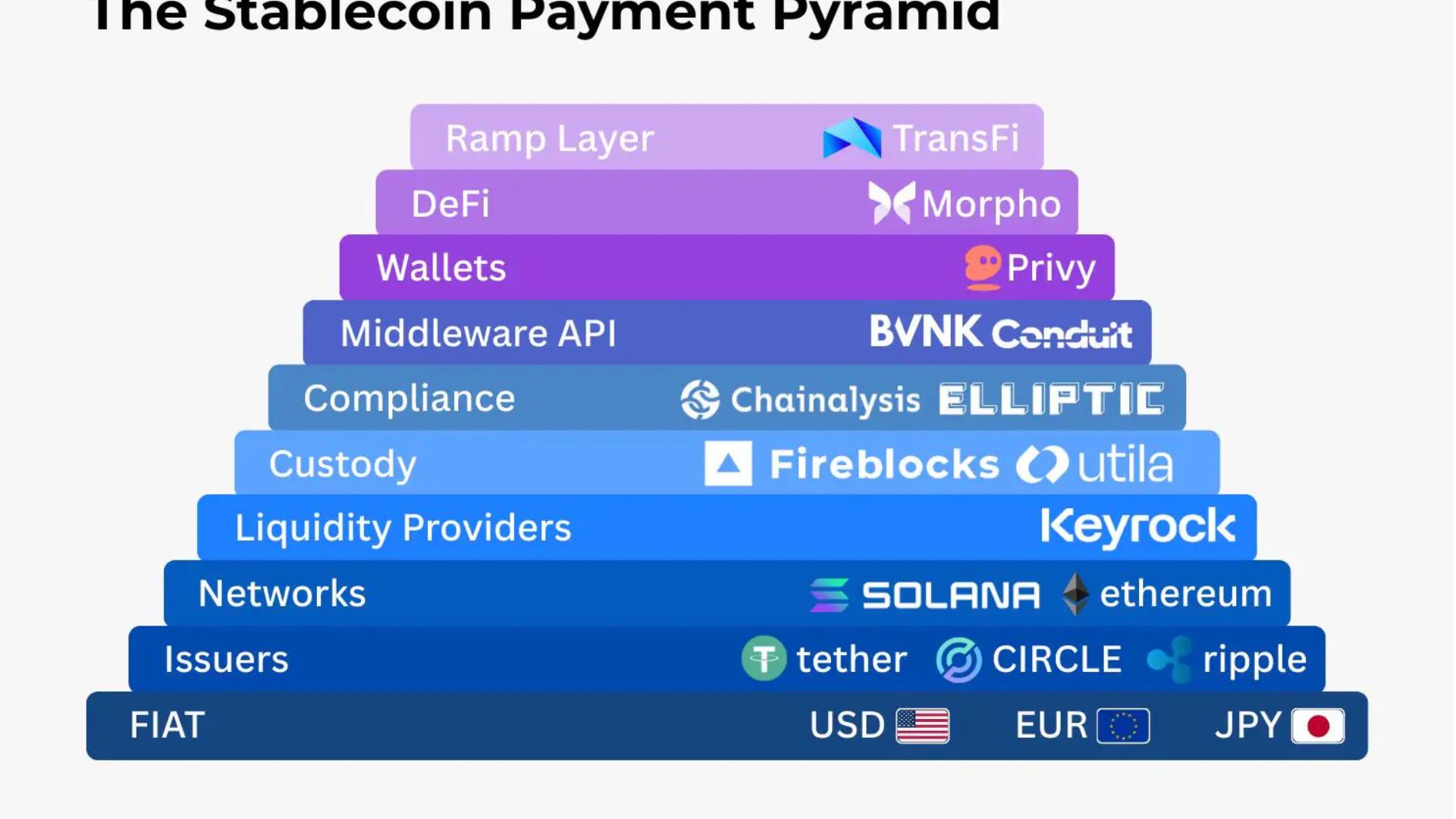
Stablecoin technology functions fundamentally differently from traditional cryptocurrencies, with price stability constituting its defining characteristic. Dollar-pegged stablecoins maintain consistent $1.00 valuations through various mechanisms—some maintain 1:1 reserves of actual US dollars, while others use algorithms and financial instruments to manage supply and demand dynamics. This stability makes stablecoins suitable for pricing goods, calculating salaries, and conducting business without concerns about price fluctuations between transaction initiation and settlement.
The technical implementation of stablecoin payments through crypto cards involves converting stablecoin holdings into fiat currency at point-of-sale or processing transactions directly in stablecoins while merchants receive fiat settlement. From the consumer perspective, using a cryptocurrency card functions almost identically to using a traditional debit card—insert or tap the card, enter a PIN, and complete the transaction. The blockchain infrastructure handling the transaction execution remains transparent to users, who benefit from the underlying efficiency without requiring technical understanding.
Cross-border payment efficiency represents one of the most significant advantages of stablecoin-based transactions. Traditional international payments navigate multiple intermediary banks, currency conversion steps, and compliance procedures that typically require 2-5 business days for settlement. Stablecoin transfers across borders settle in minutes with minimal intermediaries, dramatically reducing costs and increasing speed. For businesses receiving payments from international customers, stablecoin payments eliminate currency conversion risks and reduce friction in getting paid.
Regulatory Considerations and Stability Mechanisms
The regulatory landscape for stablecoins continues evolving as government authorities worldwide assess whether these instruments require specific oversight. Many jurisdictions have signaled intent to regulate stablecoin issuers similarly to banks, requiring reserve requirements and compliance with traditional financial regulations. Bitget Wallet’s campaign likely focuses on stablecoins like USDT and USDC that have demonstrated regulatory compliance and public confidence through maintaining proper reserves and transparent operations.
Stablecoin reserve backing provides the foundation for user confidence in these instruments. USDC, issued by regulated financial institutions, maintains 1:1 backing with US dollar reserves held in banks and short-term Treasury securities. USDT, the most widely used stablecoin, has historically faced questions about reserve adequacy but has implemented reforms and transparency measures to address regulatory concerns. These stability mechanisms ensure that stablecoin holders can confidently expect consistent value maintenance.
The price stability that characterizes quality stablecoins enables merchants and consumers to conduct commerce without currency risk. A merchant accepting USDC payment maintains the same purchasing power whether the transaction settles immediately or after processing delays. This payment predictability contrasts sharply with cryptocurrency volatility, where accepting Bitcoin payment involves significant risk that the asset might decline substantially before the merchant converts it to fiat currency.
Cryptocurrency Cards: Bridge Between Blockchain and Commerce
How Crypto Cards Function in Practice
Cryptocurrency cards represent a critical innovation enabling stablecoin payments to function in real-world commerce. These physical or virtual cards connect directly to cryptocurrency wallets, allowing users to spend blockchain-based assets at any merchant accepting traditional debit or credit cards. The technology works through a combination of wallet integration, real-time asset conversion, and traditional payment network processing. When a user makes a purchase with a crypto card, the system simultaneously converts cryptocurrency holdings to fiat currency and processes the transaction through the Visa or Mastercard network.
The technical architecture of cryptocurrency cards involves cryptocurrency exchange functionality integrated seamlessly into the payment processing flow. Rather than requiring users to manually convert assets and transfer funds to traditional bank accounts, crypto cards automate this process at transaction time. From the merchant’s perspective, the transaction appears identical to any other card payment—Visa or Mastercard processing applies, settlement occurs through normal banking channels, and no special cryptocurrency knowledge is required.
User experience with crypto cards represents a critical advantage over traditional cryptocurrency wallets for mainstream adoption. Rather than requiring users to understand blockchain concepts, manage private keys, and navigate decentralized exchanges, crypto cards present a familiar interface—the debit card experience that billions of people already understand. This user accessibility dramatically lowers barriers to adoption compared to explaining blockchain technology to populations with limited cryptocurrency familiarity.
Features Enabling Emerging Market Adoption
Crypto card features designed specifically for emerging market users include multi-currency support, minimal documentation requirements, and low or zero monthly fees. Unlike traditional banking products that often require proof of address, stable employment, and minimum account balances, crypto cards can be issued with minimal documentation—often just a phone number and email address. This low-barrier issuance aligns perfectly with financial inclusion objectives in emerging markets where documentation access varies.
Merchant acceptance represents another crucial feature enabling crypto card utility. Cards utilizing the Visa or Mastercard network can be used at approximately 30-40 million merchants worldwide, including those in emerging markets. Rather than building entirely new merchant acceptance infrastructure for cryptocurrency payments, crypto cards leverage existing payment networks that merchants already support. This infrastructure reuse dramatically accelerates adoption compared to building parallel payment systems from scratch.
Transaction speed and settlement features make cryptocurrency cards particularly attractive for emerging market usage. Traditional bank transfers in developing nations often require 2-10 business days due to limited banking infrastructure. Crypto card transactions settle in minutes through blockchain networks, providing rapid access to funds. For individuals depending on remittance payments, faster settlement means faster access to critical funds.
Market Impact and Adoption Potential
Current State of Cryptocurrency Adoption in Emerging Markets
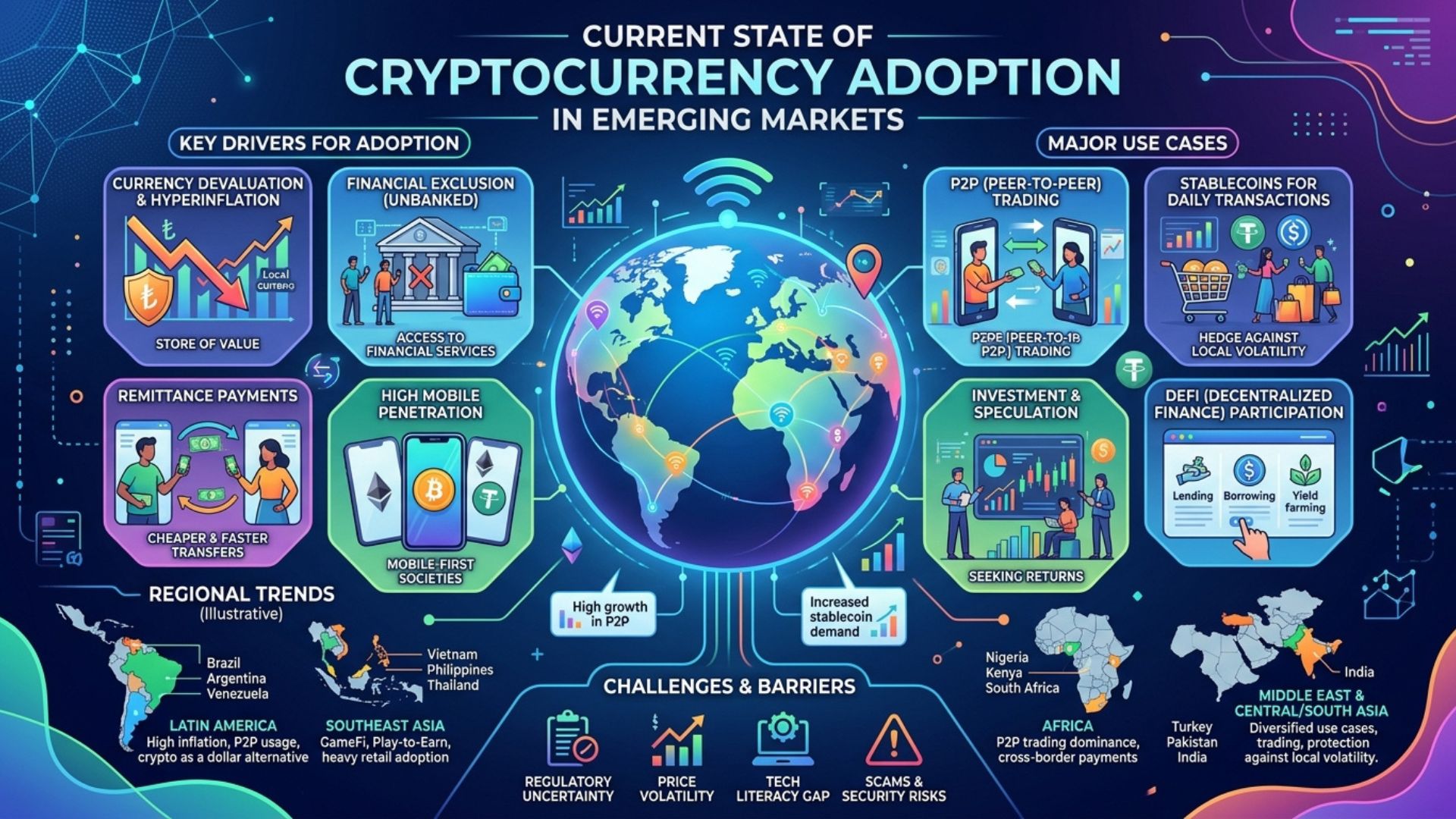
Emerging market cryptocurrency adoption has accelerated substantially in recent years, driven by currency instability, limited banking access, and growing smartphone penetration. Countries like El Salvador, Argentina, and Vietnam have emerged as cryptocurrency adoption leaders, with significant percentages of populations holding cryptocurrency assets. Stablecoin adoption specifically has grown as users recognize the value proposition of cryptocurrency’s efficiency benefits combined with price stability suitable for transactions.
The unbanked population in emerging markets represents an enormous potential market for cryptocurrency-based payment solutions. Approximately 1.7 billion adults worldwide lack access to traditional banking services, with the vast majority concentrated in developing nations. This financially excluded population often relies on cash for transactions, making international payments, remittances, and cross-border commerce unnecessarily expensive and complicated. Cryptocurrency payment solutions offer a path to financial inclusion that bypasses traditional banking infrastructure.
Mobile money adoption in emerging markets demonstrates readiness for digital payment adoption. Services like M-Pesa in Kenya, GCash in the Philippines, and Alipay in China have trained populations to embrace digital transactions and demonstrated the economic benefits. This existing comfort with mobile payments creates a foundation upon which cryptocurrency payment adoption can build. Users accustomed to mobile-based transactions can relatively easily transition from proprietary payment apps to blockchain-based wallets and cryptocurrency cards.
Projected Impact of the Bitget Wallet Campaign
The $300,000 investment in emerging market adoption, while substantial, represents a calculated approach to building sustainable cryptocurrency payment adoption. Rather than attempting to convert entire populations through awareness campaigns alone, Bitget Wallet is demonstrating practical benefits through direct incentives. The campaign likely generates thousands of first-time stablecoin payment users, with a subset converting into regular users who continue utilizing crypto cards beyond the promotional period.
Long-term impact potential extends beyond direct campaign participants. Each successful cryptocurrency payment transaction demonstrates to friends, family, and merchant communities the practical benefits of stablecoin-based commerce. This peer-to-peer adoption effect can perpetuate beyond the campaign itself, creating sustained adoption that outlasts the promotional period. Early adopters become advocates, persuading others to adopt crypto card payments based on demonstrated benefits.
Merchant adoption represents a crucial success metric for campaign impact. Merchants who experience their first cryptocurrency payments and perceive benefits—lower fees, faster settlement, expanded customer base—become repeat participants in the ecosystem. Building a merchant base accepting stablecoin payments creates network effects where both consumer and merchant adoption accelerate. The campaign likely includes specific incentives to convert merchant participation from trial to sustained participation.
Regulatory Landscape and Compliance Considerations
How Emerging Markets Are Addressing Cryptocurrency Regulation
Cryptocurrency regulation in emerging markets exhibits tremendous diversity, ranging from outright bans to progressive regulatory frameworks. Some nations are developing comprehensive cryptocurrency licensing frameworks, while others maintain uncertainty about whether cryptocurrency operations require specific authorization. Bitget Wallet’s campaign must navigate this complex regulatory landscape, selecting markets where cryptocurrency payment operations face minimal legal barriers.
El Salvador’s Bitcoin adoption as legal tender set a precedent for proactive government embrace of cryptocurrency innovation. Several other nations including Argentina, Paraguay, and various African countries are exploring similar initiatives. These forward-thinking regulatory environments create opportunities for cryptocurrency payment platforms to operate with regulatory clarity. Conversely, markets with prohibitive regulatory stances remain inaccessible regardless of market opportunity.
Compliance requirements for cryptocurrency card operations typically involve licensing, anti-money-laundering (AML) procedures, and know-your-customer (KYC) protocols. Bitget Wallet must ensure crypto card operations meet regulatory requirements in each market where the campaign operates. The platform likely implements robust identity verification and transaction monitoring systems to demonstrate regulatory compliance while maintaining user privacy to the extent that local regulations permit.
Building Trust Through Regulatory Compliance
The regulatory compliance approach undertaken by Bitget Wallet strengthens long-term viability for cryptocurrency payment adoption in emerging markets. Rather than operating in gray areas hoping regulators won’t notice, proactively seeking regulatory clarity establishes Bitget Wallet as a legitimate financial services provider worthy of user trust. This approach contrasts with cryptocurrency’s earlier reputation as an unregulated Wild West.
Consumer protection mechanisms required by responsible regulators—fraud protection, transaction reversal procedures, account recovery processes—actually benefit cryptocurrency adoption. Users hesitant to trust cryptocurrency partly because of perceived lack of protections gain confidence when platforms implement regulatory compliance safeguards. The Bitget Wallet campaign likely emphasizes regulatory compliance and user protection as key messaging points for emerging market audiences.
The Broader Cryptocurrency Industry Implications
Signaling Market Validation for Stablecoin Adoption
Bitget Wallet‘s $300,000 investment in emerging market stablecoin adoption signals to the broader cryptocurrency industry that practical payment use cases represent the most promising path forward. Rather than focusing exclusively on speculative trading or store-of-value narratives, this campaign emphasizes transaction utility and real-world commerce applications. This shift in industry focus from speculation toward practical adoption marks an important maturation of the cryptocurrency ecosystem.
The campaign demonstrates that cryptocurrency payment adoption requires deliberate investment and infrastructure development rather than simply happening organically. Infrastructure companies, cryptocurrency platforms, and payment networks must actively facilitate adoption through direct incentives, merchant education, and technical development. This active adoption approach contrasts with earlier cryptocurrency narratives that suggested adoption would inevitably follow once technology became available.
Industry competition will likely intensify as other major cryptocurrency platforms recognize the opportunities demonstrated by Bitget Wallet’s campaign. Competitors including Crypto.com, Binance, and other platforms offering cryptocurrency cards may launch
