



Zcash has long been recognized as one of the leading privacy-focused cryptocurrencies, using advanced cryptographic techniques to protect transaction confidentiality while preserving blockchain verification. The introduction of the Orchard protocol marked a major technological milestone for the Zcash ecosystem by improving shielded transactions and enhancing privacy efficiency. However, reports surrounding an Orchard-related vulnerability have raised questions that extend beyond software engineering. Market participants are now asking whether individuals with early knowledge of security flaws could potentially gain unfair trading advantages before vulnerabilities are publicly disclosed.
The issue of pre-disclosure trading is especially sensitive because cryptocurrency markets operate continuously and often react quickly to security announcements. If confidential information about a vulnerability becomes available to a limited group of insiders before public disclosure, those individuals could theoretically adjust investment positions ahead of broader market reactions. Even when no improper trading occurs, the perception of unequal access to information can undermine investor confidence and weaken trust in decentralized ecosystems.
The Zcash Orchard incident therefore highlights two interconnected challenges facing the blockchain industry. The first is ensuring secure and responsible vulnerability disclosure so users are protected while developers prepare software updates. The second is maintaining fair and transparent financial markets in which all participants have equal access to material information. Balancing these objectives is increasingly important as cryptocurrencies attract institutional investors, regulators, and mainstream financial attention.
Zcash and the Orchard Protocol
Zcash (ZEC) is a privacy-focused blockchain that allows users to choose between transparent and shielded transactions. Unlike many public blockchains where transaction details are fully visible, Zcash uses advanced zero-knowledge proofs to preserve financial privacy while still enabling network verification. This design has made Zcash one of the most notable projects in the privacy coin sector.
The Orchard protocol represents one of the most significant upgrades in Zcash’s evolution. It introduced improvements to shielded transactions, increased efficiency, enhanced wallet functionality, and better long-term scalability. Orchard was designed not only to strengthen privacy but also to simplify future protocol upgrades and improve the overall user experience.
Because Orchard plays a central role in Zcash’s privacy infrastructure, any vulnerability affecting this component naturally attracts significant attention from developers, exchanges, investors, and cybersecurity researchers. In a privacy-oriented ecosystem, even a technical issue can quickly become a broader discussion about trust, governance, and market behavior.
What Was the Orchard Flaw?
The reported Orchard flaw involved a vulnerability identified during ongoing security analysis of the protocol. As with many blockchain software issues, the concern was not limited to the technical characteristics of the flaw itself but also extended to how the information was handled before becoming public. In blockchain systems, where code changes can affect both security and market sentiment, the timing and management of disclosure are often just as important as the vulnerability itself.
Security vulnerabilities are routinely discovered in complex software systems, especially those that rely on advanced cryptography and distributed infrastructure. The critical issue is whether affected organizations respond responsibly by investigating the problem, preparing software updates, coordinating with ecosystem participants, and minimizing risks before public disclosure. A well-managed response can reduce harm, while poor handling can create confusion, reputational damage, and unnecessary exposure.
In Zcash’s case, discussion quickly expanded beyond the technical bug itself to include questions about information handling and market transparency. That shift reflects a broader reality in cryptocurrency markets: technical incidents are rarely just technical. They often influence investor perception, governance expectations, and the credibility of the project as a whole.
Understanding Pre-Disclosure Trading
Pre-disclosure trading refers to buying or selling assets based on confidential information before that information becomes publicly available. In traditional financial markets, trading on material non-public information may violate insider trading laws under certain circumstances. Although cryptocurrency markets are still developing their regulatory frameworks, the ethical concerns are similar.
Digital asset markets present more complex legal and regulatory questions because they operate across multiple jurisdictions with different rules and enforcement standards. Even so, market participants generally expect equal access to material information. When some individuals receive important security information before others, concerns naturally arise about fairness, transparency, and the possibility of misuse.
This is why pre-disclosure trading is such a sensitive issue in the crypto sector. A vulnerability announcement can affect price, sentiment, and trading behavior almost immediately. If a small group has advance knowledge of a flaw, even the appearance of unfair advantage can damage confidence in the market and in the project itself.
Why Security Disclosure Matters
Responsible vulnerability disclosure serves several essential purposes. Developers need sufficient time to verify reported issues, reproduce the problem, and determine the scope of the risk. Software patches must then be created, tested, and deployed safely to avoid introducing new problems. In many cases, infrastructure providers such as exchanges, wallet developers, mining pools, and node operators also need time to prepare upgrades and coordinate their own responses.
Premature disclosure can expose users to unnecessary risk by alerting malicious actors before protective measures are available. Once a vulnerability becomes public, attackers may attempt to exploit it before patches are widely adopted. For that reason, carefully coordinated disclosure remains one of the most important practices in cybersecurity. It helps protect users while still preserving the long-term transparency that open-source ecosystems depend on.
The Challenge of Balancing Security and Transparency
One of blockchain’s unique challenges is balancing two competing priorities. Immediate public disclosure promotes transparency and can reassure the community that information is being shared openly. Delayed disclosure, however, improves user protection by allowing vulnerabilities to be addressed before technical details are released.
Neither approach is perfect. Excessive secrecy may create concerns about unequal information access or hidden risks, while premature publicity may increase the likelihood of exploitation. Projects like Zcash must continuously work to strike an appropriate balance between these competing objectives. The goal is not simply to disclose information quickly, but to disclose it responsibly in a way that protects users, supports developers, and maintains trust.
Market Sensitivity to Security News
Cryptocurrency markets often respond rapidly to cybersecurity developments. Announcements involving vulnerabilities, protocol upgrades, exchange incidents, or smart contract exploits can significantly influence investor sentiment and trading activity. Large investors closely monitor technical developments, and even rumors can generate meaningful price volatility.
This sensitivity makes the secure management of technical information especially important. A vulnerability disclosure can affect not only the project’s reputation but also the behavior of traders, institutions, and ecosystem partners. Maintaining market confidence therefore depends on both effective security practices and transparent communication. When those elements are handled well, the market is more likely to respond rationally rather than react to uncertainty or speculation.
Comparison: Responsible Disclosure vs Pre-Disclosure Trading
| Feature | Responsible Vulnerability Disclosure | Pre-Disclosure Trading |
|---|---|---|
| Primary Objective | Protect users while preparing a security fix | Profit from confidential information before public release |
| Information Access | Limited to authorized developers and security teams | Limited to individuals with early access who may trade |
| Ethical Standing | Widely accepted cybersecurity best practice | Raises significant ethical and market fairness concerns |
| Market Impact | Reduces exploitation risk and promotes coordinated updates | Can undermine investor confidence if material information is misused |
| Regulatory Perspective | Encouraged by cybersecurity frameworks | May attract regulatory scrutiny depending on jurisdiction |
| Long-Term Effect | Strengthens ecosystem security and trust | May damage market integrity and project reputation |
Blockchain Security Best Practices

Blockchain projects increasingly adopt mature cybersecurity procedures to reduce risk and improve resilience. Independent code audits help identify vulnerabilities before deployment, while bug bounty programs encourage ethical security research by rewarding responsible reporting. Formal verification can improve software reliability by mathematically checking certain properties of code, and continuous monitoring enables rapid detection of unusual activity across the network.
Responsible disclosure policies are also essential because they define how researchers and developers should communicate when vulnerabilities are discovered. Together, these practices significantly reduce ecosystem risk and help ensure that blockchain systems remain secure, transparent, and trustworthy over time.
Ethical Responsibilities of Security Researchers
Cybersecurity researchers play a vital role in blockchain development. Their work helps uncover weaknesses before attackers can exploit them, but that role also carries ethical responsibilities. Responsible researchers privately report vulnerabilities rather than immediately publishing sensitive technical details, allowing developers sufficient time to implement fixes and coordinate responses.
Researchers should also avoid actions that could create financial conflicts of interest or give the appearance of exploiting confidential information. Maintaining professional ethics strengthens trust throughout the blockchain community and supports the broader goal of improving security without compromising fairness or user protection.
Developer Responsibilities
Developers carry significant responsibility once a vulnerability report is received. Prompt investigation is essential, because delays can increase risk and reduce confidence in the project’s ability to respond effectively. Technical fixes must be carefully tested to ensure they resolve the issue without introducing new vulnerabilities or disrupting network functionality.
Communication is equally important. Developers often need to coordinate with exchanges, infrastructure providers, and other ecosystem partners to ensure upgrades are deployed smoothly. Public announcements should provide accurate information without unnecessarily increasing security risks. Transparent post-incident reporting also helps support community confidence by showing that the issue was handled responsibly and that lessons were learned.
Institutional Investors and Information Integrity
Institutional participation continues to expand across cryptocurrency markets, and professional investors increasingly evaluate governance standards alongside technical innovation. Transparent disclosure policies can influence investment decisions because institutions generally prefer blockchain ecosystems that demonstrate mature cybersecurity governance and responsible communication practices.
Strong information management therefore supports broader market adoption. When investors believe that a project handles sensitive information ethically and consistently, they are more likely to view the ecosystem as stable and credible. In this sense, information integrity is not only a security issue but also a strategic advantage in attracting long-term capital.
Regulatory Considerations
Cryptocurrency regulation continues to evolve worldwide, and authorities are paying closer attention to market manipulation, disclosure practices, cybersecurity standards, and investor protection. Although legal treatment varies across jurisdictions, regulators generally emphasize fair access to material information. That principle is central to maintaining confidence in both traditional and digital asset markets.
Future regulatory frameworks may establish clearer expectations regarding vulnerability disclosure and associated trading behavior. Blockchain projects are increasingly preparing for these evolving standards by improving internal governance, documenting disclosure procedures, and strengthening compliance practices. As regulation matures, projects that already follow responsible disclosure norms may be better positioned to adapt.
Lessons for the Broader Crypto Industry
The discussion surrounding Zcash’s Orchard flaw extends far beyond one blockchain project. Every cryptocurrency ecosystem faces similar challenges, whether it is Bitcoin, Ethereum, Layer-2 networks, decentralized finance protocols, or privacy-focused cryptocurrencies. All of these systems rely on responsible security practices to protect users and preserve confidence.
Strong governance frameworks help reduce risk while maintaining market trust. Industry-wide collaboration also strengthens blockchain resilience by encouraging shared standards, better communication, and more consistent responses to vulnerabilities. The lessons from Zcash’s Orchard incident therefore apply broadly across the crypto industry, not just to privacy coins.
Building Stronger Disclosure Frameworks
Future blockchain ecosystems may adopt increasingly sophisticated disclosure procedures to improve both security and fairness. Independent oversight committees could help coordinate vulnerability responses, while time-limited confidentiality agreements may improve information security during the remediation process. Formal communication protocols can also strengthen coordination across exchanges, wallet providers, and infrastructure operators.
Clear documentation increases accountability and helps ensure that all parties understand their responsibilities during a security incident. Improved governance supports long-term ecosystem stability by reducing confusion, limiting risk, and reinforcing trust among users, developers, and investors.
The Future of Blockchain Security Governance
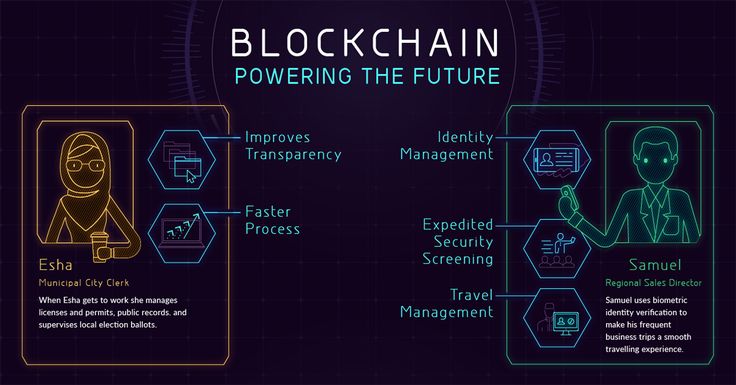
Blockchain security continues to evolve rapidly. Artificial intelligence is increasingly being used to assist vulnerability detection, while formal verification improves smart contract reliability. Advanced cryptographic techniques continue to strengthen protocol security, and automated monitoring tools help identify suspicious network behavior more quickly than manual review alone.
As blockchain adoption expands, governance surrounding vulnerability disclosure will likely become more standardized. These improvements benefit developers, investors, regulators, and users alike by creating a more predictable and secure environment. Over time, stronger governance may become one of the defining features of successful blockchain projects.
Why Investor Confidence Depends on Transparency
Trust remains foundational within cryptocurrency markets. Investors understand that software vulnerabilities can and do occur, especially in complex open-source systems. What matters most is how projects respond when those vulnerabilities are discovered. Responsible disclosure, transparent communication, rapid technical remediation, and ethical governance all help strengthen confidence.
Conversely, uncertainty about how information is managed may increase perceived investment risk. If market participants believe that sensitive information is being handled inconsistently or unfairly, confidence can erode quickly. Strong governance therefore represents not only a security measure but also a competitive advantage in a crowded and rapidly evolving market.
Long-Term Outlook for Zcash
Despite the attention surrounding the Orchard flaw, Zcash continues to benefit from an experienced development community and advanced privacy technology. Security incidents often encourage stronger engineering practices rather than signaling permanent weakness. In many cases, they lead to better audits, improved procedures, and more resilient systems.
Ongoing protocol improvements, comprehensive audits, responsible disclosure processes, and transparent governance can further strengthen ecosystem resilience. Long-term success depends on maintaining both technological innovation and community trust. If Zcash continues to prioritize those values, it can remain a significant player in the privacy-focused cryptocurrency landscape.
Conclusion
The discussion surrounding Zcash’s Orchard flaw extends far beyond a single software vulnerability. It has brought renewed attention to the complex relationship between blockchain security, responsible vulnerability disclosure, and pre-disclosure trading. As cryptocurrency markets mature and attract increasing institutional participation, maintaining both technical security and market integrity becomes more important than ever.
Responsible disclosure remains essential because it gives developers time to verify vulnerabilities, prepare fixes, and coordinate updates before exposing users to unnecessary risks. At the same time, projects must ensure that confidential information is managed ethically to prevent even the appearance of unfair trading advantages. Transparency, accountability, and clear governance are critical for preserving investor confidence in decentralized ecosystems.
The Zcash Orchard incident serves as an important reminder that cybersecurity is not solely a technical challenge. It is also a matter of governance, ethics, communication, and trust. By strengthening disclosure frameworks, expanding independent security audits, encouraging responsible research, and improving coordination across the blockchain ecosystem, projects can better protect both users and markets.
FAQs
Q. What is the Zcash Orchard protocol?
The Orchard protocol is an upgraded shielded transaction system within Zcash that enhances privacy, efficiency, and scalability using advanced zero-knowledge cryptography.
Q. What is pre-disclosure trading?
Pre-disclosure trading refers to buying or selling assets based on confidential information before that information becomes publicly available, raising concerns about market fairness.
Q. Why is responsible vulnerability disclosure important?
Responsible disclosure gives developers time to verify vulnerabilities, create security patches, coordinate updates, and protect users before technical details become public.
Q. Does every blockchain vulnerability lead to market manipulation?
No. Most vulnerabilities are handled responsibly. However, concerns arise whenever confidential information could potentially influence trading before public disclosure.
Q. What lessons can the crypto industry learn from the Orchard flaw?
The incident highlights the importance of strong cybersecurity practices, transparent governance, ethical disclosure policies, independent audits, and fair information management to maintain long-term trust in blockchain ecosystems.
