



The audit profession stands at a pivotal moment in its evolution. For decades, auditors have relied on traditional methods of verifying financial records, examining documentation, and conducting sampling-based reviews to assess organizational compliance and accuracy. Today, blockchain technology is fundamentally changing how audits are conducted, offering unprecedented transparency, security, and efficiency. The application of blockchain in audit systems represents one of the most significant technological advances in accounting and financial control since the advent of computerized bookkeeping.
Blockchain technology is a distributed ledger system that creates immutable, transparent records of transactions across a decentralized network. When applied to audit systems, this technology enables auditors to access real-time, tamper-proof records of financial transactions and business operations. Rather than relying on periodic snapshots of financial data or sampling techniques, auditors can now examine comprehensive transaction histories that cannot be altered retroactively. This shift from traditional audit processes to blockchain-based auditing promises to enhance the quality, efficiency, and reliability of financial audits across industries.
The implications of this technological shift extend far beyond mere convenience. Organizations implementing blockchain audit solutions can dramatically reduce audit costs, accelerate audit cycles, and provide stakeholders with greater confidence in financial reporting. For auditors, adopting blockchain technology means transitioning from reactive verification to real-time monitoring and continuous auditing. This article explores the multifaceted application of blockchain in audit systems, examining how this transformative technology is reshaping the audit profession.
Blockchain Technology Fundamentals
Before examining specific applications of blockchain in audit systems, it’s essential to understand the core characteristics of blockchain technology that make it particularly valuable for auditing purposes.
Core Characteristics of Blockchain
Blockchain technology operates on several fundamental principles that distinguish it from traditional databases and ledger systems. First, blockchain creates a distributed ledger where transaction records are maintained simultaneously across multiple computers or nodes in a network. This decentralization means no single entity controls the records, eliminating the possibility of one party unilaterally altering historical data. Second, blockchain employs cryptographic hashing to link blocks of transactions together in chronological order, making it mathematically impossible to alter past records without detection.
Third, blockchain systems require consensus among network participants before transactions are added to the ledger. This consensus mechanism ensures that multiple independent parties must verify and approve each transaction before it becomes permanent. Fourth, the transparency inherent in blockchain technology means that all authorized participants can view the complete transaction history. These characteristics combine to create an audit trail that is simultaneously tamper-proof, transparent, and verifiable—precisely what auditors require for rigorous financial examination.
The immutability of blockchain records deserves particular emphasis in the auditing context. Once a transaction is recorded on a blockchain, altering it would require changing not just that record but also every subsequent block in the chain, all while maintaining the cryptographic integrity of the system. The computational resources required to execute such an attack make it virtually impossible in practice. This immutability provides auditors with absolute assurance regarding the authenticity and completeness of records.
How Blockchain Differs from Traditional Databases
Traditional financial audit systems rely on centralized databases maintained by individual organizations. While these systems can incorporate security measures like encryption and access controls, they remain vulnerable to various forms of manipulation. Employees with database access can potentially alter records, either intentionally through fraud or inadvertently through errors. System administrators might modify historical data, and the organization itself could selectively delete or alter records.
Blockchain-based audit systems, by contrast, distribute record-keeping across multiple independent nodes. This decentralized approach eliminates single points of failure and removes the possibility of unilateral record modification. Furthermore, while traditional databases can be queried and modified by authorized users, blockchain technology creates permanent, sequential records that form an unbreakable chain of custody. The transparency of blockchain ledgers means that auditors can verify not just current balances but the complete transaction history leading to those balances.
The Evolution of Audit Systems and Blockchain Integration
The journey toward integrating blockchain technology in audit systems represents a natural evolution in how organizations approach financial verification and compliance.
Historical Context of Auditing
For generations, audit processes have followed a relatively consistent methodology. Auditors examine financial statements, test transactions through sampling, review supporting documentation, and assess internal controls. This traditional audit approach worked reasonably well when transaction volumes were limited and organizations were geographically concentrated. However, as businesses have grown more complex, with multiple subsidiaries, global operations, and intricate transaction networks, the limitations of traditional auditing have become increasingly apparent.
Traditional financial audits are inherently retrospective, typically examining transactions that occurred months or even years prior to the audit. The sampling methodology, while statistically valid, means auditors examine only a portion of transactions, leaving some transactions untested and some risks undetected. The process is time-consuming and expensive, requiring large teams of auditors to manually review documents and verify information. Additionally, the audit conclusions, while valuable, represent a snapshot in time rather than continuous verification.
The Shift Toward Continuous Auditing
The emergence of blockchain technology coincides with growing interest in continuous auditing, a fundamentally different approach to financial verification. Rather than conducting periodic audits at fixed intervals, continuous auditing systems monitor financial transactions and compliance in real-time throughout the year. This approach enables auditors to detect and address issues immediately rather than discovering them months later.
Blockchain-based audit systems naturally enable continuous auditing by providing real-time access to immutable transaction records. As transactions occur and are recorded on the blockchain, auditors can monitor them instantly, identifying anomalies or violations as they happen. This represents a paradigm shift from the traditional audit model where auditors examine historical records to one where auditors oversee operations as they unfold. Organizations adopting blockchain audit solutions can move toward perpetual verification rather than periodic examination.
Integration of Technology in Modern Auditing

Modern audit systems increasingly incorporate technology to enhance efficiency and effectiveness. Electronic audit tools, data analytics, and visualization software have gradually transformed auditing from a primarily manual process to one leveraging technological capabilities. Blockchain technology represents the natural culmination of this trend, offering the infrastructure necessary for truly automated, continuous, and transparent audit processes.
The integration of blockchain with other technologies—such as artificial intelligence and data analytics—creates even more powerful audit systems. Machine learning algorithms can analyze blockchain records to identify patterns and anomalies that might indicate fraud or operational issues. Auditors can thus focus their attention on genuinely suspicious transactions rather than spending time on routine verification. This combination of blockchain technology with advanced analytics represents the future of the audit profession.
Key Applications of Blockchain in Audit Systems
The application of blockchain technology to auditing creates numerous practical benefits and enables new audit approaches previously impossible with traditional systems.
Real-Time Transaction Verification
One of the most significant applications of blockchain in audit systems involves enabling real-time verification of transactions. As business transactions occur—whether sales, purchases, inventory movements, or financial transfers—they are recorded on a blockchain ledger. Auditors can instantaneously access these records, eliminating the delays inherent in traditional audit processes where information must be gathered, compiled, and then examined.
This real-time verification capability transforms the audit timeline. Rather than waiting for financial period close-out to begin audit procedures, auditors can monitor transactions continuously. If an anomaly is detected—such as a transaction outside approved parameters or a violation of policy—it can be flagged immediately. The responsible personnel can then address the issue before it compounds into larger problems. This immediate feedback loop improves organizational control and reduces the risk of undetected fraud or error.
Furthermore, real-time auditing enabled by blockchain technology means that final period audit procedures can be substantially compressed. Much of the verification work occurs continuously throughout the year, so when period-end arrives, auditors can focus on analytical review and exception investigation rather than detailed transaction testing. This efficiency benefits both auditors and organizations being audited.
Immutable Audit Trail Creation
Blockchain technology creates an immutable audit trail that captures every transaction and every alteration to records with complete precision. This audit trail includes not just the final state of data but also the complete history of how data has changed over time. Each transaction is timestamped, linked to the responsible party, and cryptographically signed, creating an unbreakable chain of custody.
This immutability addresses one of the greatest challenges in traditional auditing: the difficulty of proving that records are complete and authentic. With paper or electronic records that can be modified, auditors must implement elaborate control testing to gain assurance regarding record integrity. Blockchain-based systems, by contrast, provide mathematical proof of authenticity. An auditor examining a blockchain audit trail can have absolute assurance that no transaction has been altered or deleted without detection.
The implications for fraud detection are substantial. In traditional audit systems, sophisticated fraudsters might alter records to cover their tracks, and detection depends on auditors identifying inconsistencies or anomalies. With blockchain technology, such tampering is mathematically impossible—any alteration would immediately break the cryptographic chain and be visible to all observers. This fundamental characteristic transforms the risk profile for organizations using blockchain audit solutions.
Smart Contracts and Automated Compliance
Smart contracts are self-executing programs that run on blockchain networks and automatically enforce predetermined rules and conditions. When applied to audit systems, smart contracts can automate compliance verification and control testing. For example, a smart contract might automatically verify that purchases over a certain amount have appropriate approval, or that inventory levels don’t fall below minimum thresholds without triggering review procedures.
These automated compliance mechanisms dramatically enhance audit efficiency. Rather than auditors manually testing whether controls were executed, the blockchain system itself enforces the controls through smart contracts. If a transaction violates a business rule encoded in a smart contract, the transaction is prevented from occurring. This preventive approach is superior to detective controls that identify violations after the fact. Auditors can simply verify that smart contracts are operating correctly and that transactions processed through them comply with business rules.
The application of smart contracts also eliminates many manual review and approval processes that slow down business operations. With automated compliance built into transaction processing, organizations can move faster with confidence that controls are in place. This combination of enhanced controls and improved efficiency represents a significant value proposition for adopting blockchain audit systems.
Multi-Party Verification and Consensus
Many business transactions involve multiple parties—vendor, purchaser, logistics provider, and recipient, for example. Traditional audit systems require gathering documentation from each party and reconciling it to ensure consistency. Blockchain technology enables a fundamentally different approach through distributed consensus.
When a transaction is recorded on a blockchain that includes all relevant parties, each party maintains an identical record. There’s no need for reconciliation because the single source of truth exists on the distributed ledger. All parties confirm the same transaction details simultaneously. This multi-party verification approach eliminates reconciliation delays, reduces errors, and provides auditors with absolute assurance regarding transaction authenticity.
This consensus-based approach is particularly valuable in complex supply chains where transactions pass through numerous intermediaries. Each party verifies and confirms transaction details as they occur, creating an immutable record that reflects the agreed-upon facts at each stage. Auditors examining such transactions have complete visibility into each step and absolute assurance that the recorded facts reflect what all parties acknowledged at the time.
Benefits of Blockchain-Based Audit Systems
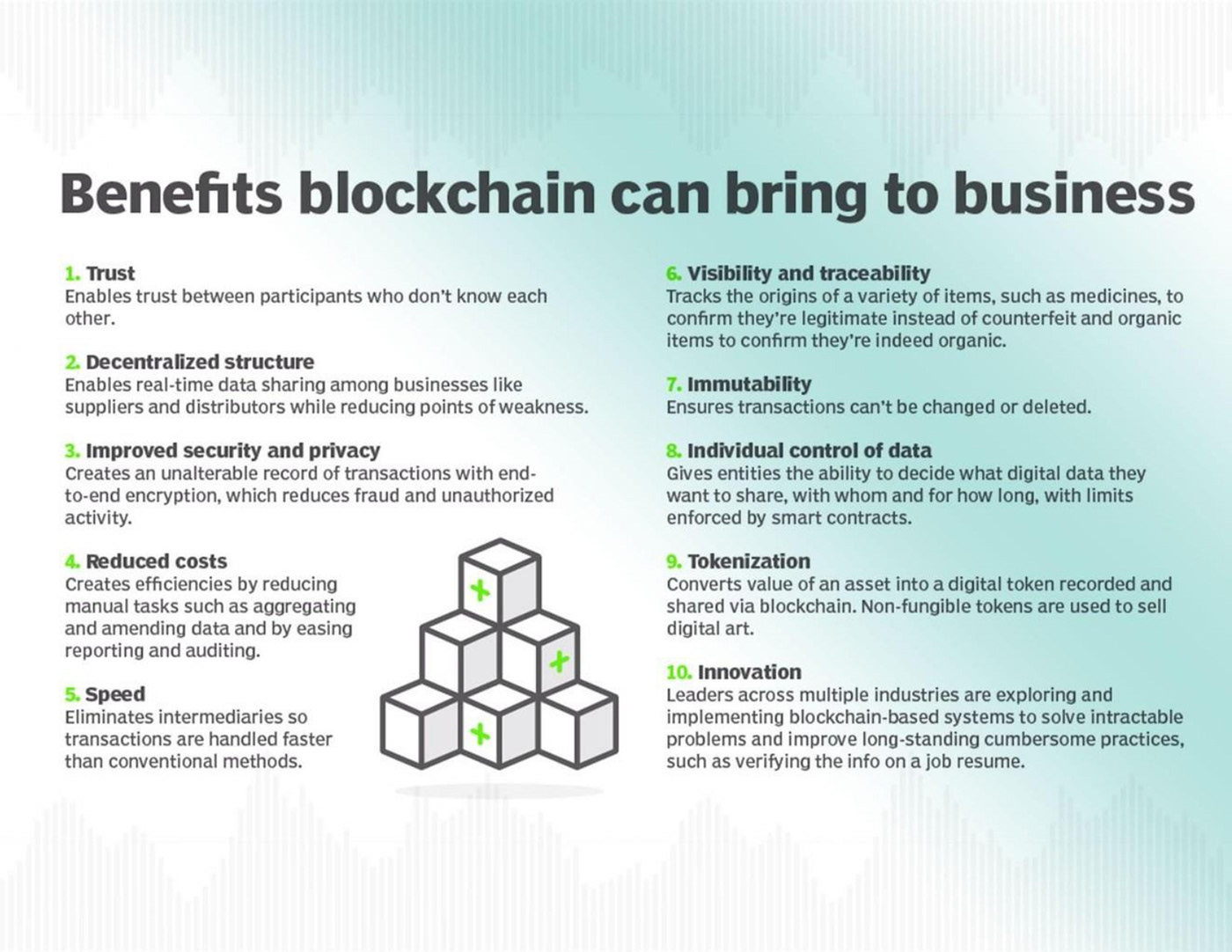
The application of blockchain technology to audit systems delivers substantial benefits for organizations, auditors, and stakeholders.
Enhanced Accuracy and Reduced Errors
Blockchain-based audit systems virtually eliminate data entry errors that plague traditional audit processes. When transactions are recorded directly on the blockchain, they exist in a single, definitive form that cannot be duplicated, miscopied, or misinterpreted. The cryptographic security of blockchain records means that incomplete or corrupted data cannot be added to the ledger.
Furthermore, the real-time verification enabled by blockchain systems means errors are caught immediately rather than discovered during period-end audits. If a transaction is recorded incorrectly, the discrepancy is apparent instantly to all parties, enabling prompt correction. This immediate feedback loop substantially improves data quality throughout the year rather than attempting to fix errors at period-end.
Cost Reduction and Efficiency Gains
Traditional audit processes are labor-intensive, requiring large teams of auditors to manually review documents, test transactions, and verify information. Blockchain-based audit systems substantially automate these procedures, reducing the human labor required. Auditors spend less time on routine verification and more time on analytical review and investigation of anomalies—higher-value activities that leverage their professional judgment.
The time savings are equally significant. Because much verification work occurs continuously through blockchain systems, period-end audit procedures can be substantially shortened. Organizations can close their books faster, providing financial information to stakeholders sooner. For public companies subject to regulatory deadlines, this accelerated timeline provides competitive advantages.
The reduced audit cost reflects both the decreased labor requirement and the elimination of costly rework. With immutable audit trails and automated compliance verification, audit discovery is more efficient. Fewer surprises emerge during fieldwork because controls are continuously monitored and exceptions are known in advance.
Improved Transparency and Stakeholder Confidence
Blockchain technology provides unprecedented transparency regarding organizational transactions and controls. Stakeholders—whether investors, regulators, creditors, or business partners—can have greater confidence in financial information when it’s supported by the verifiable integrity of blockchain systems.
This transparency extends to the audit process itself. Because blockchain records are immutable and comprehensive, auditors can provide stakeholders with detailed evidence supporting their conclusions. Rather than relying on auditor attestation that procedures were performed adequately, stakeholders can see the audit trail directly. This radical transparency strengthens stakeholder confidence in both organizational financial reporting and audit quality.
Fraud Detection and Prevention
The immutability and transparency of blockchain audit systems create a powerful fraud prevention environment. Fraudsters typically rely on altering records to cover their tracks, but blockchain technology makes such alteration impossible. Additionally, the continuous monitoring enabled by blockchain systems means suspicious activities are flagged immediately rather than discovered weeks or months later.
The smart contracts embedded in blockchain systems can enforce controls that prevent unauthorized transactions from occurring in the first place. Rather than relying solely on detective controls that identify fraud after the fact, automated compliance mechanisms prevent transactions that violate business rules. This preventive approach is inherently more effective than relying on detection.
Implementation Challenges and Considerations
While blockchain technology offers substantial benefits for audit systems, implementing blockchain-based auditing involves significant challenges and considerations.
Technical Complexity and Integration Issues
Implementing blockchain audit systems requires substantial technical expertise. Organizations must choose appropriate blockchain platforms, design transaction models that work within blockchain constraints, and integrate blockchain systems with existing enterprise applications. The technical complexity can be daunting, particularly for organizations without dedicated blockchain expertise.
Integration with legacy systems presents particular challenges. Most organizations maintain accounting systems, enterprise resource planning platforms, and other applications that predate blockchain technology. Creating seamless integration between these systems and new blockchain audit solutions requires careful architecture and potentially substantial system modifications. Organizations must plan integration strategically to avoid disruption to ongoing operations.
Regulatory and Legal Considerations
The regulatory framework surrounding blockchain technology remains evolving and uncertain in many jurisdictions. Organizations implementing blockchain audit systems must ensure compliance with financial reporting standards, data privacy regulations, and industry-specific requirements. The question of whether blockchain records constitute legally admissible evidence remains uncertain in some contexts, potentially limiting their utility in dispute resolution.
Additionally, organizations must address data privacy regulations such as GDPR, which can conflict with blockchain transparency. If personal data is recorded on a blockchain, the immutability of blockchain systems may conflict with individuals’ rights to have their data deleted. Organizations must carefully design blockchain implementations to accommodate both audit requirements and privacy obligations.
Standardization and Interoperability
The blockchain ecosystem lacks standardized protocols for audit systems, creating challenges for organizations and auditors. Different blockchain platforms employ different technical approaches, consensus mechanisms, and data formats. The lack of standardization makes it difficult to implement blockchain solutions that work consistently across multiple organizations and platforms.
Achieving interoperability between different blockchain systems remains technically challenging. If different business partners use incompatible blockchain platforms, the seamless integration benefits of blockchain audit systems are diminished. Establishing industry standards for blockchain auditing remains an ongoing process that will take years to resolve.
Cost of Implementation and Training
While blockchain systems can reduce ongoing audit costs, implementing blockchain audit solutions requires substantial upfront investment. Organizations must invest in blockchain infrastructure, integrate systems with existing platforms, and train personnel in new procedures and technologies. These implementation costs can be significant, particularly for smaller organizations with limited IT resources.
Personnel training represents another substantial consideration. Auditors, IT staff, and business personnel must develop new competencies related to blockchain technology. This learning curve takes time and resources, further extending the implementation timeline and cost.
The Future of Blockchain in Auditing
The application of blockchain technology to audit systems remains in early stages, but the trajectory is clear: blockchain-based auditing will become increasingly prevalent.
Emerging Developments and Innovations
The blockchain audit field continues to evolve rapidly. New blockchain platforms optimized specifically for audit applications are emerging, incorporating features like enhanced privacy while maintaining transparency. Integration of blockchain technology with artificial intelligence and advanced data analytics is creating systems capable of detecting sophisticated fraud patterns. The combination of blockchain with Internet of Things devices enables creation of immutable records of physical events and conditions, expanding auditing beyond purely financial domains.
Industry Adoption Trends
Forward-thinking organizations are beginning to implement blockchain audit solutions, particularly in industries like banking, insurance, and supply chain management where transaction verification is critical. As early adopters demonstrate the benefits and address implementation challenges, adoption will accelerate. Within the next decade, blockchain-based auditing will likely become the standard approach in many industries, with traditional audit processes reserved for situations where blockchain infrastructure is not feasible.
Impact on the Audit Profession
The adoption of blockchain will transform the audit profession itself. Auditors will transition from transaction testers to control designers and monitors, spending more time evaluating whether controls embedded in blockchain systems are appropriate and effective. The skill set required of auditors will shift toward technical knowledge and analytical abilities rather than detailed procedural testing.
This professional evolution represents both challenge and opportunity. Auditors who develop expertise in blockchain technology and continuous auditing will find substantial demand for their skills. Those who fail to adapt will find their traditional services less valuable as automated audit systems perform routine verification more efficiently.
Conclusion
The application of blockchain technology in the audit system represents a paradigm shift in how organizations verify financial records, ensure regulatory compliance, and maintain stakeholder trust. By providing immutable, transparent transaction records accessible to authorized parties in real time, blockchain addresses fundamental limitations of traditional auditing approaches. The technology enables continuous audit monitoring, automated control verification, and unprecedented fraud detection capabilities.
While significant challenges remain regarding scalability, regulatory clarity, and integration with legacy systems, the benefits of blockchain audit implementation prove compelling enough to justify continued investment and experimentation. Organizations that successfully navigate these challenges gain competitive advantages through reduced audit costs, improved financial controls, and enhanced stakeholder confidence.
The audit profession must embrace this transformation, developing expertise in blockchain technology, smart contract auditing, and continuous monitoring systems. Auditors who adapt to this evolving landscape will find themselves invaluable advisors helping organizations leverage blockchain’s potential while managing associated risks. The future of auditing is undoubtedly intertwined with blockchain technology, and the profession’s success depends on mastering this transformative technology.
