


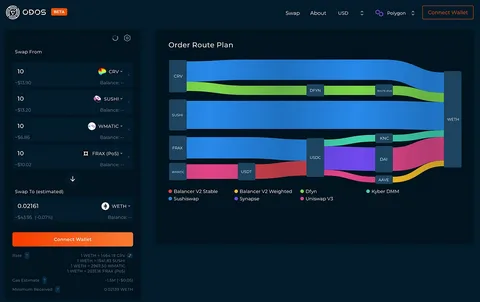
The DeFi aggregator landscape has experienced significant upheaval in 2026, and Odos shutdown represents one of the most notable exits this year. On July 23, 2026, the company announced that its operating company behind Odos is winding down all operations, marking the end of an era for the decentralized exchange aggregation platform that once served millions of users across multiple blockchain networks. This development has sent ripples through the DeFi community, prompting users to take immediate action to protect their assets before the July 30 deadline. Understanding the timeline, implications, and necessary steps is crucial for anyone who has used this cryptocurrency swap aggregator or held assets within its ecosystem.
The Odos Shutdown Timeline
The Odos closure follows a carefully structured three-stage shutdown schedule that gives users a brief window to secure their assets and access important wallet information. The company moved swiftly in its announcement, already implementing restrictions on July 23, 2026, just hours after the news broke through official channels.
The Three-Stage Shutdown Process
On July 23, 2026, the operating company behind Odos immediately disabled several critical features to prevent new users from entering the DeFi protocol. The company halted new account registrations, preventing fresh participants from creating accounts and engaging with the platform. Simultaneously, Odos disabled new wallet creation through its social and email login features, ensuring that users cannot establish new custodial relationships with the platform. Additionally, new limit orders were disabled, preventing users from setting automated trading instructions for future execution. However, existing users retained the ability to perform token swaps and close any open positions until July 27.
Between July 27 and July 30, 2026, the Odos application enters a critical read-only mode, transforming from an active trading platform into a passive information portal. During this brief window, users can view their transaction history and account balances, verify their holdings, and obtain necessary information to facilitate transfers to alternative platforms or self-custody solutions. This read-only period represents a crucial grace period for users to gather the data they need before complete service termination.
After July 30, 2026, the company will provide no further development, support, or maintenance of any kind. All Odos services cease permanently, including the application interface, API access, customer support channels, and any other infrastructure operated by the company. The DeFi aggregator transitions from a fully defunct service to an entirely inaccessible platform from the company’s operational perspective.
What Happens to User Assets and Wallets
A critical distinction defines the Odos shutdown experience: Odos functions as a non-custodial platform, meaning the company never held user funds directly. This fundamental architectural feature provides significant protection for cryptocurrency holders using the service, but creates nuanced requirements depending on how users initially accessed the platform.
Non-Custodial Design Protects Most Users
The Odos non-custodial structure means that user assets remain on-chain and never touch company-controlled addresses. For users who connected external self-custody wallets like MetaMask, Ledger, or other Web3 wallets, the shutdown presents minimal concern. These users’ assets remain entirely under their control without interruption. The DeFi aggregator functioned as a routing service, searching across multiple liquidity sources and decentralized exchanges to find optimal swap prices, then routing transactions directly to third-party protocols. Because the company never held the tokens in escrow, these users face no asset risk whatsoever.
Critical Actions for Social Login Wallet Users
However, Odos users who created wallets through social or email login face a significantly different situation. These individuals created custodial relationships with Odos, allowing the company to manage wallet access through authentication systems. The Odos team strongly advises these users to take one of two actions before July 30: transfer assets to another wallet controlled through self-custody, or export their private keys before the platform disappears. After the shutdown, access instructions will technically remain available on an official support page, but having completed this process beforehand prevents any potential complications. Users should handle this process with extreme care, as anyone who obtains a private key or seed phrase gains complete control over wallet assets.
The Critical Deadline and What Users Must Do
The Odos shutdown deadline creates urgent pressure for affected users to act quickly, though the company has provided clear guidance on the necessary steps. Understanding these requirements prevents the loss of access to funds and protects against common pitfalls during platform transitions.
Immediate Actions Required
Users should prioritize transferring their assets immediately rather than waiting until the final days before the July 30 cutoff. Network congestion during peak migration periods could create delays, and any technical issues should be addressed with ample time remaining. The Odos DAO and ODOS token operate independently of the company, so users holding the native ODOS token need not worry about token destruction or forced conversion—only the company operations cease, not the underlying blockchain-based protocol.
Avoiding Shutdown-Related Scams
The Odos team has issued explicit warnings about fraudulent actors attempting to exploit the closure. The company will not launch token migrations, claim pages, new products, or airdrops during the shutdown process. Any messages offering these services represent scams. Users should never share seed phrases with anyone under any circumstances, regardless of promises about token migration or special recovery programs. Suspicious links claiming to support Odos migration or relaunch should be immediately ignored. The Odos DAO controls official announcements, and only verified channels through the DAO governance structure should be trusted for authoritative information.
Historical Context: Years of Growth and Market Presence
Understanding the Odos shutdown requires appreciating the platform’s significant role in the DeFi ecosystem over several years. Semiotic Labs originally developed Odos as a sophisticated smart-order-routing system designed to optimize cryptocurrency swaps across fragmented liquidity sources.
Impressive Operational Metrics Before Closure
Odos accumulated substantial transaction volume and user adoption during its operational lifetime. By May 2024, the DeFi aggregator reported over $25 billion in cumulative volume and had served 1.9 million wallets. A later community report from the third quarter of 2025 documented more than 147,000 monthly active wallets, over 100 API partners, support for 16 supported chains, and access to more than 1,150 liquidity sources. These figures demonstrate the platform’s extensive integration across the DeFi ecosystem and its role as significant infrastructure for decentralized exchange aggregation.
DefiLlama data tracked Odos at approximately $102.5 billion in cumulative aggregator volume and $8.6 million in cumulative protocol revenue at the time of shutdown. Its 30-day aggregator volume stood near $1.58 billion, indicating substantial ongoing activity even in recent months. However, these impressive historical metrics do not explain the company’s decision to shut down operations, as no insolvency, security breach, regulatory order, or other specific precipitating event has been publicly disclosed.
The Broader 2026 Crypto Industry Exodus
The Odos shutdown represents part of a larger pattern of cryptocurrency business closures in 2026. DeFi application Legend ceased operations after failing to achieve sustainable scale. Satori Finance ended exchange operations when revenue could no longer support business operations. Yield Guild Games closed its publishing unit and conducted job cuts. Industry observers have documented 17 major crypto shutdowns during 2026 alone, suggesting challenging operating conditions across the sector. The Odos exit joins BitMEX, which announced its closure effective September 23, 2026, and Zapper Fi, which shut down after nearly seven years of operation.
How the Odos Token and DAO Continue Independently
A crucial aspect of the Odos shutdown that many users misunderstand involves the distinction between the operating company, the ODOS token, and the Odos DAO governance structure. The company’s winding down does not eliminate the blockchain assets or governance mechanisms that exist independently on-chain.
The ODOS Token Remains On-Chain
The ODOS token exists as an independent blockchain asset with its own on-chain mechanics separate from the company operations. The company does not custody or control the ODOS token, nor does it engage in market-making activities for the token. The token shutdown rumors are entirely unfounded—the token continues to function according to its smart contract logic regardless of company operations ceasing. Cryptocurrency holders who possess ODOS tokens in self-custody wallets experience no disruption whatsoever.
The DAO Operates Separately
The Odos DAO functions as an independent governance organization separate from the operating company, with decision-making authority residing with token holders who participate in voting mechanisms. The DAO plans and future direction remain undetermined at the time of shutdown, with the governance structure announcing its own timeline separately from the company closure. This separation means the protocol itself—the underlying code and smart contracts—may continue to function or evolve under DAO governance even after company operations end.
The Strategic Implications for DeFi Users and the Ecosystem
The Odos shutdown carries significant implications for how DeFi users approach their selection and reliance on specific platforms and services. Understanding these lessons helps users make more informed decisions about engagement with decentralized finance infrastructure.
The Importance of Self-Custody and Asset Management
The Odos incident reinforces a fundamental principle in cryptocurrency: user assets remain safe only when users maintain direct control through self-custody practices. Even though Odos functioned as a non-custodial platform, users who created social login wallets find themselves dependent on company infrastructure for access. This demonstrates why security-conscious crypto participants should prioritize self-custody wallets, hardware wallets, and understanding their own private keys and seed phrases. The shutdown serves as a stark reminder that company-operated services, regardless of their current reliability, may discontinue, and users should design their asset management strategy accordingly.
Market Consolidation and Business Sustainability
The 2026 crypto closures, including Odos shutdown, suggest that many DeFi projects and cryptocurrency companies face sustainability challenges. Services with weak adoption, declining liquidity, or unsustainable business models increasingly exit the market. This consolidation creates opportunities for remaining platforms with stronger business fundamentals and more effective value propositions. Users should evaluate platform reliability, developer activity, user base growth, and protocol governance when selecting DeFi services for regular use.
Lessons for the Broader Cryptocurrency Community
The Odos shutdown provides valuable lessons that extend beyond immediate affected users to shape understanding of DeFi infrastructure sustainability and best practices. These lessons apply to anyone participating in decentralized finance, cryptocurrency trading, or blockchain-based protocols.
The DeFi ecosystem continues to mature, but survivorship remains uncertain for many platforms. Users should maintain awareness of protocol developments, monitor team announcements, and understand the technology stack underlying services they rely upon. Smart contract audits, developer team quality, and governance structures all influence long-term sustainability. The Odos situation demonstrates that even services with impressive transaction volumes, user bases, and strategic partnerships may discontinue operations without explicit warning of technical or regulatory issues.
For future DeFi users, the key takeaway involves maintaining financial sovereignty through self-custody, diversifying across multiple platforms and services, and regularly reviewing asset locations and access mechanisms. Understanding the distinction between custodial services that hold assets and non-custodial platforms that merely facilitate transactions provides crucial context for evaluating risk. The Odos closure illustrates that non-custodial platforms offer better protection than their custodial counterparts, but even these services may cease operations at any time.
Conclusion
The Odos shutdown on July 30, 2026, marks the end of a significant chapter in DeFi aggregation history, though the blockchain technology and governance structures underlying the protocol persist. The company’s decision to wind down operations, while disappointing to users and the cryptocurrency community, affects individuals differently depending on their wallet creation method and asset custody approach. Users who connected external self-custody wallets face no disruption, while those who used social or email login must act before July 30 to export private keys or transfer assets.
The three-stage shutdown timeline—restricting features on July 23, entering read-only mode on July 27, and permanently ceasing operations on July 30—provides a structured path for users to manage this transition. The distinction between the company operations, the ODOS token, and the Odos DAO ensures that the cryptocurrency asset and governance organization continue independently on-chain. Users should view this closure as validation of the importance of self-custody, private key management, and diversification across multiple DeFi services. By understanding the specific requirements for their situation and taking timely action, users can navigate this transition while protecting their digital assets and learning critical lessons for long-term cryptocurrency engagement.
