


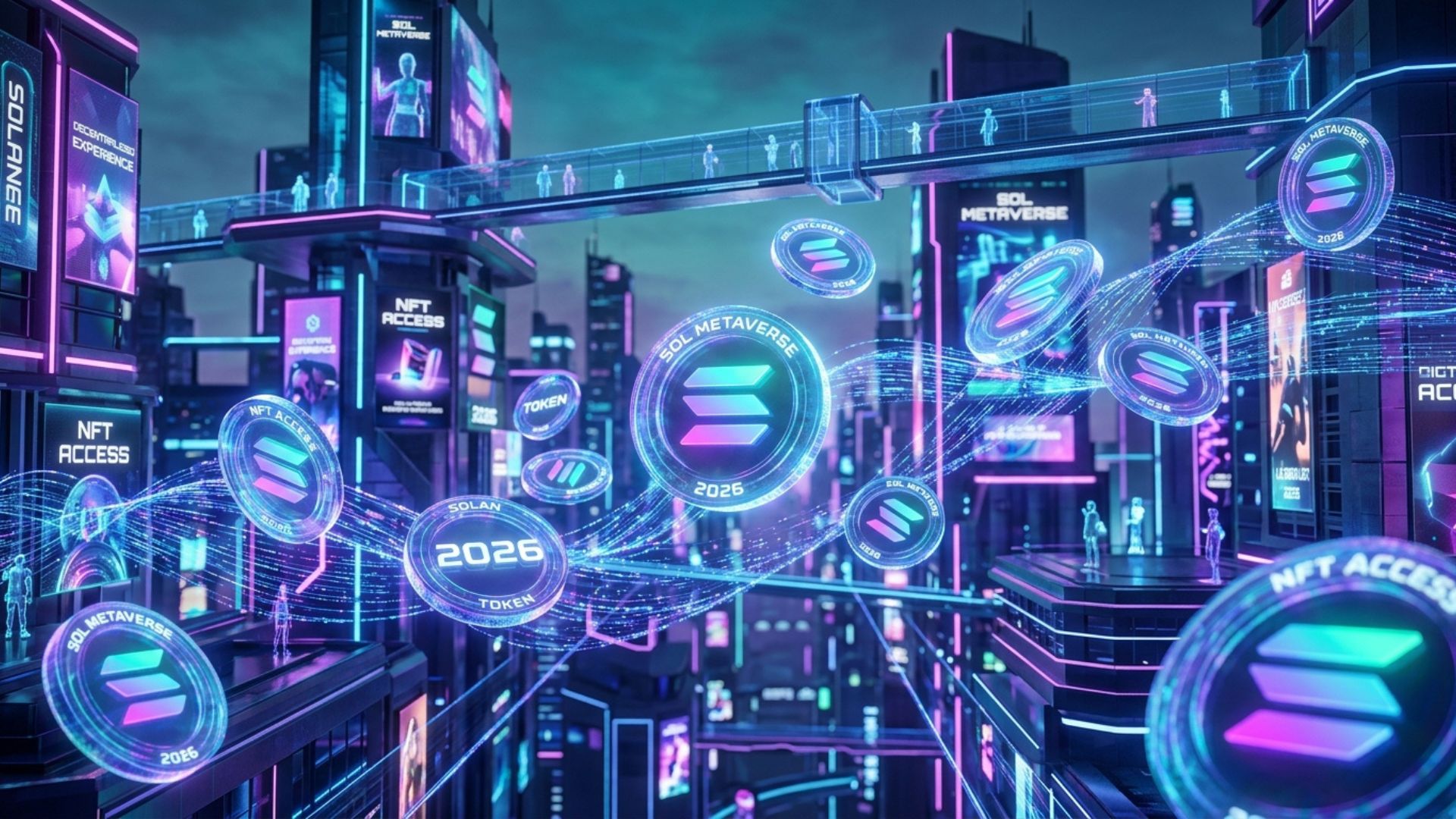
The Solana blockchain ecosystem has emerged as a powerhouse for decentralized metaverse projects, offering faster transaction speeds and lower fees compared to competing platforms. As we navigate through 2026, the virtual world economy continues to attract millions of users worldwide, with Solana metaverse coins leading the charge in innovation and user adoption. Unlike traditional centralized platforms, these blockchain-based virtual worlds give users genuine ownership of digital assets and enable true peer-to-peer interactions within immersive digital environments.
The metaverse has evolved from a speculative concept into a tangible ecosystem where people work, play, socialize, and conduct business. Solana-based gaming tokens and virtual real estate coins have demonstrated remarkable resilience and growth potential, making them increasingly attractive to both seasoned cryptocurrency investors and newcomers exploring the Web3 space. This comprehensive guide explores the five most promising Solana metaverse projects that are reshaping how we think aboutSolana’s Role in the Metaverse
Solana distinguishes itself through its high-performance blockchain architecture, which processes thousands of transactions per second with finality, making it ideal for the demanding requirements of metaverse applications. The network’s low transaction costs and instant confirmation times create a frictionless environment for virtual world transactions, whether users are trading digital assets, purchasing virtual property, or participating in blockchain-based games.
What Makes Solana Metaverse Coins Different
Solana-based virtual world tokens differ fundamentally from traditional gaming currencies because they exist on an immutable, decentralized ledger. Users maintain complete custody of their digital assets, with no central authority able to freeze accounts, censor transactions, or alter ownership records. This decentralization aspect resonates deeply with communities valuing financial sovereignty and transparent governance.
Additionally, Solana metaverse coins enable authentic play-to-earn mechanics where users genuinely benefit from their time and skill investment. Rather than grinding for in-game rewards that remain forever trapped within proprietary game servers, participants earn blockchain tokens with real-world value that can be traded, transferred, or used across different ecosystems. The interoperability potential of Solana-based gaming economies creates network effects that strengthen entire communities while rewarding early adopters and active contributors.
Magic Eden Wizard (WIZARD)
Magic Eden Wizard represents one of the most exciting Solana metaverse tokens, emerging from the largest NFT marketplace on the Solana network. WIZARD serves as the governance and utility token for the Magic Eden ecosystem, granting holders voting rights on platform decisions while providing exclusive access to premium features and drops. The token’s integration with Solana-based digital assets creates a compelling value proposition for collectors and traders navigating the virtual goods marketplace.
The project has built substantial community support through transparent governance and consistent feature rollouts that enhance user experience. Solana gaming tokens like WIZARD demonstrate how infrastructure providers can transition into meaningful metaverse platforms by leveraging existing user bases and technical expertise. The token’s utility extends beyond simple voting, encompassing virtual world economy participation through exclusive collections, early access to launches, and membership benefits that reward long-term holders.
Star Atlas (ATLAS)
Star Atlas stands out as an ambitious Solana metaverse project featuring a complex sci-fi universe where players can own, manage, and monetize virtual assets. The ATLAS token functions as the primary currency within the virtual world economy, enabling transactions for digital real estate, spaceships, and other valuable in-game items. The project represents a serious attempt to create a fully functional blockchain-based gaming ecosystem with intricate gameplay mechanics and meaningful player progression.
The Star Atlas team has invested heavily in world-building, with professional-grade graphics and storytelling that appeal to mainstream gamers alongside cryptocurrency enthusiasts. Solana metaverse coins like ATLAS prove that blockchain-based virtual worlds can deliver entertainment value comparable to traditional gaming while offering the financial incentives that decentralized systems provide. The project’s ambitious roadmap includes extensive expansion plans, suggesting that patient investors may witness significant ecosystem growth throughout 2026 and beyond.
Serum (SRM)
Serum represents the infrastructure layer underlying many Solana metaverse applications, though its importance often goes unnoticed by casual observers. The Serum protocol provides essential decentralized exchange functionality and liquidty mechanisms that enable seamless trading of Solana gaming tokens and virtual world assets. Without robust financial infrastructure, metaverse economies cannot function effectively, making SRM’s role crucial to ecosystem health.
The token’s utility focuses on reducing trading fees and providing governance participation within the Serum ecosystem. Solana-based metaverse projects rely on protocols like Serum to ensure users can easily convert their virtual goods into liquid cryptocurrencies or exit positions when desired. This infrastructure play demonstrates that not every Solana metaverse coin needs direct gameplay integration to provide genuine value—sometimes the most important contributions happen behind the scenes, enabling the entire ecosystem to function smoothly.
Raydium (RAY)
Raydium operates as an automated market maker and liquidity provider on the Solana blockchain, serving as the backbone for many Solana metaverse token launches and trading pairs. The RAY token provides governance capabilities and liquidity mining rewards that attract capital to emerging projects, making Raydium essential infrastructure for blockchain-based gaming and virtual world platforms. Many promising Solana metaverse coins conduct their initial launches through Raydium’s AcceleRaytor platform, which vets and supports new projects.
The platform’s efficiency and low-cost operation exemplify how Solana ecosystem benefits participants through technological superiority. Raydium enables creators of metaverse applications to bootstrap liquidity without prohibitive costs, democratizing access to the networks necessary for thriving virtual economies. For investors interested in Solana gaming tokens, understanding Raydium’s role clarifies why the platform continues attracting innovation and why RAY maintains its position as a cornerstone Solana metaverse asset.
Marinade Finance (mSOL)
Marinade Finance introduced liquid staking to Solana, enabling users to earn staking rewards while maintaining liquidity through mSOL tokens. While not exclusively a metaverse coin, Marinade’s protocol gains increasing relevance as Solana metaverse projects adopt sustainable economic models incorporating staking. The mSOL token represents democratized access to Solana network participation, allowing casual users to earn passive income from their holdings.
Virtual world economy designers increasingly appreciate how Solana staking mechanisms can be integrated into metaverse tokenomics, creating sustainable value accrual for stakeholders. Marinade demonstrates that sophisticated financial primitives built on Solana blockchain can serve broader ecosystem purposes beyond their initial design. For investors exploring Solana-based gaming and metaverse coins, understanding staking infrastructure reveals important insights about long-term token sustainability and community-aligned incentive structures.
Investment Considerations for Solana Metaverse Coins
Investing in Solana metaverse tokens requires understanding the unique risk profile of early-stage blockchain gaming and virtual world projects. Unlike established gaming companies with decades of operational history, most Solana-based metaverse platforms remain in relatively early development stages, with user adoption still ramping up significantly. The intersection of technical risk, market risk, and execution risk demands careful due diligence before allocating capital.
The regulatory environment surrounding blockchain gaming tokens and virtual asset ownership continues evolving, with potential regulatory changes representing a material risk factor. Nevertheless, the technological advantages of Solana blockchain for powering metaverse applications remain compelling, and patient investors who believe in the long-term viability of decentralized virtual worlds may find attractive opportunities. Successful navigation requires research into team credentials, development progress, community health, and tokenomics design—never solely relying on price momentum or social media hype.
The Future of Solana Metaverse Innovation
The trajectory of Solana metaverse projects suggests continued growth and innovation throughout 2026 and beyond. As mainstream audiences become increasingly comfortable with cryptocurrency concepts and virtual ownership, Solana gaming tokens should attract new participants from gaming communities previously unexposed to blockchain technology. The Solana ecosystem’s technological maturity provides a stable foundation for ambitious virtual world platforms that previously would have faced insurmountable technical obstacles.
Interoperability between different Solana-based metaverse applications represents an exciting frontier, enabling users to port avatars, items, and reputation across multiple virtual worlds. This vision of an interconnected Web3 metaverse built on Solana infrastructure could fundamentally reshape digital entertainment and social interaction. While significant challenges remain regarding user experience, mainstream adoption barriers, and killer use cases, the fundamental building blocks for thriving Solana metaverse economies exist today and continue maturing rapidly.
Evaluating Metaverse Coins Beyond Price Charts
Serious investors analyzing Solana metaverse coins should examine team experience, development velocity, community engagement, and adoption metrics rather than relying exclusively on price performance. Successful blockchain-based gaming projects demonstrate consistent progress toward announced milestones, transparent communication about challenges and setbacks, and genuine efforts to build sustainable communities rather than pursuing quick profits.
The distinction between Solana metaverse projects with genuine long-term potential and purely speculative ventures often becomes apparent through examining these fundamental factors. Token supply dynamics, fee distribution mechanisms, and governance participation rates reveal whether economic structures align incentives across stakeholders or create exploitative dynamics. Solana-based virtual world platforms designed with genuine community consideration tend to build more resilient ecosystems than those optimized purely for early investor returns.
Conclusion
The top 5 Solana-based metaverse coins represent various approaches to building virtual world economies and gaming platforms on blockchain infrastructure. From governance tokens providing platform control to infrastructure assets enabling seamless transactions, each project contributes to the broader Solana metaverse ecosystem in distinct ways. Magic Eden Wizard, Star Atlas, Serum, Raydium, and Marinade Finance demonstrate how Solana blockchain capabilities enable innovative applications previously impossible on centralized platforms.
As the metaverse concept matures from science fiction into functioning digital economies, Solana metaverse tokens continue attracting serious developers, investors, and users seeking genuine alternatives to centralized gaming platforms. The Solana ecosystem’s technological advantages—fast transactions, low costs, and developer-friendly tools—position it favorably for mainstream adoption.
Whether you’re evaluating Solana gaming tokens for investment purposes or exploring blockchain-based virtual worlds as a user, understanding these key projects provides valuable insight into how decentralized digital ownership is reshaping entertainment, community, and commerce. The future of virtual worlds will likely be built on foundations like Solana, rewarding those who thoughtfully engage with emerging metaverse platforms during these early growth stages.
